






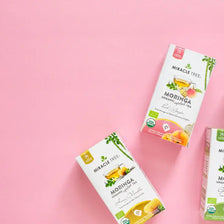


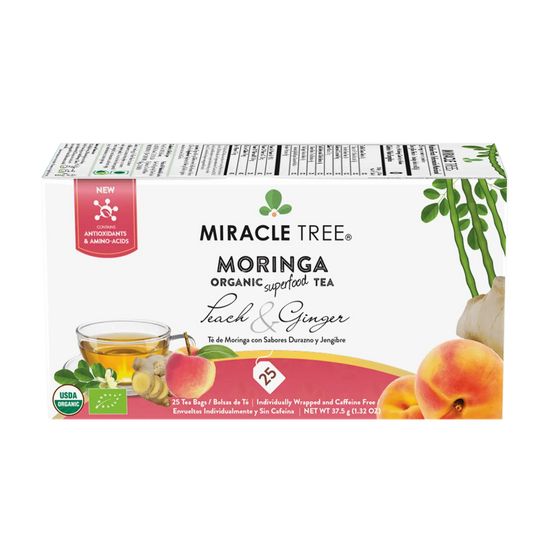
Save 10% on all Peach & Ginger Moringa Tea Purchases on orders $15+
DAILYOFFER
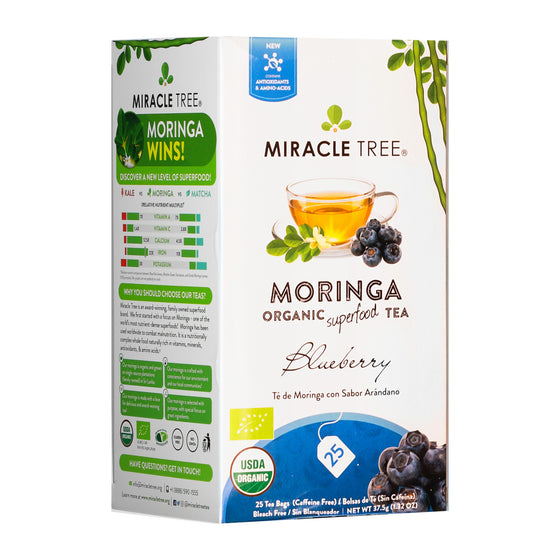 FLAVOR SPOTLIGHTBlueberryBright & fruity, never bitter★★★★★ 4.8 (177)From $8.99Shop now
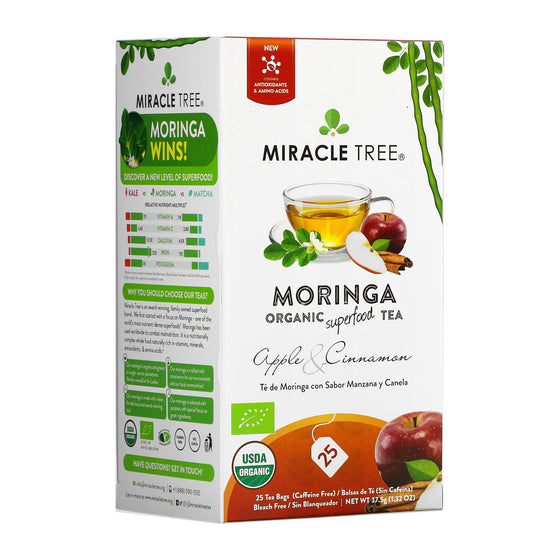 FLAVOR SPOTLIGHTApple & CinnamonWarm & cozy, never bitter★★★★★ 4.7 (145)From $8.99Shop now
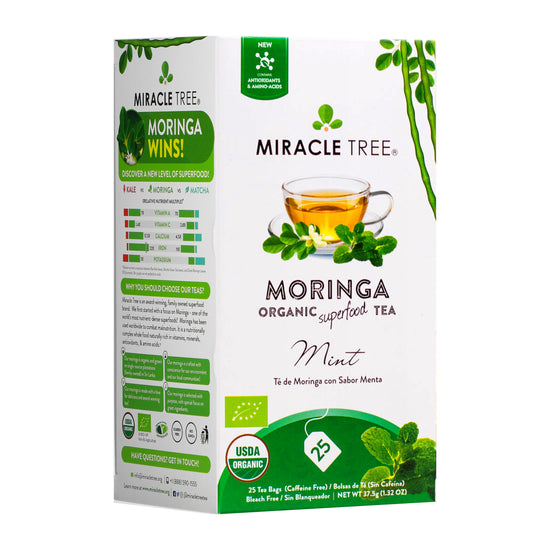
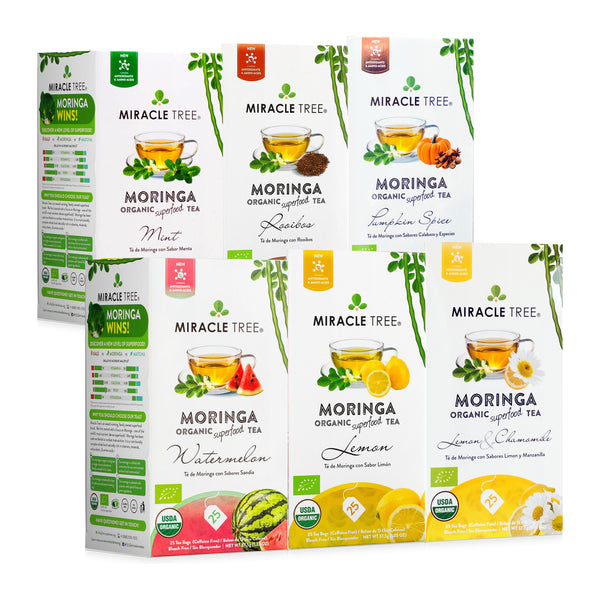
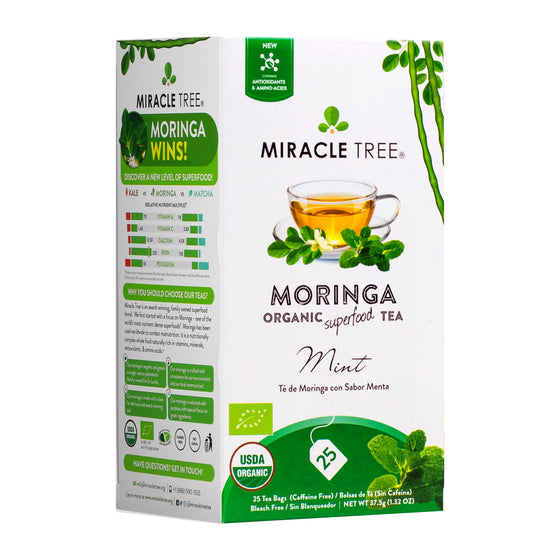 FLAVOR SPOTLIGHTMintSmooth & minty, never bitter★★★★★ 4.8 (151)From $6.29Shop now
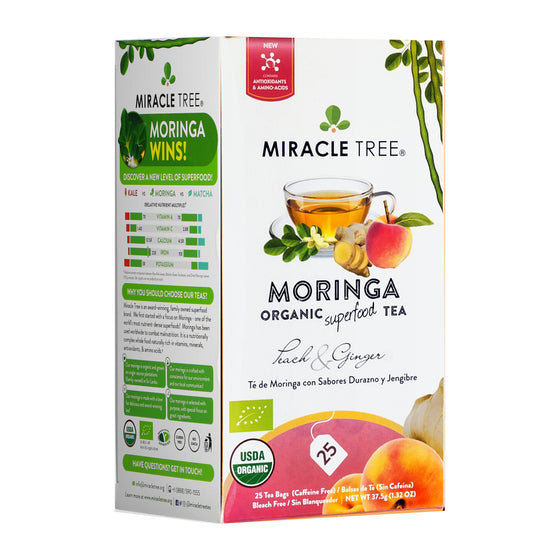 FLAVOR SPOTLIGHTPeach & GingerSweet & peachy, never bitter★★★★★ 4.9 (66)From $8.99Shop now
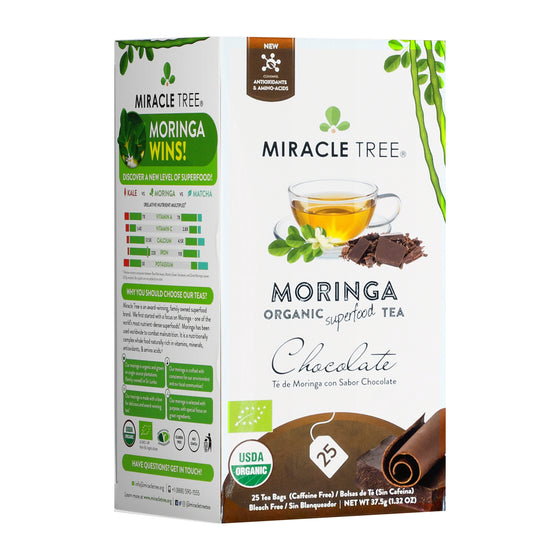 FLAVOR SPOTLIGHTChocolateSoft & chocolaty, never bitter★★★★★ 4.7 (211)From $8.99Shop now
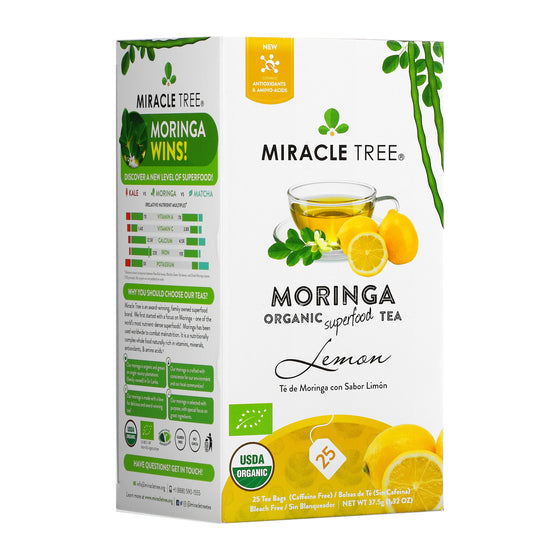 FLAVOR SPOTLIGHTLemonMellow & lemony, never bitter★★★★★ 4.8 (130)From $8.99Shop now
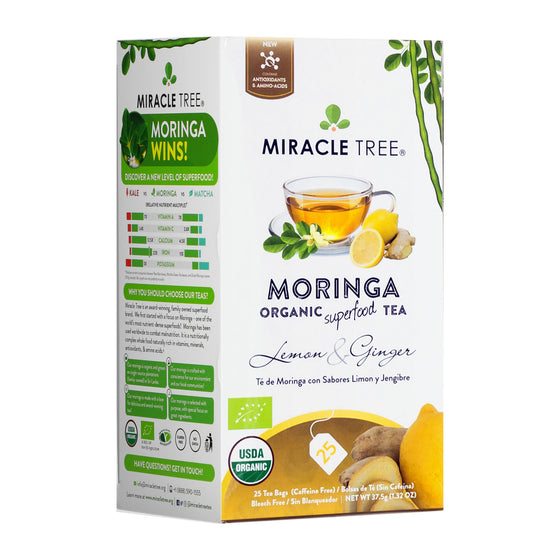 FLAVOR SPOTLIGHTLemon & GingerBright & gingery, never bitter★★★★★ 4.9 (140)From $8.99Shop now
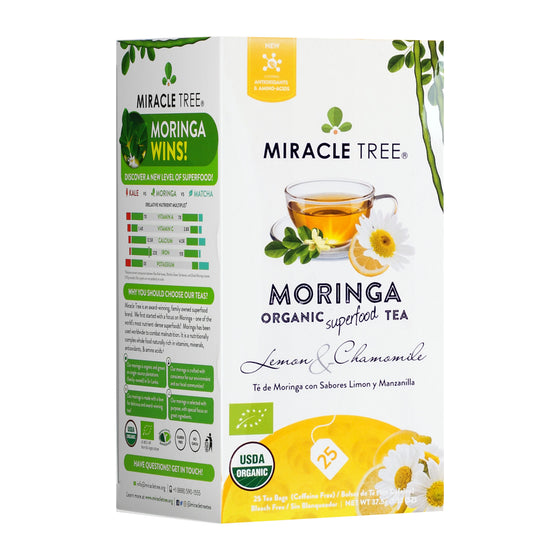 FLAVOR SPOTLIGHTLemon & ChamomileSoft & floral, never bitter★★★★★ 4.9 (87)From $8.99Shop now
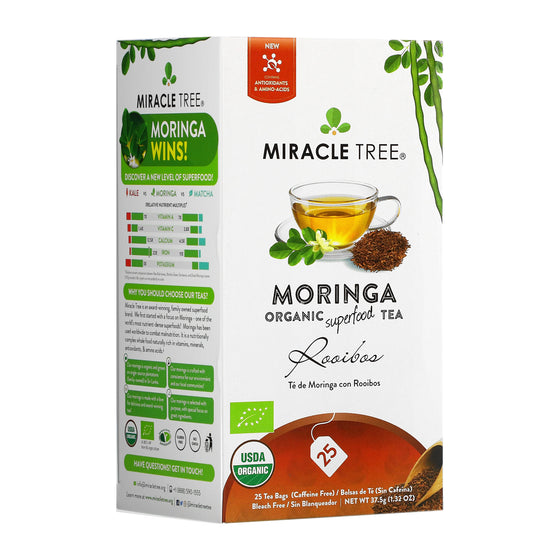 FLAVOR SPOTLIGHTRooibosSmooth & earthy, never bitter★★★★☆ 4.4 (42)From $7.69Shop now
Best sellers
 FLAVOR SPOTLIGHTBlueberryBright & fruity, never bitter★★★★★ 4.8 (177)From $8.99Shop now
FLAVOR SPOTLIGHTApple & CinnamonWarm & cozy, never bitter★★★★★ 4.7 (145)From $8.99Shop now
FLAVOR SPOTLIGHTMintSmooth & minty, never bitter★★★★★ 4.8 (151)From $6.29Shop now
FLAVOR SPOTLIGHTPeach & GingerSweet & peachy, never bitter★★★★★ 4.9 (66)From $8.99Shop now
FLAVOR SPOTLIGHTChocolateSoft & chocolaty, never bitter★★★★★ 4.7 (211)From $8.99Shop now
FLAVOR SPOTLIGHTLemonMellow & lemony, never bitter★★★★★ 4.8 (130)From $8.99Shop now
FLAVOR SPOTLIGHTLemon & GingerBright & gingery, never bitter★★★★★ 4.9 (140)From $8.99Shop now
FLAVOR SPOTLIGHTLemon & ChamomileSoft & floral, never bitter★★★★★ 4.9 (87)From $8.99Shop now
FLAVOR SPOTLIGHTRooibosSmooth & earthy, never bitter★★★★☆ 4.4 (42)From $7.69Shop now
Our customers are our #1 priority - get in touch for additional support.

Miracle Tree's Blog
· 4 min read
At Miracle Tree, we're passionate about the power of Moringa oleifera — not just because it's our namesake, but because it's one of the most nutrient-dense plants available. While moringa is best known for its nutritional profile, fewer people know much about how it behaves in the digestive system.

Here's what the leaf actually contains that's relevant to digestion, what the research supports, and where the honest limits are.
Known as the "miracle tree," moringa is native to India and parts of Africa and has been used in Ayurvedic tradition for centuries. Modern research has looked closely at its antioxidant compounds and its nutrient composition (Leone et al., 2015).
We use only organic moringa leaves in our herbal teas and superfood powders.
Of everything moringa contains, dietary fibre is the piece with the clearest and least controversial relevance to digestion.
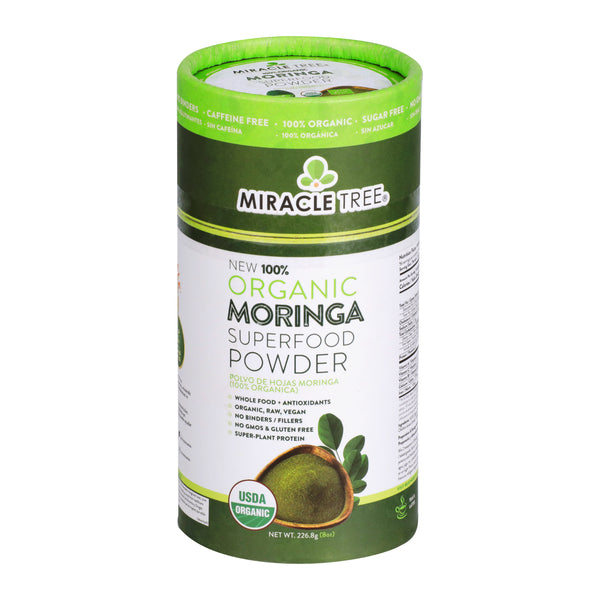
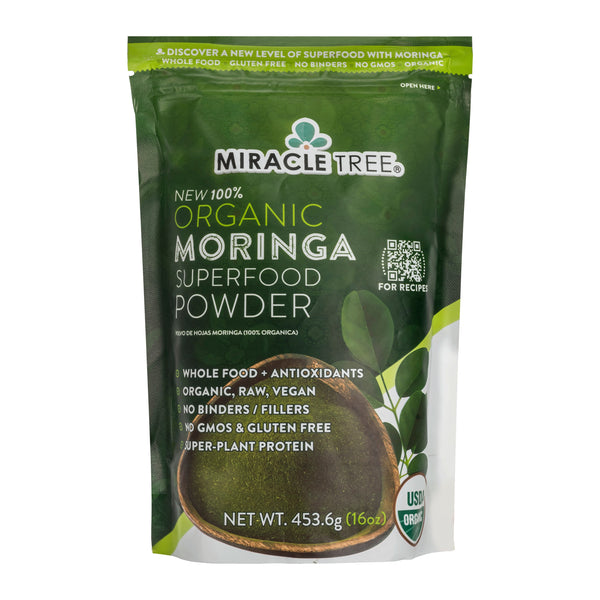
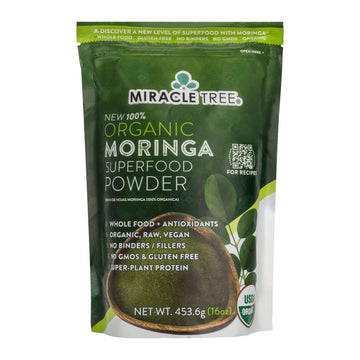
Moringa leaves contain both insoluble and soluble fibre, which supports regular bowel movements and feeds beneficial gut bacteria. A teaspoon of Miracle Tree Organic Moringa Powder is a straightforward way to add some.
Dried moringa leaf is a source of dietary fibre, and fibre is part of a diet that supports normal digestion.
Worth being clear that tea is considerably more dilute than powder. If fibre is what you're after, the powder is the format that delivers it. Related: How to Add More Fiber to Your Diet.
The fibre in moringa is food for the bacteria already living in your gut — that's what "prebiotic" means. A more varied fibre intake is broadly associated with a more varied microbiome, and moringa is one more plant to add to the roster.
That is the honest version. You'll find pages claiming moringa kills specific pathogens; those generally trace back to laboratory work on bacterial cultures, which tells you very little about what happens in a person drinking tea.
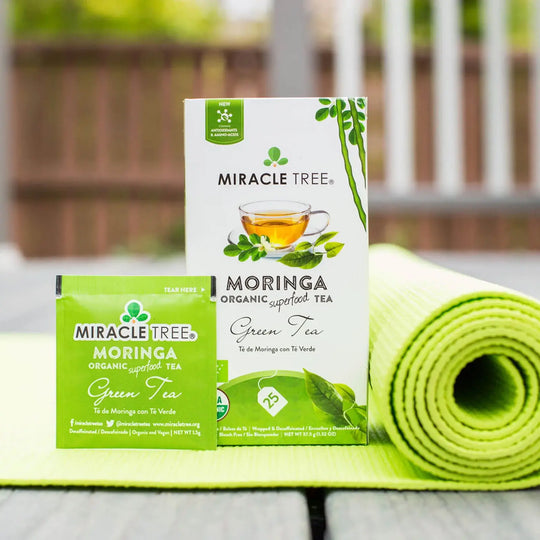
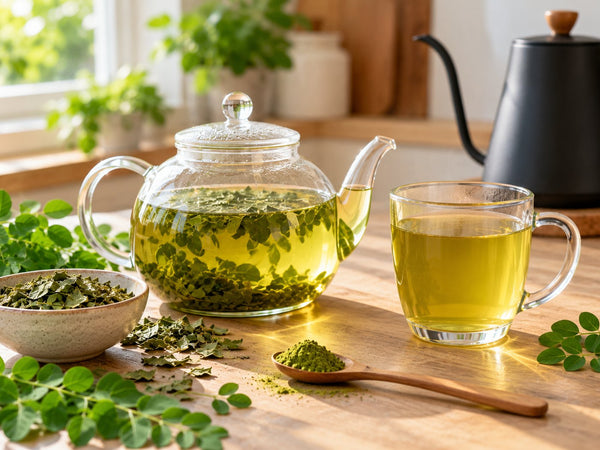
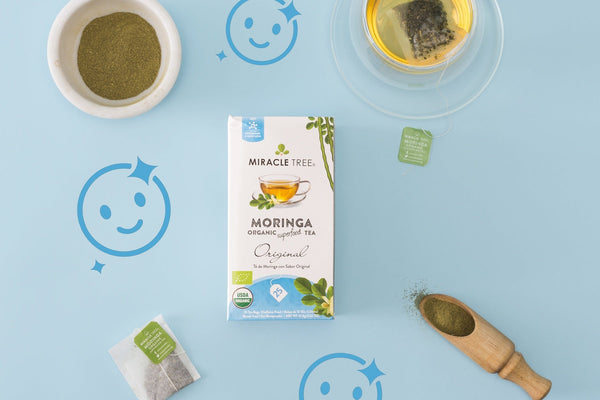
A warm cup of our Original Moringa Tea is a pleasant way to start the day, and it's caffeine-free.
Moringa contains isothiocyanates and quercetin, both of which are active areas of nutrition research (Gopalakrishnan et al., 2016). What they do in the human digestive tract is not settled, and we're not going to get ahead of it.
If you have an ongoing digestive condition, that's a conversation for your doctor rather than something to manage with tea. Related: What Causes Bloating? 5 Common Triggers Explained.
Moringa delivers vitamin C, vitamin A and zinc, among others. Vitamin A contributes to the maintenance of normal mucous membranes, which includes the gut lining; zinc contributes to normal macronutrient metabolism. These are nutrient functions rather than effects of moringa specifically, but they're a fair part of why a nutrient-dense leaf is a reasonable thing to include (Stohs & Hartman, 2015).
If you want ginger alongside your moringa, our Ginger Moringa Tea is caffeine-free, and ginger is a long-standing after-dinner favorite. Our Lemon & Ginger is the same idea with more brightness.
The best part? It's easy to make moringa a daily habit:
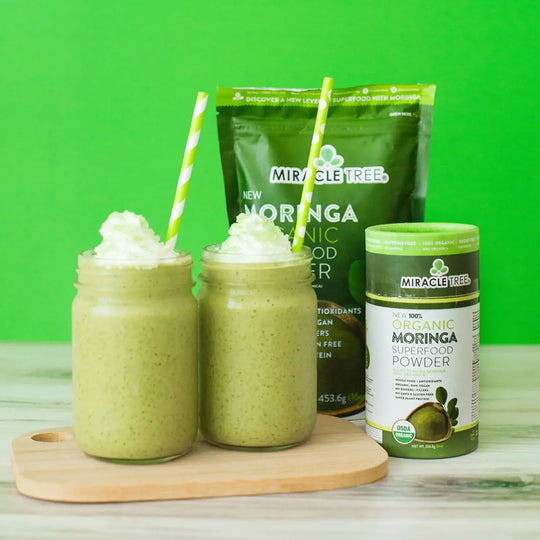
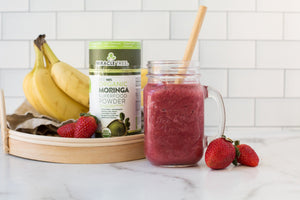
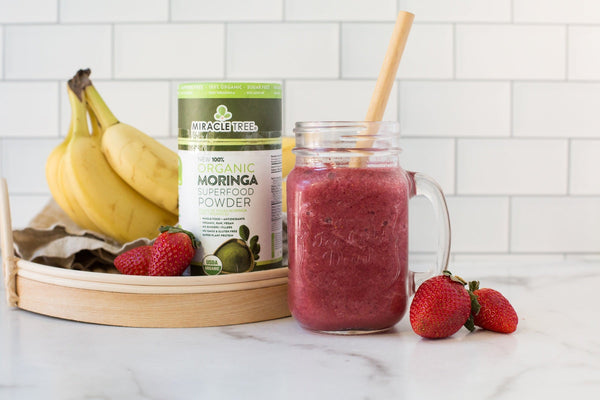
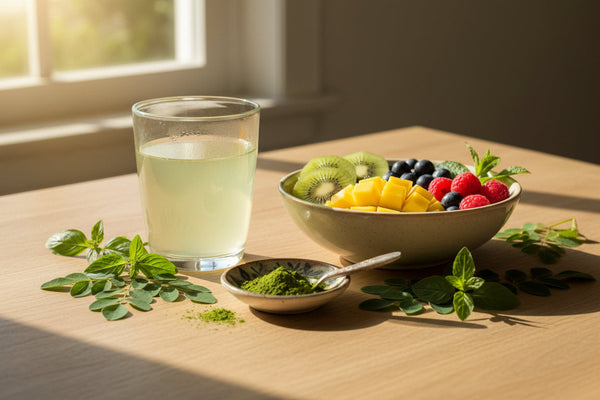
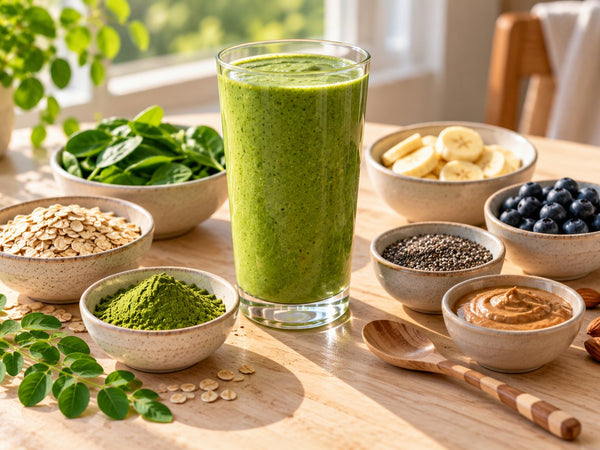
🥪 Add Organic Moringa Powder to smoothies, oatmeal, or soups — this is the format with real fibre content.
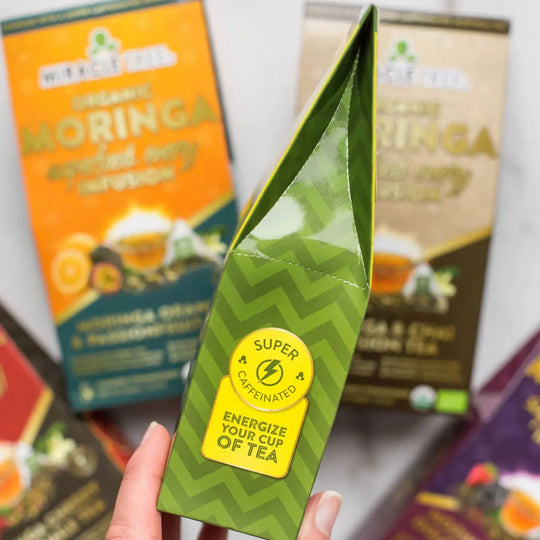
🍵 Sip herbal moringa teas through the day. 18 of our 20 herbal flavours are caffeine-free, so evening is fine.
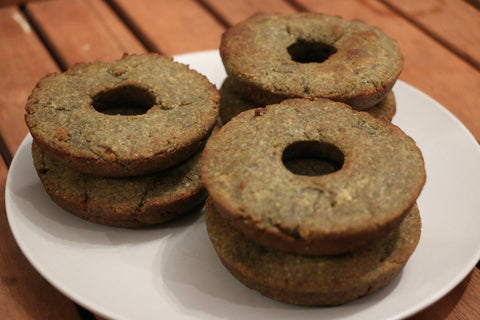
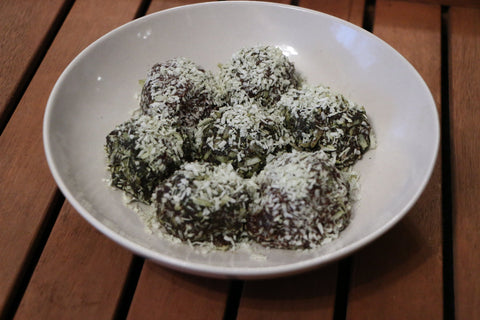
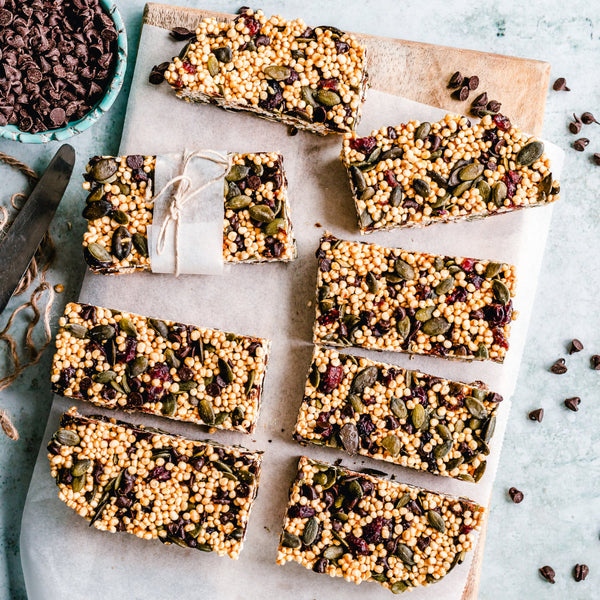
🧁 Bake it into recipes like moringa muffins or oat bites.
Need inspiration? Browse our collection of moringa recipes.
Moringa is a nutrient-dense leaf with a useful fibre content. That is a genuinely good reason to include it, and it doesn't need embellishing. If your digestion is a persistent problem, see a doctor — and if it isn't, a daily cup of something you enjoy is a perfectly sensible habit.
Explore our herbal moringa teas and superfood powders.
These statements have not been evaluated by the Food and Drug Administration. This product is not intended to diagnose, treat, cure, or prevent any disease.
4.8 out of 5 · 375 reviews · Organic Moringa Tea - Original - Caffeine-Free Herbal TeaRead all reviews
A great value for the price. I have tried several moringa teas and this one by far is the best. Very natural and true Moringa.
This is one of the best teas i have ever tasted! Its the only tea i can drink without a sweetener. The flavor is light ,clean and fresh. Definitely would buy again.
My best friend gave me a sample of this tea to try and it was amazing! Its delicious! I ordered a package right away and I will continue to keep on hand and drink daily.