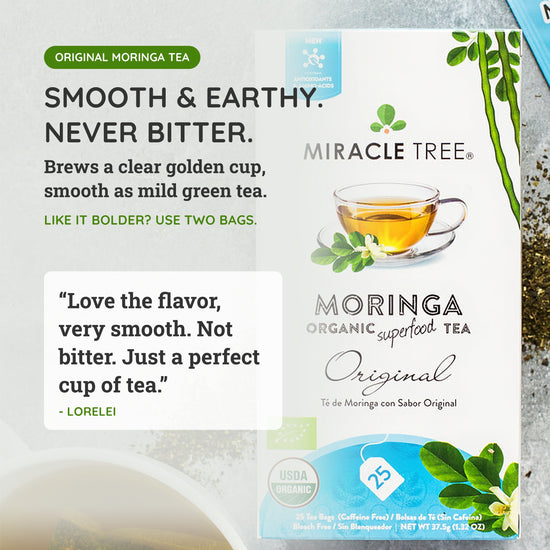
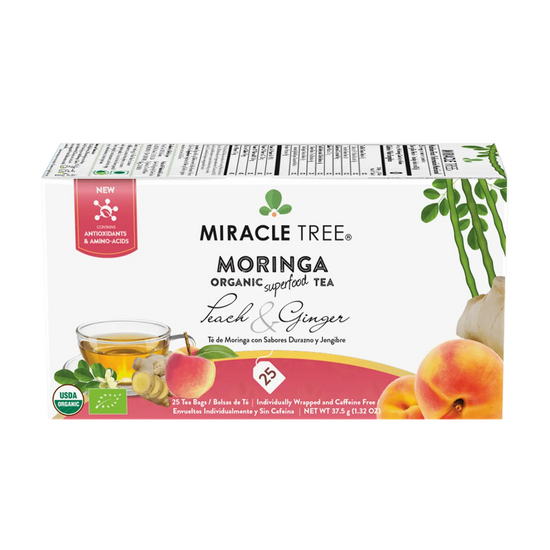
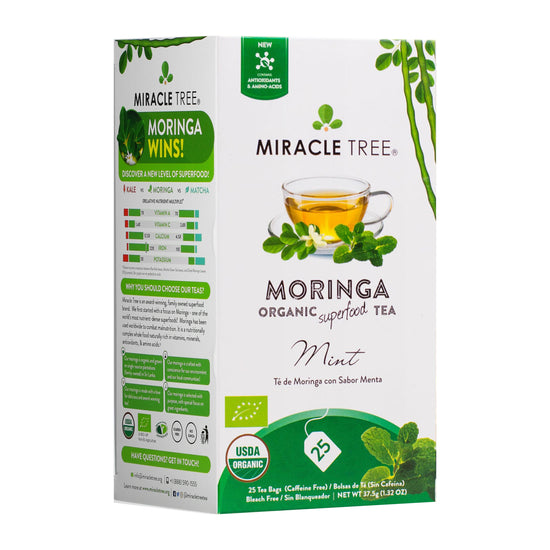
ليست كل أنواع الشاي «الطبيعي» متساوية. في سوق مليئة بادعاءات العافية والتسويق «الأخضر» المضلِّل، كيف تعرف ما الذي تحصل عليه فعلًا في كوبك؟
تكمن الإجابة في الاعتماد من جهة خارجية مستقلة—وتحديدًا شهادة USDA Organic. إنها الفرق بين الادعاءات التسويقية والمعايير الموثّقة، وبين الكلمات الرنانة مثل «طبيعي» والمساءلة الفعلية.
ما الذي تعنيه شهادة USDA Organic فعلًا
USDA Organic ليست مجرد ملصق—بل مجموعة صارمة من المعايير يجب على المزارعين والمنتجين استيفاؤها للحصول على الشهادة والحفاظ عليها. وإليك ما تتطلبه:
🚫 لا مبيدات حشرية أو مبيدات أعشاب صناعية
لا يُسمح للمزارع العضوية باستخدام المبيدات الحشرية أو مبيدات الأعشاب الصناعية. وبدلًا من ذلك، تعتمد على المكافحة الطبيعية للآفات وتناوب المحاصيل والتنوع البيولوجي لحماية النباتات. وهذا يعني أن شاي المورينجا الخاص بك خالٍ من البقايا الكيميائية التي تخلّفها الزراعة التقليدية.
🌱 لا أسمدة صناعية
تحظر الشهادة العضوية الأسمدة الصناعية. ويجب على المزارعين بناء صحة التربة بطريقة طبيعية من خلال السماد العضوي (الكمبوست) ومحاصيل التغطية والمادة العضوية. وهذا ينتج تربة أغنى وأكثر كثافة بالعناصر الغذائية تُنبت نباتات أكثر صحة.
🧬 لا كائنات معدّلة وراثيًا
جميع منتجات USDA Organic خالية من الكائنات المعدّلة وراثيًا بحكم التعريف. فالتعديل الوراثي محظور بموجب المعايير العضوية، مما يضمن حصولك على النباتات كما أرادتها الطبيعة.
🌍 متطلبات صحة التربة
تُلزم الشهادة العضوية المزارعين بالحفاظ على صحة التربة وتحسينها. وهذا يعني اتباع ممارسات تمنع التعرية وتبني المادة العضوية وتدعم الكائنات الدقيقة التي تجعل التربة خصبة.
✅ تدقيق سنوي من جهة خارجية
ولعل الأهم من ذلك أن شهادة USDA Organic تتطلب عمليات تفتيش سنوية تجريها جهات اعتماد مستقلة ومعتمدة. فلا يكفي أن يدّعي المزارعون أنهم عضويون—بل عليهم إثبات ذلك وتوثيقه والخضوع لتدقيق منتظم.
الفوائد الصحية لاختيار الشاي العضوي
عندما تختار شايًا حاصلًا على شهادة USDA Organic، فأنت تختار:
-
تعرّضًا أقل لبقايا المبيدات: تُظهر الدراسات أن المنتجات الزراعية العضوية تحتوي على بقايا مبيدات أقل بكثير من البدائل التقليدية.
-
مستويات أعلى من مضادات الأكسدة: تشير الأبحاث إلى أن المحاصيل العضوية قد تحتوي على مستويات أعلى من مضادات الأكسدة والعناصر الغذائية المفيدة.
-
لا مساعدات تصنيع صناعية: تمتد المعايير العضوية من المزرعة إلى مرحلة التصنيع، لضمان عدم تسلّل أي مضافات صناعية.
-
مورينجا أنظف وأنقى: ما تراه على الملصق هو ما تحصل عليه—أوراق مورينجا نقية، لا أكثر.
الأثر البيئي
اختيار المنتجات العضوية لا يتعلق بصحتك فحسب—بل بصحة كوكبنا أيضًا:
حماية التنوع البيولوجي في التربة: تدعم ممارسات الزراعة العضوية أنظمة بيئية متنوعة في التربة، من البكتيريا النافعة إلى ديدان الأرض. فالتربة السليمة تحتجز الكربون وترشّح المياه وتدعم صحة النباتات.
الحد من تلوث المياه: تتسرّب المبيدات والأسمدة الصناعية إلى المجاري المائية، فتلوّث مياه الشرب وتضر بالأنظمة البيئية المائية. والزراعة العضوية تقضي على مصدر التلوث هذا.
دعم الممارسات المستدامة: تشجّع الشهادة العضوية على تناوب المحاصيل وزراعة محاصيل التغطية وغيرها من الممارسات التي تبني خصوبة التربة على المدى الطويل بدلًا من استنزافها.
الحفاظ على الأنظمة البيئية: تقع مزارع المورينجا التي نتعامل معها في سريلانكا بالقرب من غابات مطيرة بكر. وتساعد ممارسات الزراعة العضوية على حماية هذه الأنظمة البيئية الحيوية والتنوع البيولوجي الذي تحتضنه.
رحلتنا العضوية
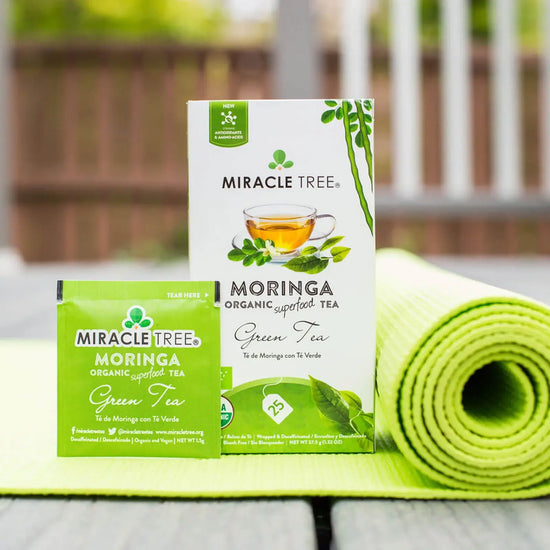
في Miracle Tree، شهادة USDA Organic ليست أمرًا ثانويًا—بل هي جزء أساسي من هويتنا. وإليك كيف نضمن أن يستوفي كل كوب أعلى المعايير العضوية:
مزارع عضوية معتمدة من مصدر واحد: نحصل على المورينجا من مزارع عضوية معتمدة في سريلانكا. وهي ليست منشآت صناعية—بل مزارع عائلية تتوارث أجيالها المعرفة بالزراعة المستدامة.
علاقات طويلة الأمد: بنينا شراكات دائمة مع مزارعينا، فندعمهم خلال عملية الحصول على الشهادة ونضمن حصولهم على مقابل عادل لالتزامهم بالممارسات العضوية.
التجفيف الشمسي: بعد الحصاد، تُجفَّف أوراق المورينجا بأشعة الشمس باستخدام طرق تقليدية. وهذا يحافظ على العناصر الغذائية مع تقليل بصمتنا الكربونية إلى أدنى حد—دون الحاجة إلى وقود أحفوري.
من المزرعة إلى الكوب في 90 يومًا: سلسلة التوريد القصيرة لدينا تعني أن المورينجا الخاصة بك تُحصد وتُصنَّع وتُسلَّم خلال 90 يومًا. طازجة ونقية وعضوية معتمدة في كل خطوة.
لماذا لا تكفي كلمة «طبيعي»
تستخدم علامات تجارية كثيرة للشاي كلمات مثل «طبيعي» أو «نقي» أو «نظيف» دون أي تحقق من جهة خارجية. هذه مصطلحات تسويقية، لا معايير. يستطيع أي أحد أن يدّعي أن منتجه طبيعي—لكن المنتجات التي تستوفي متطلبات صارمة وحدها يمكنها عرض ختم USDA Organic.
عندما ترى شعار USDA Organic على منتجات Miracle Tree، فأنت تعرف أن:
- مدققين مستقلين قد تحققوا من ادعاءاتنا
- مزارعينا يتبعون ممارسات عضوية صارمة
- عمليات التصنيع لدينا تستوفي المعايير العضوية
- نحن خاضعون للمساءلة أمام جهة خارجية، لا أمام أنفسنا فقط
الخلاصة
اختيار شاي حاصل على شهادة USDA Organic هو اختيار للشفافية والمساءلة والجودة الموثّقة. إنه تصويت بمحفظتك لصالح ممارسات زراعية تحمي صحتك والبيئة.
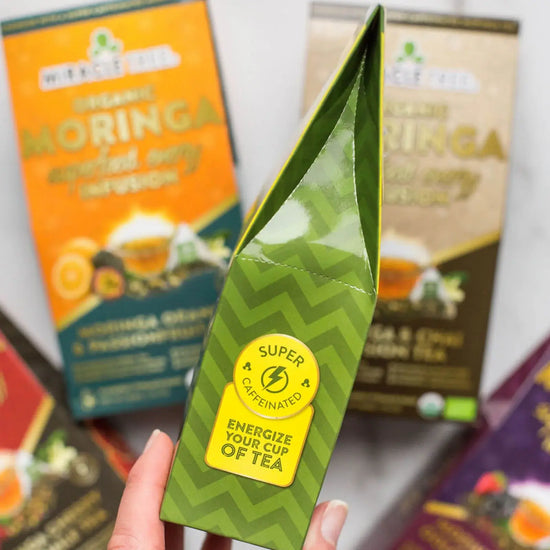
في Miracle Tree، نفخر باستيفاء هذه المعايير. فكل شاي ومسحوق مورينجا نبيعه حاصل على شهادة USDA Organic—لا لأن ذلك رائج، بل لأنه الصواب.
هل أنت مستعد لتجربة الفرق؟ تسوّق تشكيلتنا العضوية المعتمدة من USDA وتذوّق النقاء الذي تمنحه الزراعة العضوية الموثّقة.
هل لديك أسئلة حول شهادتنا العضوية؟ اعرف المزيد عن التزامنا بالاستدامة أو تواصل معنا—فنحن نحب الحديث عمّا يجعل المورينجا لدينا مميزة.