




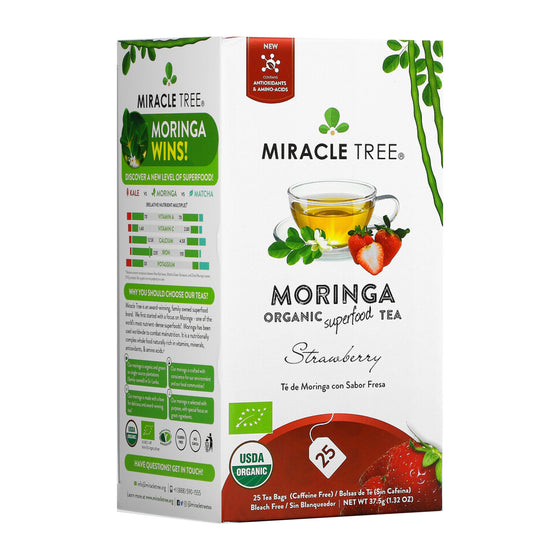
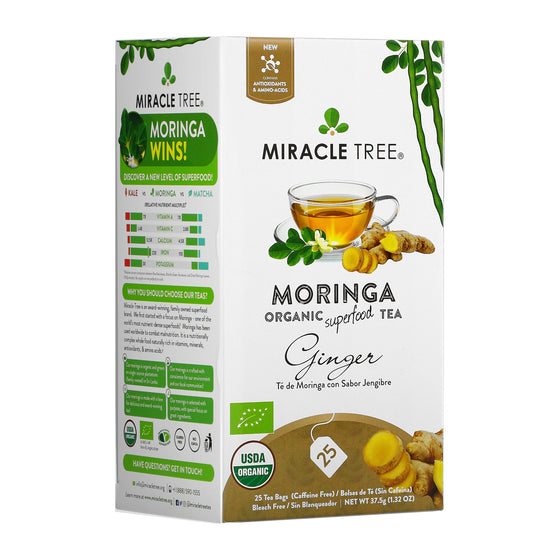
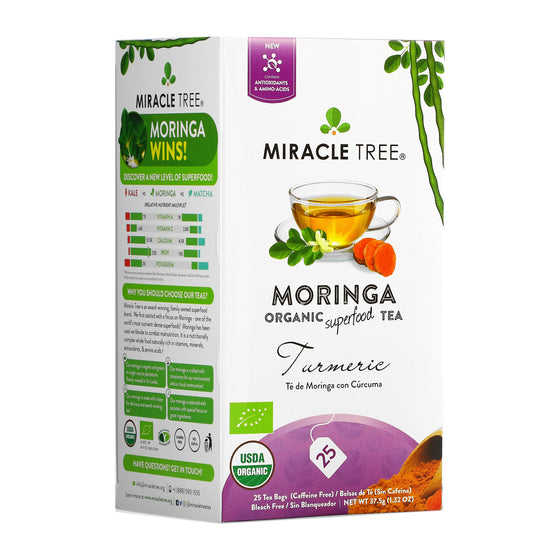
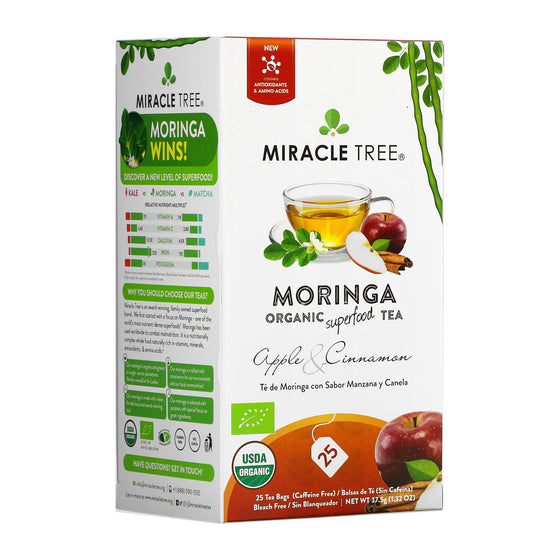

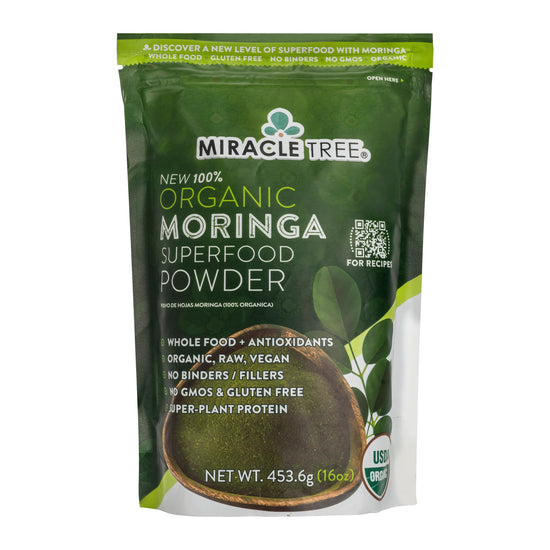
أضفه إلى العصائر واللاتيه والمخبوزات. السعر مخفّض بالفعل، بدون كود.


مدونة Miracle Tree
العافية في الشتاء مع المورينجا: التغذية بلا مبالغة
 بقلم Kunal Mirchandani
· مدة القراءة 5 دقيقة
Winter asks more of a diet than most of us give it. Daylight is short, fresh produce is expensive and out of season, we spend more time indoors and closer together, and the whole thing coincides with the point in the year when cooking properly feels like the most effort.
Moringa isn't a solution to that, and we won't pretend otherwise. What it is, usefully, is a nutrient-dense leaf that keeps in a jar for a year and disperses into anything hot — which makes it a practical answer to the specific problem of getting greens into February.
What Is Moringa?
Moringa oleifera is a fast-growing tree native to the foothills of the Himalayas and now grown across South Asia, Africa and Central America. Its leaves have been eaten as a vegetable for centuries — cooked into stews and dals, long before anyone called them a superfood. Dried and milled, they become a green powder that is dense in vitamins, minerals, antioxidants and amino acids.
Nutrition in Winter
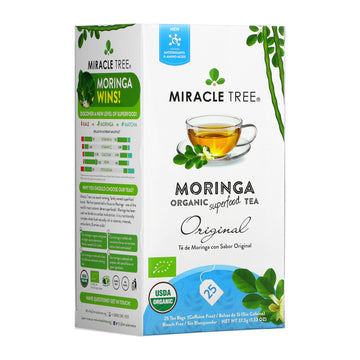
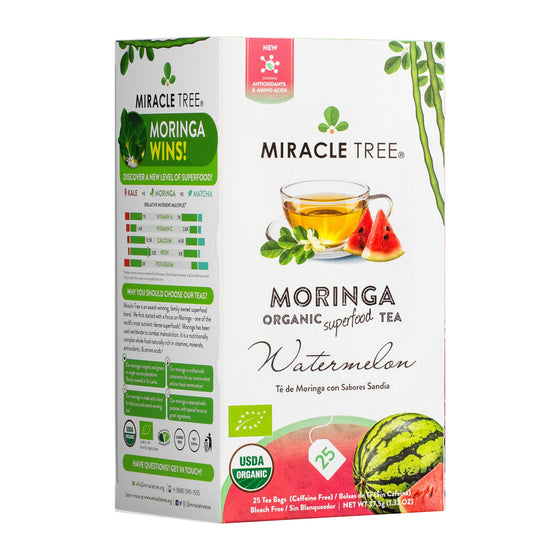
Here is the honest version, which is less dramatic than the usual one. No food strengthens an immune system that is already working normally, and none of them stop you catching anything; this page is about nutrition only. What a food can usefully do in winter is add nutrients to a diet that is short on fresh produce. Moringa leaf is simply a nutrient-dense food: per 100 g of the dried leaf, 27.1 g protein, 2,003 mg calcium, 28.2 mg iron and 1,324 mg potassium, and it also contains:
- Vitamin E, a fat-soluble antioxidant.
- Zinc, iron and magnesium — gram for gram, dried moringa leaf has about 10 times the iron of raw spinach (28.2 mg per 100 g), though a serving is only a few grams.
- Polyphenols including quercetin and chlorogenic acid, studied for their antioxidant activity.
The genuinely important winter nutrient, worth saying because it is not one moringa provides, is vitamin D. Above roughly 37° latitude, winter sunlight is too weak for the skin to make meaningful amounts of it, and it has a well-documented role in immune function. If winter is a concern for you, vitamin D status is a far more productive conversation to have with your doctor than any leaf powder.
Two Warming Recipes
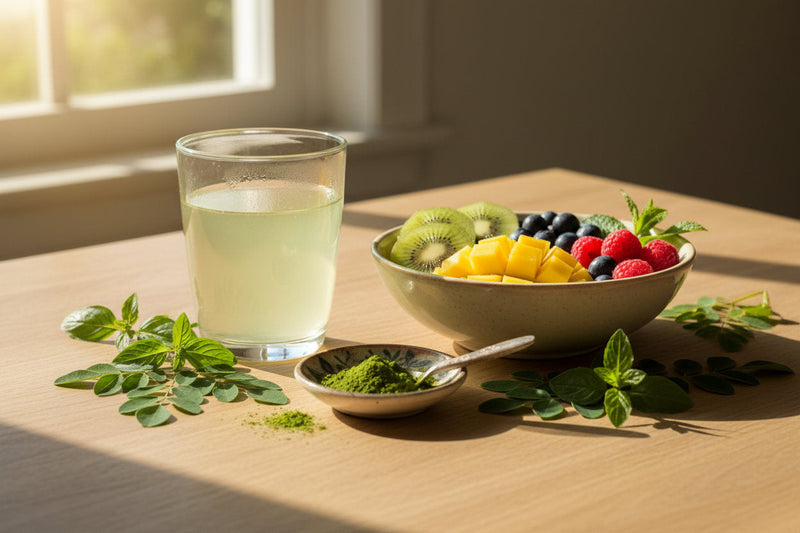
Moringa, Lemon and Honey Infusion
Serves 1 · 5 minutes · caffeine-free
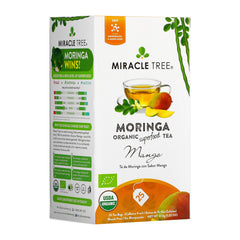
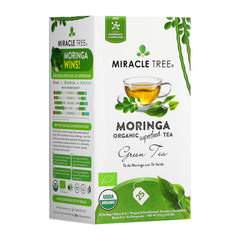
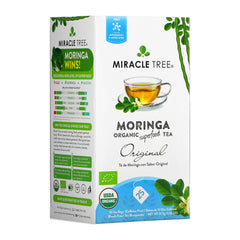
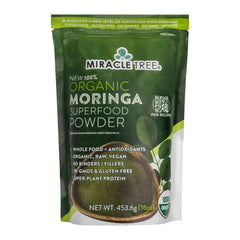
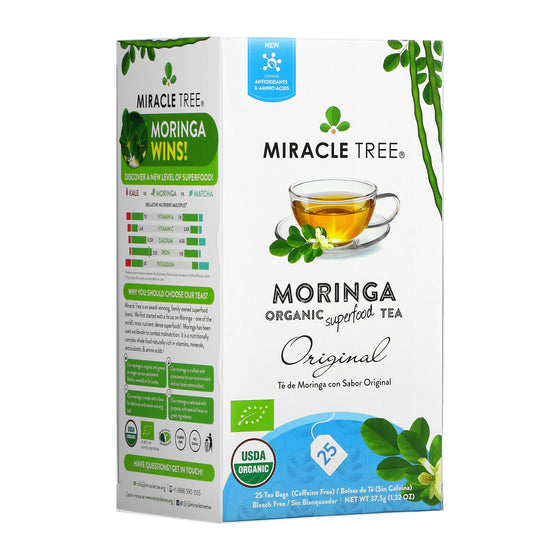
- 1 teaspoon Miracle Tree Moringa Powder, or one bag of moringa herbal tea
- 1 cup freshly boiled water
- Juice of half a lemon
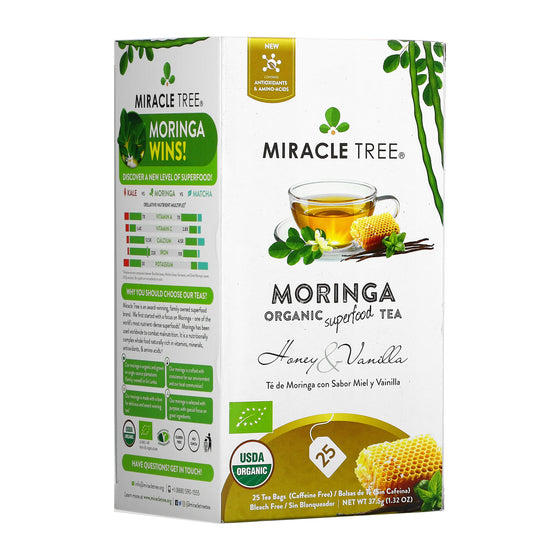
- 1 teaspoon honey, optional
- A thin slice of fresh ginger, optional
- If using powder, whisk it with a tablespoon of the hot water into a smooth paste first, then top up with the rest. This is what stops it going grainy.
- Let it stand for 4-5 minutes, then stir in the lemon juice and honey.
Why lemon: it cuts the green flavor and brightens the cup. Add the honey once the water has cooled slightly rather than at boiling point.

Moringa Vegetable Soup
Serves 4 · 30 minutes
- 1 tablespoon olive oil
- 1 onion, chopped
- 2 garlic cloves, minced
- 2 carrots, diced
- 2 celery stalks, diced
- 1 zucchini, diced
- 4 cups vegetable broth
- 1 can white beans, drained — optional, and what turns this from a starter into lunch
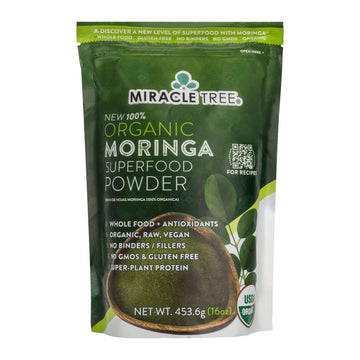
- 1 teaspoon Miracle Tree Moringa Powder
- Juice of half a lemon
- Salt and pepper
- Heat the oil in a large pot over medium heat. Add the onion and garlic and sauté for 3–4 minutes, until fragrant and softened.
- Add the carrots, celery and zucchini and cook for 5 minutes, stirring occasionally.
- Pour in the broth, bring to a boil, then reduce the heat and simmer for about 15 minutes, until the vegetables are tender. Add the beans for the last 5 minutes.
- Take the pot off the heat. Stir in the moringa powder and the lemon juice, season with salt and pepper, and let it stand for two minutes before serving.
Why off the heat: prolonged boiling dulls moringa's color to a flat olive and pushes the flavor toward bitterness. Added at the end, it stays bright and tastes fresh.
Keeps four days in the fridge; freezes for three months.
The Rest of the Winter Picture
- Keep drinking water. Thirst signalling is weaker in the cold, and indoor heating is drying. A hot drink counts.
- Sleep matters for how you feel through winter, and it is free.
- Eat a range of plants, not one heroic one. Frozen vegetables are picked and frozen at peak ripeness and are an excellent winter option.
- Get outside in daylight when you can, even briefly — for circadian rhythm as much as anything else.
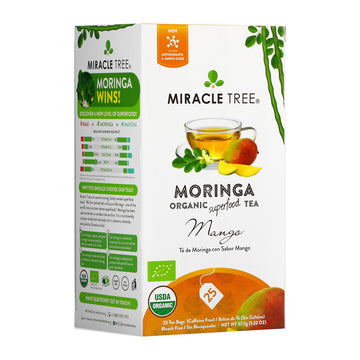
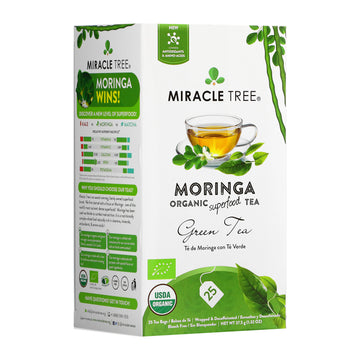
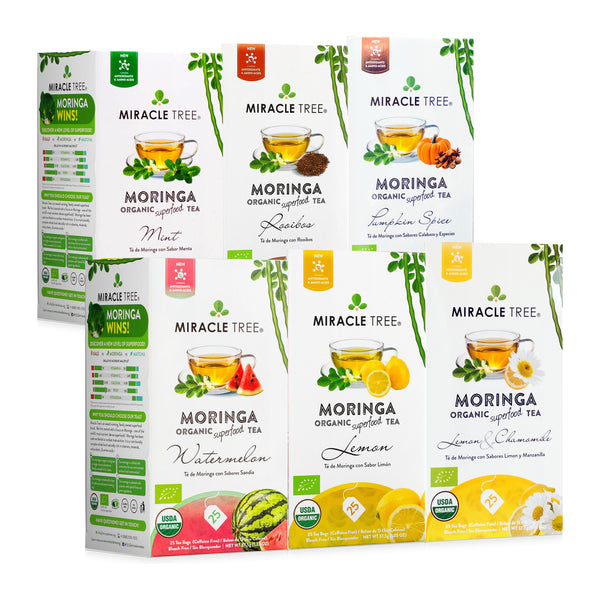
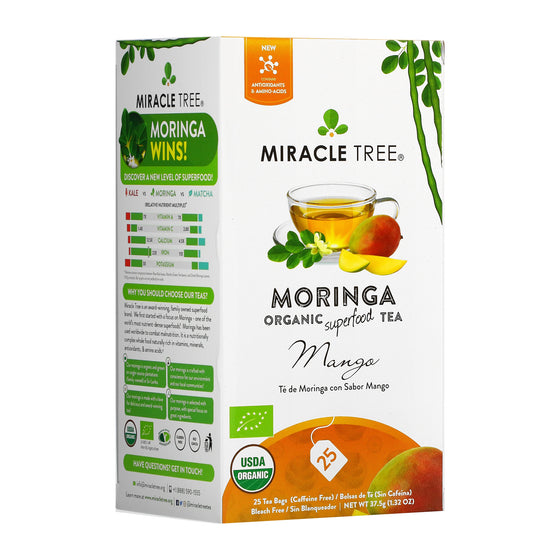
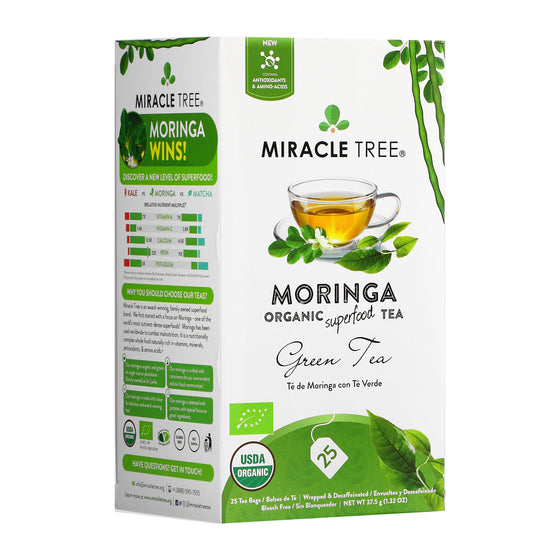
Most of our herbal blends are caffeine-free, so an afternoon cup won't cost you an hour of sleep; Green Tea is decaf, with only a trace of caffeine, and Earl Grey is low caffeine. Browse the full herbal collection, or read our guide to moringa tea if you're starting from scratch.
Stay warm, and eat well.
References
These statements have not been evaluated by the Food and Drug Administration. This product is not intended to diagnose, treat, cure, or prevent any disease.
Always consult a healthcare professional before making changes to your diet, especially if you are pregnant, nursing, or managing a medical condition.
تذكيرات مهمة
تذكّر دائمًا استشارة مقدم الرعاية الصحية قبل إجراء أي تغييرات كبيرة على نظامك الغذائي. ومع أن المورينجا آمنة للاستهلاك بشكل عام، فمن الضروري الانتباه لأي حساسية محتملة أو تداخلات مع الأدوية.


