





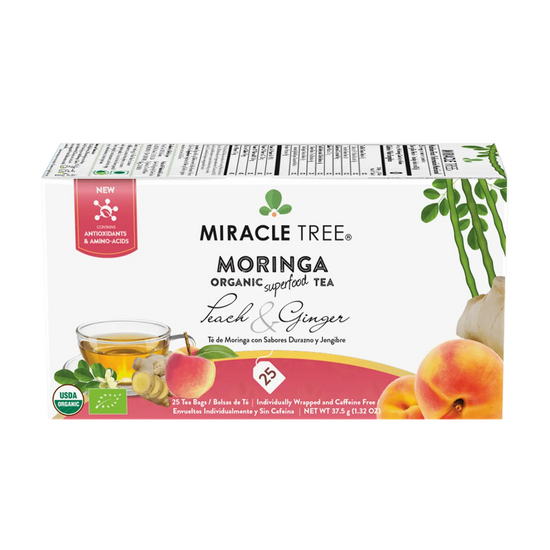
Spare 10 % auf alle Käufe von Moringa-Tee Pfirsich & Ingwer bei Bestellungen ab 15 $
DAILYOFFER
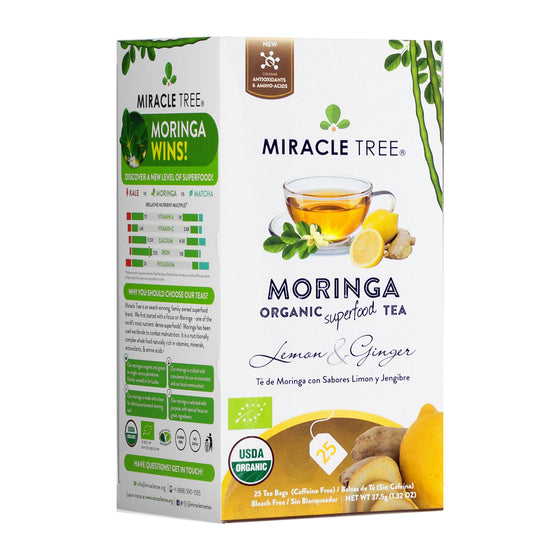 SORTE IM FOKUSZitrone & IngwerFrisch und ingwerwürzig, nie bitter★★★★★ 4.9 (140)Ab $6.99Jetzt shoppen
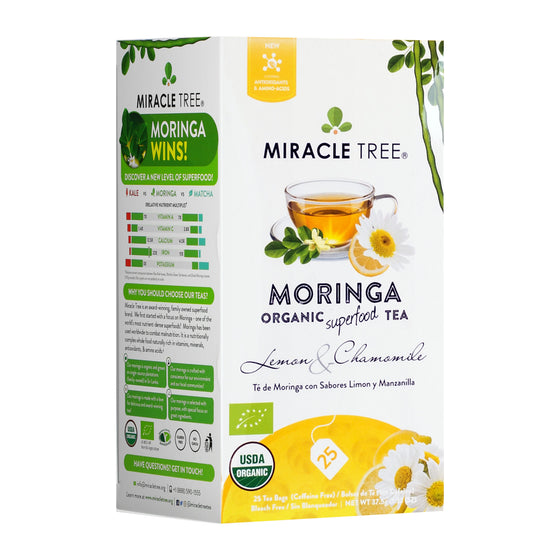 SORTE IM FOKUSZitrone & KamilleZart und blumig, nie bitter★★★★★ 4.9 (87)Ab $6.99Jetzt shoppen
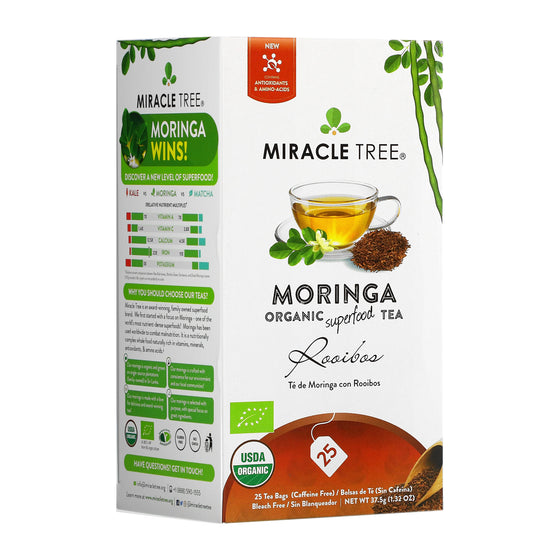 SORTE IM FOKUSRooibosSanft und erdig, nie bitter★★★★☆ 4.4 (42)Ab $6.64Jetzt shoppen
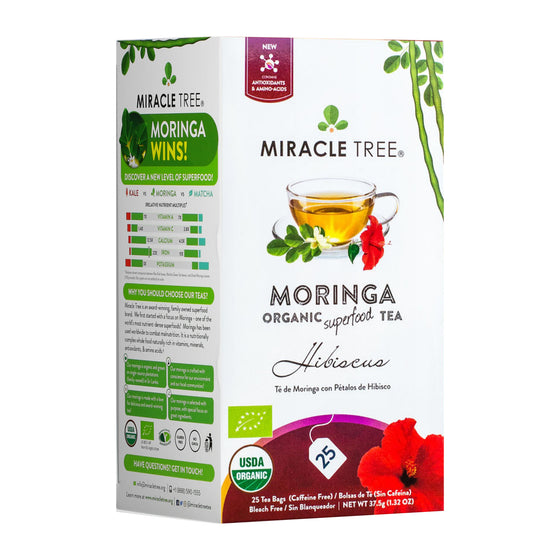 SORTE IM FOKUSHibiskusLeicht und blumig, nie bitter★★★★★ 4.6 (7)Ab $6.99Jetzt shoppen
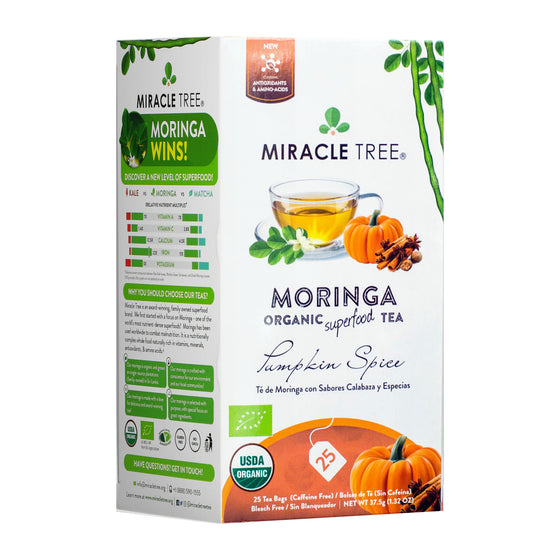 SORTE IM FOKUSKürbisgewürzWarm und gewürzt, nie bitter★★★★★ 4.6 (32)Ab $6.64Jetzt shoppen
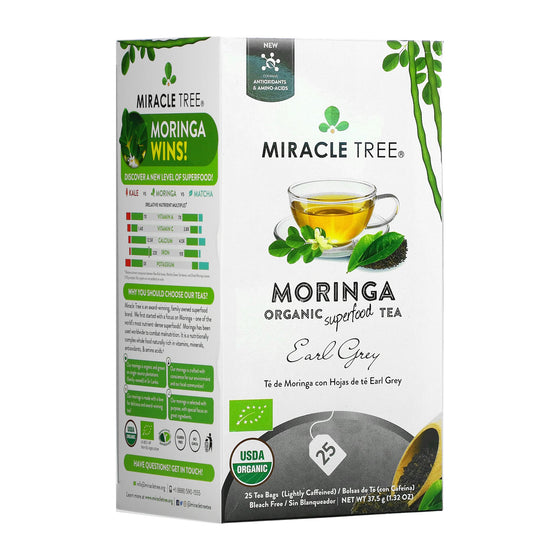 SORTE IM FOKUSEarl GreyLebhaft und zitrusfrisch★★★★★ 4.9 (149)Ab $6.99Jetzt shoppen
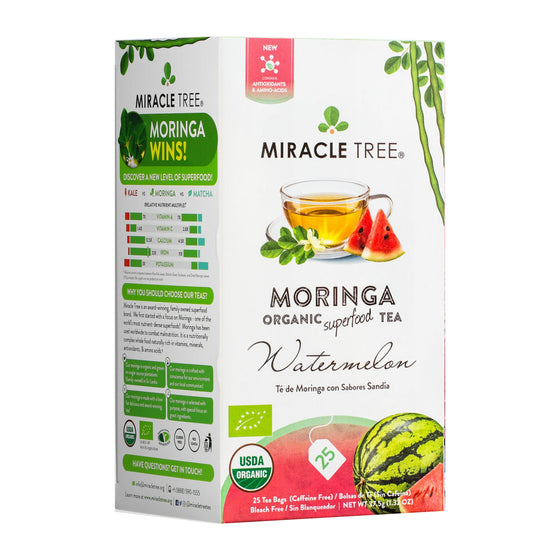 SORTE IM FOKUSWassermeloneLeicht und fruchtig, nie bitter★★★★★ 4.6 (15)Ab $6.64Jetzt shoppen
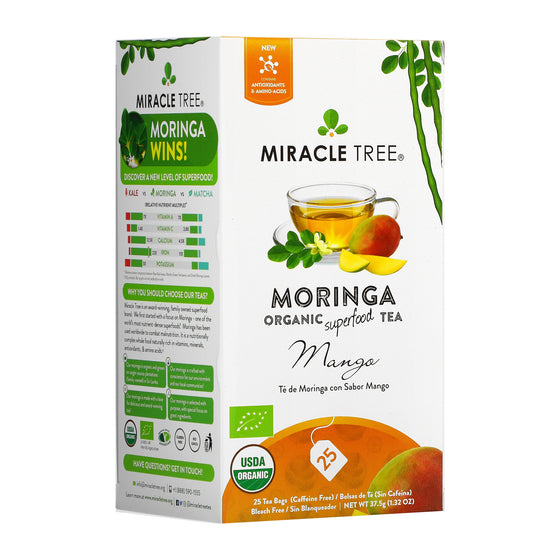 SORTE IM FOKUSMangoWeich und fruchtig, nie bitter★★★★★ 4.8 (300)Ab $6.99Jetzt shoppen
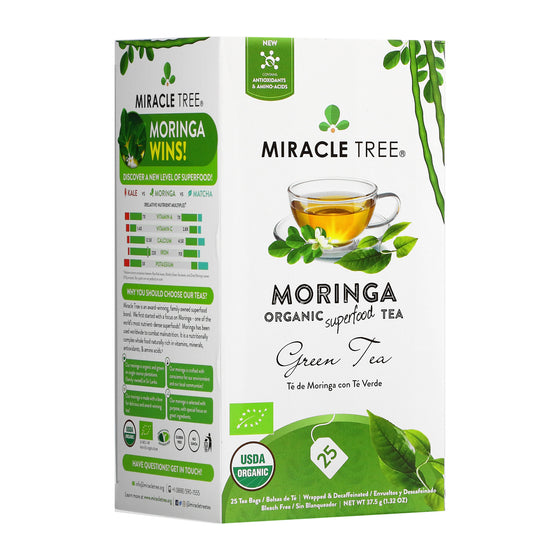 SORTE IM FOKUSBio-Moringa mit Grünem Tee - EntkoffeiniertLeicht und frisch, nie bitter★★★★★ 4.8 (356)Ab $6.99Jetzt shoppen
 SORTE IM FOKUSZitrone & IngwerFrisch und ingwerwürzig, nie bitter★★★★★ 4.9 (140)Ab $6.99Jetzt shoppen
SORTE IM FOKUSZitrone & KamilleZart und blumig, nie bitter★★★★★ 4.9 (87)Ab $6.99Jetzt shoppen
SORTE IM FOKUSRooibosSanft und erdig, nie bitter★★★★☆ 4.4 (42)Ab $6.64Jetzt shoppen
SORTE IM FOKUSHibiskusLeicht und blumig, nie bitter★★★★★ 4.6 (7)Ab $6.99Jetzt shoppen
SORTE IM FOKUSKürbisgewürzWarm und gewürzt, nie bitter★★★★★ 4.6 (32)Ab $6.64Jetzt shoppen
SORTE IM FOKUSEarl GreyLebhaft und zitrusfrisch★★★★★ 4.9 (149)Ab $6.99Jetzt shoppen
SORTE IM FOKUSWassermeloneLeicht und fruchtig, nie bitter★★★★★ 4.6 (15)Ab $6.64Jetzt shoppen
SORTE IM FOKUSMangoWeich und fruchtig, nie bitter★★★★★ 4.8 (300)Ab $6.99Jetzt shoppen
SORTE IM FOKUSBio-Moringa mit Grünem Tee - EntkoffeiniertLeicht und frisch, nie bitter★★★★★ 4.8 (356)Ab $6.99Jetzt shoppen
SORTE IM FOKUSZitrone & IngwerFrisch und ingwerwürzig, nie bitter★★★★★ 4.9 (140)Ab $6.99Jetzt shoppen
SORTE IM FOKUSZitrone & KamilleZart und blumig, nie bitter★★★★★ 4.9 (87)Ab $6.99Jetzt shoppen
SORTE IM FOKUSRooibosSanft und erdig, nie bitter★★★★☆ 4.4 (42)Ab $6.64Jetzt shoppen
SORTE IM FOKUSHibiskusLeicht und blumig, nie bitter★★★★★ 4.6 (7)Ab $6.99Jetzt shoppen
SORTE IM FOKUSKürbisgewürzWarm und gewürzt, nie bitter★★★★★ 4.6 (32)Ab $6.64Jetzt shoppen
SORTE IM FOKUSEarl GreyLebhaft und zitrusfrisch★★★★★ 4.9 (149)Ab $6.99Jetzt shoppen
SORTE IM FOKUSWassermeloneLeicht und fruchtig, nie bitter★★★★★ 4.6 (15)Ab $6.64Jetzt shoppen
SORTE IM FOKUSMangoWeich und fruchtig, nie bitter★★★★★ 4.8 (300)Ab $6.99Jetzt shoppen
SORTE IM FOKUSBio-Moringa mit Grünem Tee - EntkoffeiniertLeicht und frisch, nie bitter★★★★★ 4.8 (356)Ab $6.99Jetzt shoppen

Kurz gesagt: Moringa hält dem Vergleich mit Grünkohl, Spirulina, Matcha und Weizengras bei der Nährstoffdichte gut stand, und es ist das einzige Lebensmittel dieser Gruppe, das ein vollständiges pflanzliches Protein liefert, koffeinfrei ist und trockenheitsresistent genug wächst, um ohne Bewässerung auszukommen. „Besser“ ist es deshalb nicht in allem. Hier ein ehrlicher Vergleich, auch dort, wo die anderen vorn liegen.
Die meisten Aussagen im Stil von „Moringa enthält 17-mal so viel Kalzium wie Milch“ – unsere eingeschlossen – vergleichen getrocknetes Moringablatt Gramm für Gramm mit frischen Lebensmitteln. Das ist eine legitime Art, Nährstoffdichte zu vergleichen, denn beim Trocknen verschwindet das Wasser und alles Übrige wird konzentriert. Es entspricht aber nicht dem, was man tatsächlich auf einmal isst. Ein Teelöffel Moringapulver wiegt ein paar Gramm, ein Glas Milch über zweihundert.
Das sagen wir lieber offen. Die Nährstoffdichte des Moringablatts ist wirklich außergewöhnlich, und sie muss nicht aufgebauscht werden.
| Moringa | Grünkohl | Spirulina | Matcha | Weizengras | |
|---|---|---|---|---|---|
| Vollständiges Protein (alle 9 essenziellen Aminosäuren) | Ja | Nein | Ja | Nein | Nein |
| Koffein | Keines | Keines | Keines | Hoch | Keines |
| Pflanzliches Eisen | Hoch | Mittel | Hoch | Niedrig | Mittel |
| Kalzium | Hoch | Mittel | Niedrig | Niedrig | Niedrig |
| Als Tee trinkbar | Ja | Nein | Nein | Ja | Nein |
| Geschmack | Grün, leicht erdig | Bitter, vegetabil | Kräftig, maritim | Grasig, umami, bitter | Herb, sehr grasig |
Das sagen wir lieber geradeheraus:
Der vernünftige Schluss ist nicht, dass eines davon die anderen ersetzt. Er lautet: Moringa ist ungewöhnlich vielseitig – ein vollständiges Protein, koffeinfrei, als Tee trinkbar und reich an Eisen und Kalzium –, und genau deshalb verdient es einen festen Platz in der Routine statt einen Platz auf dem Siegertreppchen.
Beides ist dasselbe Blatt. Moringa-Tee ist ein Aufguss und liefert damit den wasserlöslichen Teil des Blattes in einem angenehmen heißen Getränk. Moringa-Pulver ist das ganze gemahlene Blatt und liefert pro Portion deutlich mehr, muss dafür aber unter Speisen gemischt werden. Mehr zum Unterschied und dazu, was die Forschung zeigt und was nicht.
* Diese Aussagen wurden von der US-amerikanischen Food and Drug Administration (FDA) nicht bewertet. Dieses Produkt ist nicht dazu bestimmt, Krankheiten zu diagnostizieren, zu behandeln, zu heilen oder ihnen vorzubeugen.
Sieh, wie das Moringablatt im Vergleich zu beliebten Superfoods abschneidet
Jetzt shoppen
Sieh, wie das Moringablatt im Vergleich zu beliebten Superfoods abschneidet
Jetzt shoppen| Je 100 g | Moringa | Grünkohl | Matcha | Spirulina |
|---|---|---|---|---|
| Protein | 27.1 g | 2.9 g | 29.6 g | 57.5 g |
| Calcium | 2,003 mg | 254 mg | 420 mg | 120 mg |
| Eisen | 28.2 mg | 1.6 mg | 17.0 mg | 28.5 mg |
| Kalium | 1,324 mg | 348 mg | 2,700 mg | 1,363 mg |
| Koffein | Keins | Keins | Enthält Koffein | Keins |
Quellen: Moringa-Blattpulver, Gopalakrishnan et al., Food Science and Human Wellness (2016); Matcha-Pulver, MEXT Standard Tables of Food Composition in Japan, 8. Aufl.; Spirulina (getrocknet) und Grünkohl (frisch, roh), USDA FoodData Central. Getrocknete Pulver sind konzentriert: Eine übliche Portion sind nur wenige Gramm und liefert daher weit weniger als diese Werte je 100 g.
Gramm für Gramm: getrocknetes Moringablatt im Vergleich mit alltäglichen Lebensmitteln. Eine übliche Portion umfasst nur wenige Gramm, daher fallen die Mengen pro Portion deutlich kleiner aus.
mehr Calcium als Vollmilch
mehr Eisen als roher Spinat
mehr Protein als Naturjoghurt
mehr Kalium als Bananen
Koffein – Moringa ist von Natur aus koffeinfrei


Bioverfügbarkeit beschreibt, wie gut dein Körper einen Nährstoff aufnimmt und verwertet, und sie hängt vom ganzen Lebensmittel ab, nicht nur von den Zahlen auf einem Etikett. Das bringt das Moringablatt mit.
Unser Moringa ist einfach getrocknetes, gemahlenes Blatt, aus dem nichts extrahiert und dem nichts hinzugefügt wurde. So erhältst du die Vitamine, Mineralstoffe und Pflanzenstoffe, die das Blatt von Natur aus enthält, gemeinsam.
Moringablätter enthalten Vitamin C neben Eisen. Vitamin C hilft dem Körper, das Nicht-Häm-Eisen aus pflanzlichen Lebensmitteln aufzunehmen. Außerdem liefert das Blatt Calcium, Magnesium und Kalium.
Moringa hat einen milden, erdigen Geschmack, der sich leicht in Tee, Smoothies und alltägliche Speisen einfügt, sodass es einfach ist, es zu einem Teil einer ausgewogenen Routine zu machen.
Anders als Matcha und andere Tees aus der Teepflanze ist Moringablatt von Natur aus koffeinfrei, sodass du es zu jeder Tageszeit genießen kannst.
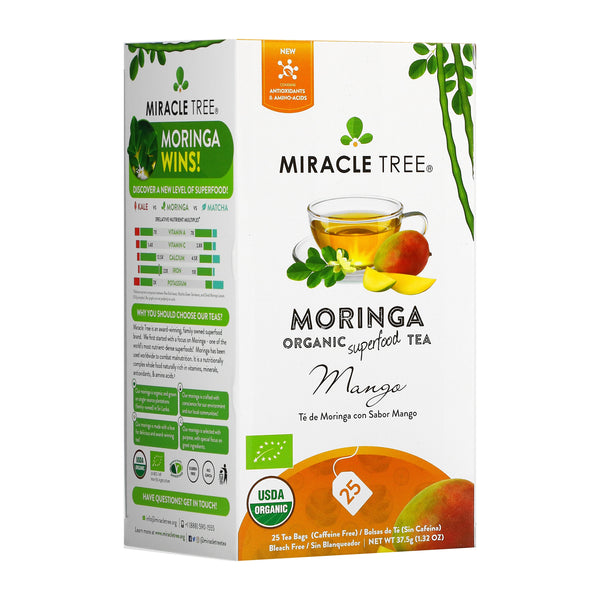 Moringa-Kräutertees
20 Bio-Sorten in plastikfreien Teebeuteln.Ab$6.64
Moringa-Kräutertees
20 Bio-Sorten in plastikfreien Teebeuteln.Ab$6.64
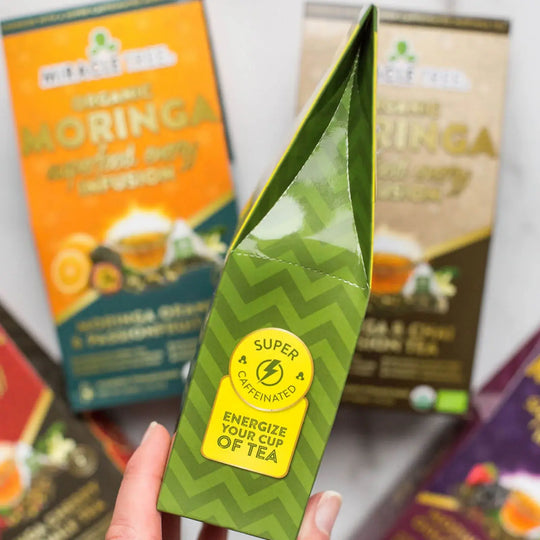
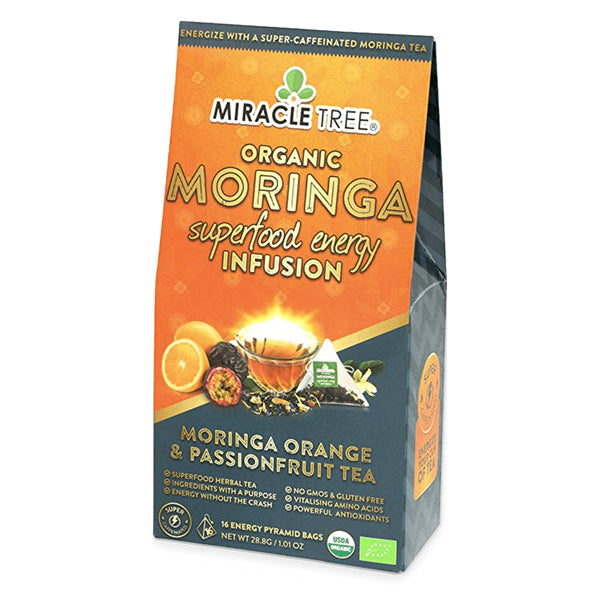 Moringa-Energy-Tees
Sechs koffeinhaltige Sorten als Alternative zu Kaffee.Ab$8.07
Moringa-Energy-Tees
Sechs koffeinhaltige Sorten als Alternative zu Kaffee.Ab$8.07
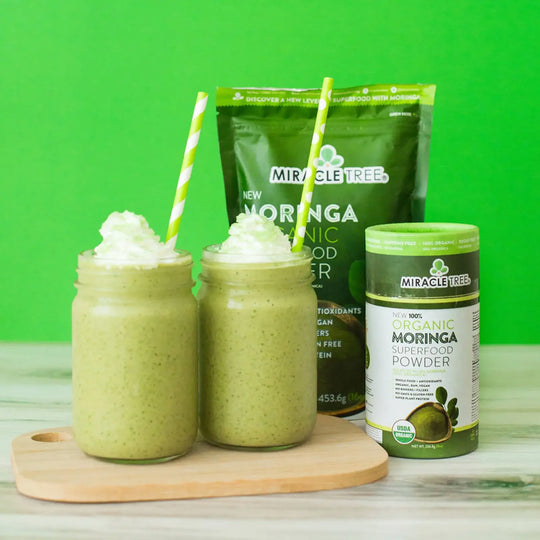
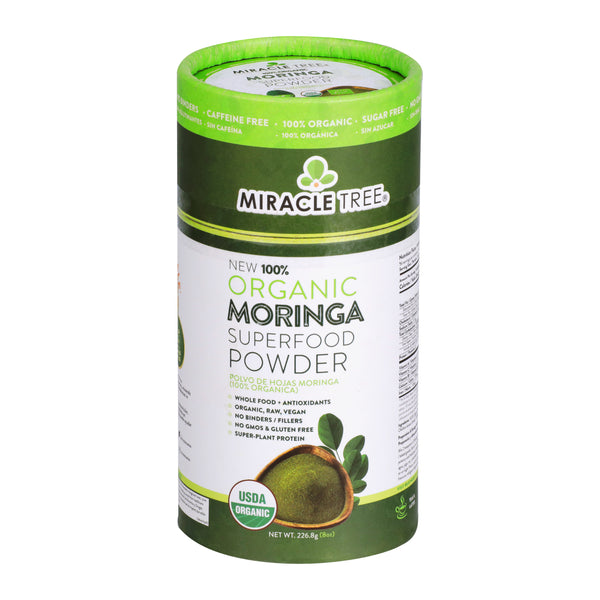 Moringa-Pulver
100 % Bio-Blattpulver für Smoothies, Lattes und zum Backen.Ab$9.99
Moringa-Pulver
100 % Bio-Blattpulver für Smoothies, Lattes und zum Backen.Ab$9.99
Kostenloser Versand in die USA ab $29.
Beide sind nährstoffreich, und jedes hat seine Stärken. Gramm für Gramm enthält Spirulina mehr Protein, während Moringa-Blattpulver deutlich mehr Calcium enthält, bei ähnlichen Mengen an Eisen und Kalium. Außerdem hat Moringa einen milderen, erdigen Geschmack im Vergleich zum kräftigen, meeresartigen Aroma von Spirulina.
Matcha ist ein grüner Tee und enthält von Natur aus Koffein. Moringa ist von Natur aus koffeinfrei, sodass du es zu jeder Tageszeit genießen kannst. Viele unserer Kundinnen und Kunden erzählen uns, dass sie sich nach einer Tasse erfrischt und beschwingt fühlen, und seine Blätter liefern von Natur aus B-Vitamine und Eisen.
Viele Menschen genießen Moringa täglich als Teil einer ausgewogenen Ernährung. Wir empfehlen, mit 1–2 Teelöffeln Pulver oder 1–3 Tassen Tee pro Tag zu beginnen und die Menge an das anzupassen, was dir guttut. Wenn du schwanger bist, stillst, Medikamente einnimmst oder eine Erkrankung hast, sprich vorher mit deiner Ärztin oder deinem Arzt.
Moringa-Blätter gelten zwar allgemein als sicher und nahrhaft, wir empfehlen jedoch, während der Schwangerschaft oder Stillzeit vor der Aufnahme eines neuen Nahrungsergänzungsmittels in deine Routine mit deiner Ärztin oder deinem Arzt zu sprechen.
Für Moringa-Pulver empfehlen wir 1–2 Teelöffel täglich. Beim Tee sind 1–3 Tassen pro Tag ideal. Beginne mit einer kleineren Menge und steigere sie nach und nach, um herauszufinden, was für deinen Körper am besten passt. Moringa ist sanft und wird von den meisten Menschen gut vertragen.
Moringa hat einen milden, erdigen Geschmack mit feinen Noten von grünem Tee. Unsere Premium-Moringa-Teemischungen sind sorgfältig komponiert, damit sie weich und angenehm schmecken – so lassen sie sich ganz leicht täglich genießen. Viele Kundinnen und Kunden beschreiben den Geschmack als erfrischend und natürlich süß.
Ja, alle Moringa-Produkte von Miracle Tree sind bio-zertifiziert. Wir beziehen unser Moringa von nachhaltig wirtschaftenden Farmen in Sri Lanka, die strenge Richtlinien des ökologischen Landbaus befolgen – für höchste Qualität und Reinheit.
Wir beziehen unser Moringa von zertifizierten Bio-Farmen in Sri Lanka, wo das tropische Klima gut für den Anbau von Moringa geeignet ist. Unser Single-Origin-Ansatz unterstützt Rückverfolgbarkeit, Qualität und nachhaltig wirtschaftende landwirtschaftliche Gemeinschaften.
4.8 von 5 · 375 Bewertungen · Bio-Moringa-Tee - Original - KoffeinfreiAlle Bewertungen lesen
A great value for the price. I have tried several moringa teas and this one by far is the best. Very natural and true Moringa.
This is one of the best teas i have ever tasted! Its the only tea i can drink without a sweetener. The flavor is light ,clean and fresh. Definitely would buy again.
My best friend gave me a sample of this tea to try and it was amazing! Its delicious! I ordered a package right away and I will continue to keep on hand and drink daily.