



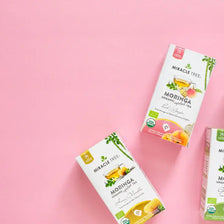

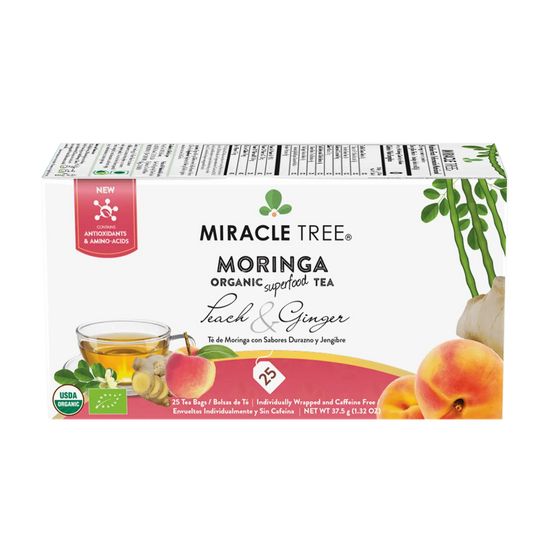
Spara 10 % på alla köp av moringate Persika & Ingefära vid beställningar från $15
DAILYOFFER
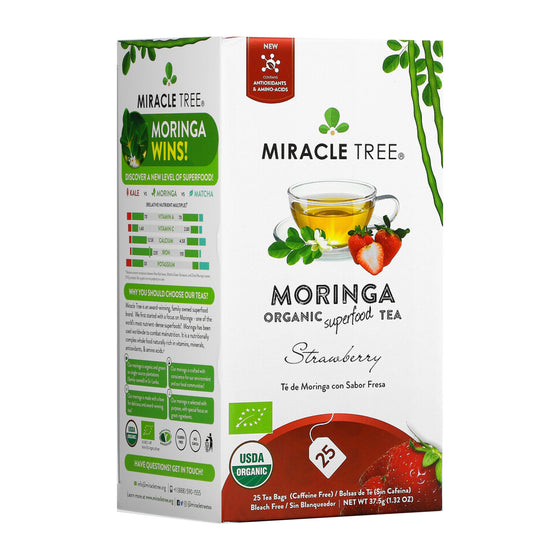 SMAK I FOKUSJordgubbSöt och mjuk, aldrig besk★★★★★ 4.7 (213)Från $7.99Handla nu
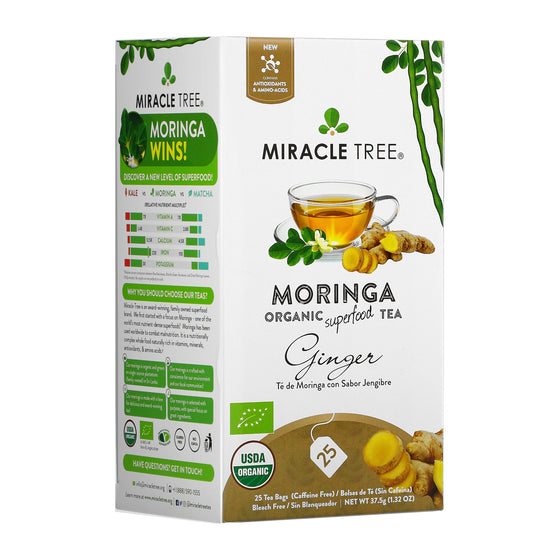 SMAK I FOKUSIngefäraMjuk och ingefärskryddig, aldrig besk★★★★★ 4.7 (162)Från $8.99Handla nu
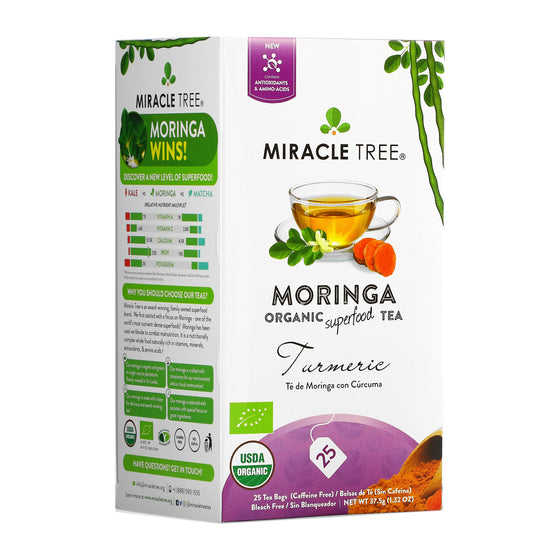 SMAK I FOKUSGurkmejaMjuk och smakrik, aldrig besk★★★★★ 4.9 (176)Från $8.99Handla nu
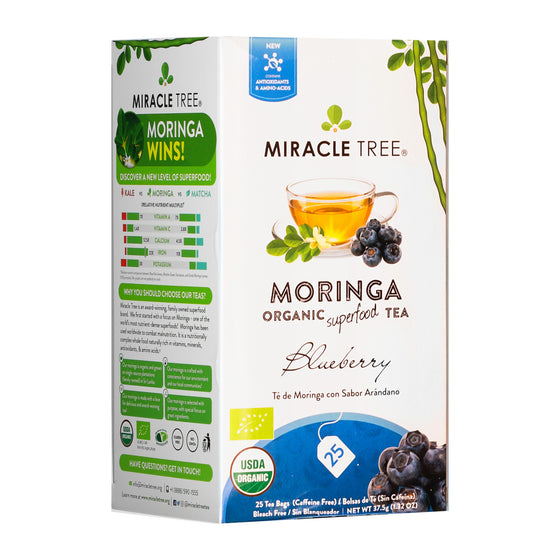 SMAK I FOKUSBlåbärFrisk och fruktig, aldrig besk★★★★★ 4.8 (177)Från $8.99Handla nu
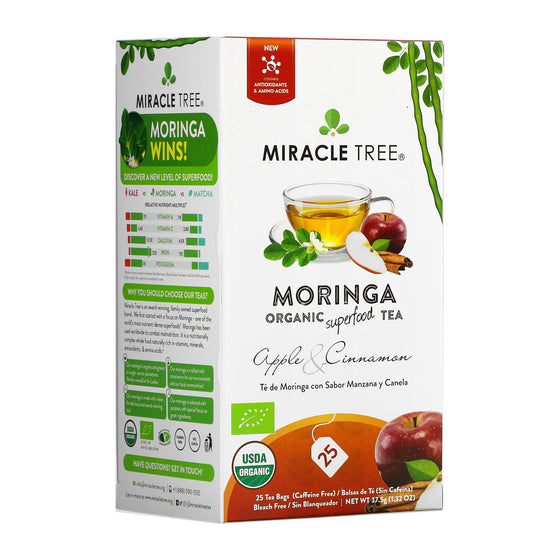 SMAK I FOKUSÄpple & KanelVarm och mysig, aldrig besk★★★★★ 4.7 (145)Från $8.99Handla nu
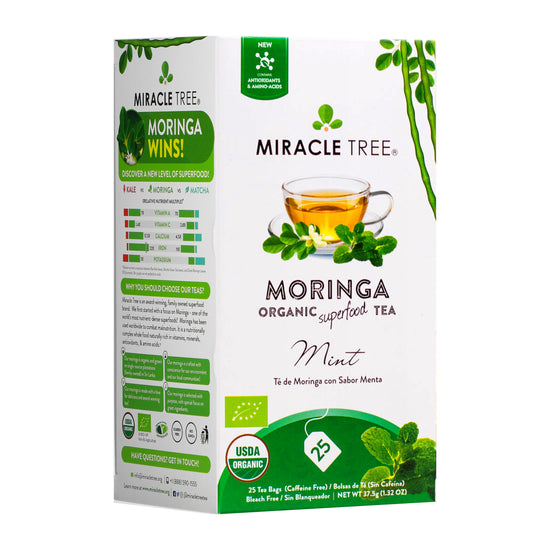
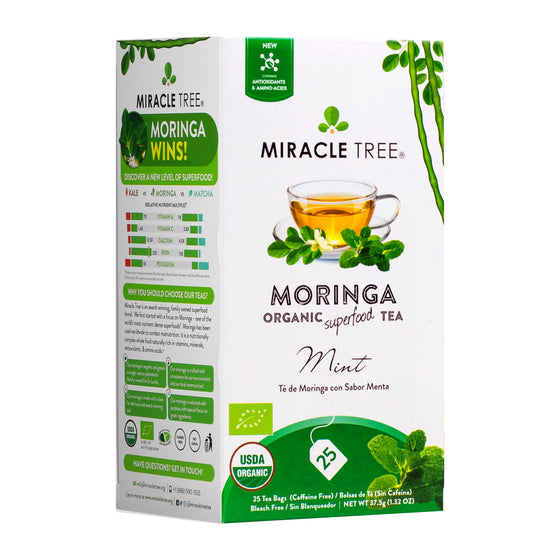 SMAK I FOKUSMyntaMjuk och mintig, aldrig besk★★★★★ 4.8 (151)Från $6.29Handla nu
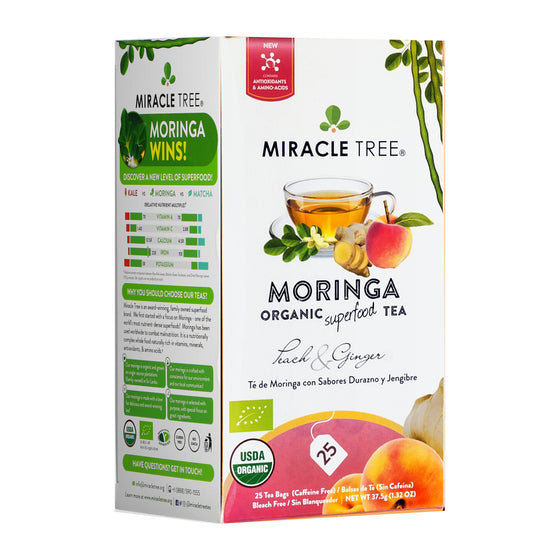 SMAK I FOKUSPersika & IngefäraSöt och persikofruktig, aldrig besk★★★★★ 4.9 (66)Från $8.99Handla nu
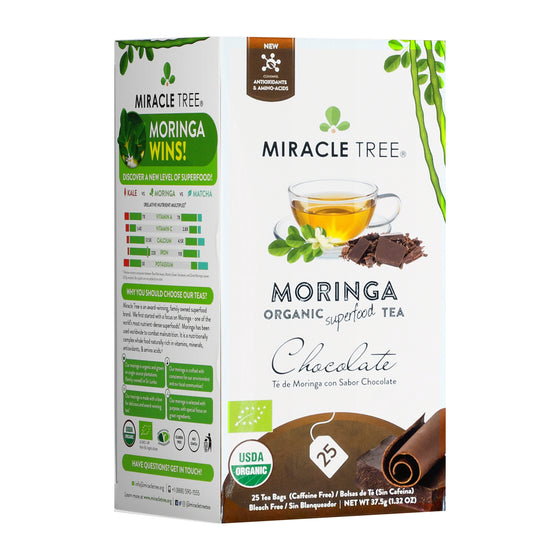 SMAK I FOKUSChokladMjuk och chokladig, aldrig besk★★★★★ 4.7 (211)Från $8.99Handla nu
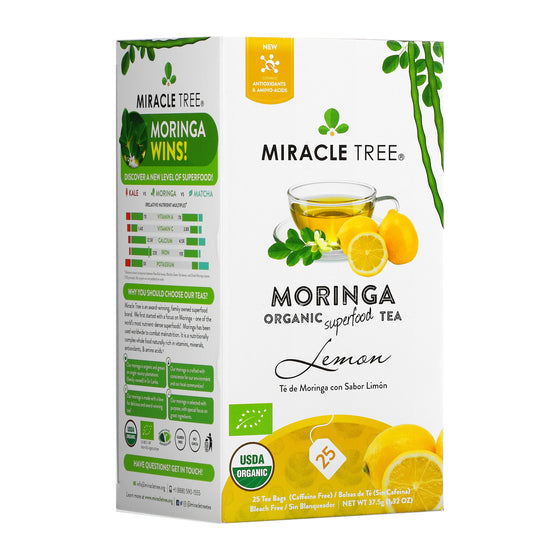 SMAK I FOKUSCitronMild och citronfrisk, aldrig besk★★★★★ 4.8 (130)Från $8.99Handla nu
Bästsäljare
 SMAK I FOKUSJordgubbSöt och mjuk, aldrig besk★★★★★ 4.7 (213)Från $7.99Handla nu
SMAK I FOKUSIngefäraMjuk och ingefärskryddig, aldrig besk★★★★★ 4.7 (162)Från $8.99Handla nu
SMAK I FOKUSGurkmejaMjuk och smakrik, aldrig besk★★★★★ 4.9 (176)Från $8.99Handla nu
SMAK I FOKUSBlåbärFrisk och fruktig, aldrig besk★★★★★ 4.8 (177)Från $8.99Handla nu
SMAK I FOKUSÄpple & KanelVarm och mysig, aldrig besk★★★★★ 4.7 (145)Från $8.99Handla nu
SMAK I FOKUSMyntaMjuk och mintig, aldrig besk★★★★★ 4.8 (151)Från $6.29Handla nu
SMAK I FOKUSPersika & IngefäraSöt och persikofruktig, aldrig besk★★★★★ 4.9 (66)Från $8.99Handla nu
SMAK I FOKUSChokladMjuk och chokladig, aldrig besk★★★★★ 4.7 (211)Från $8.99Handla nu
SMAK I FOKUSCitronMild och citronfrisk, aldrig besk★★★★★ 4.8 (130)Från $8.99Handla nu
Våra kunder är vår högsta prioritet – kontakta oss om du behöver mer hjälp.
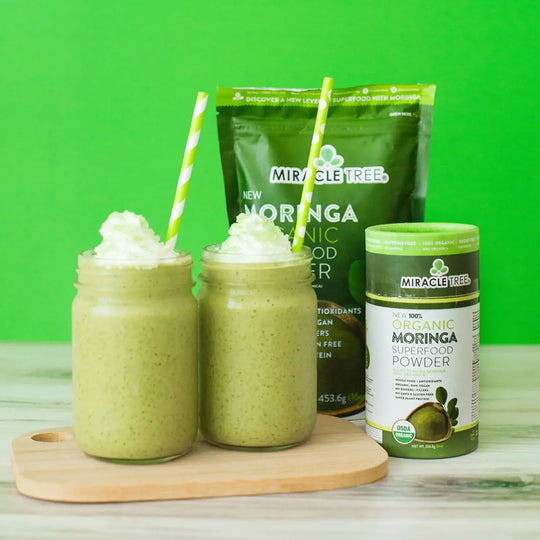
This page puts caffeine and basic nutrition for common hot drinks side by side, using public data from the USDA, the FDA, Japan's official food tables (MEXT) and a peer-reviewed review. A cup of brewed coffee has about 95 mg of caffeine, black tea about 47 mg, green tea about 28 mg and 2 g of matcha about 64 mg. Plain moringa leaf tea is caffeine-free. Brewed drinks carry very few calories or nutrients. Moringa leaf powder is a different food: per 100 g it has more calcium and iron than matcha, kale or spinach in our table, but matcha has more protein, potassium and vitamin C, and kale and spinach have more vitamin C. A real serving of powder is only a few grams, and a cup of tea carries far less than the powder.
| Drink | Serving | Caffeine, typical | Caffeine, range across sources | Calories | Potassium | Sources |
|---|---|---|---|---|---|---|
| Coffee, brewed | 8 fl oz (237 mL) | 95 mg | 75–165 mg | 2 kcal | 116 mg | [1] [4] [5] |
| Black tea, brewed | 8 fl oz (237 mL) | 47 mg | 47–71 mg | 2 kcal | 88 mg | [2] [4] [5] |
| Green tea, brewed | 8 fl oz (237 mL) | 28 mg | 25–47 mg | 2 kcal | 19 mg | [3] [4] [5] |
| Matcha | 2 g powder, whisked in water | 64 mg | 32–64 mg (1–2 g powder) | 5 kcal | 54 mg | [5] [6] |
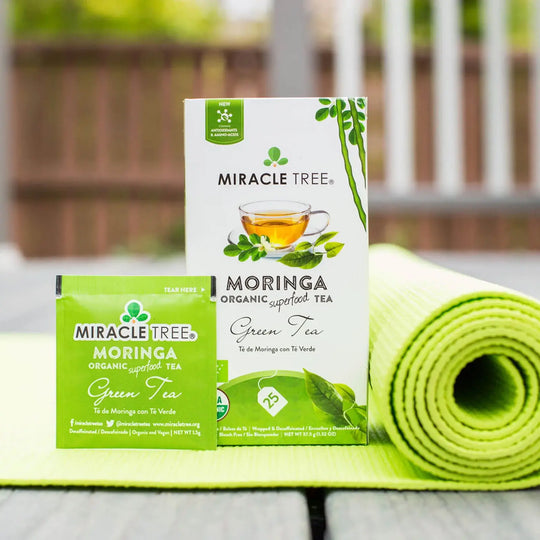
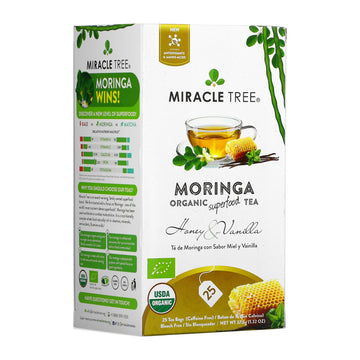
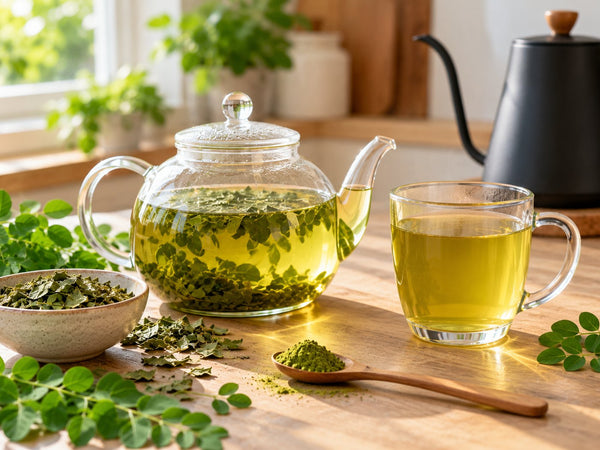
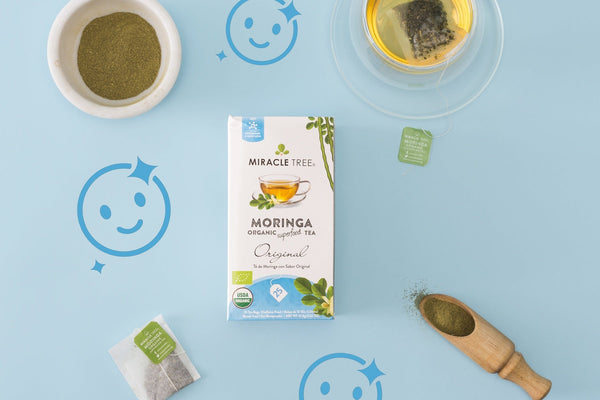
| Moringa leaf tea (Miracle Tree Original) | 1 tea bag | 0 mg (caffeine-free)* | — | — | — | [11] |
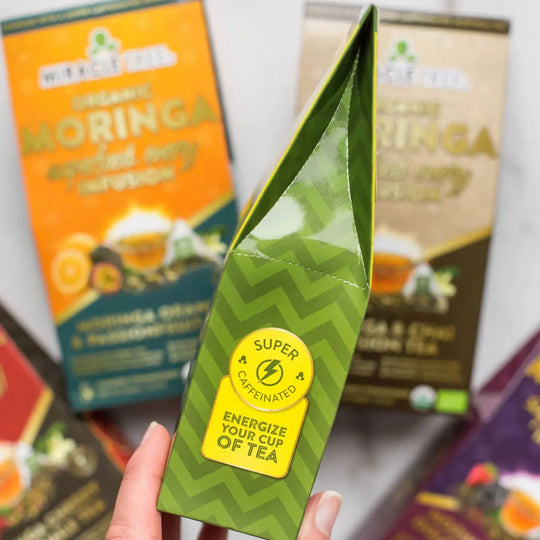
| Miracle Tree Energy tea (moringa with organic black tea caffeine extract) | 1 tea bag | 155 mg* | — | — | — | [12] |
Coffee and tea values per 8 fl oz are worked out from USDA figures per 100 g [1–3]. Ranges include the FDA's published amounts, converted from 12 fl oz to 8 fl oz [4], and Japan's brewed tea and coffee figures, converted to 237 mL [5]. Japan's coffee figure (142 mg) comes from a strong brew and sits inside the FDA range. Matcha caffeine is 3.2 g per 100 g of powder [5]. *Miracle Tree figures are the maker's own statements, not independent lab tests. Our Moringa Green Tea blend (decaffeinated green tea) has a trace of caffeine and our Earl Grey blend has a little; we do not publish mg figures for those two. — = no reliable published figure.
| Nutrient | Moringa leaf powder [7] | Matcha powder [6] | Kale, raw [8] | Spinach, raw [9] | Highest of the four |
|---|---|---|---|---|---|
| Protein | 27.1 g | 29.6 g | 2.9 g | 2.9 g | Matcha |
| Calcium | 2,003 mg | 420 mg | 254 mg | 99 mg | Moringa |
| Iron | 28.2 mg | 17.0 mg | 1.6 mg | 2.7 mg | Moringa |
| Potassium | 1,324 mg | 2,700 mg | 348 mg | 558 mg | Matcha |
| Vitamin C | 17.3 mg | 60 mg | 93.4 mg | 28.1 mg | Kale |
Cite this page: Miracle Tree. Caffeine and Nutrition Data: Moringa Tea vs Coffee, Matcha, Green Tea and Black Tea. https://www.miracletree.org/pages/caffeine-and-nutrition-data. 2026.
Last updated: November 10, 2026. Values are for general information and are not medical advice.
4.8 av 5 · 375 recensioner · Ekologiskt Moringate - Original - KoffeinfrittLäs alla recensioner
A great value for the price. I have tried several moringa teas and this one by far is the best. Very natural and true Moringa.
This is one of the best teas i have ever tasted! Its the only tea i can drink without a sweetener. The flavor is light ,clean and fresh. Definitely would buy again.
My best friend gave me a sample of this tea to try and it was amazing! Its delicious! I ordered a package right away and I will continue to keep on hand and drink daily.