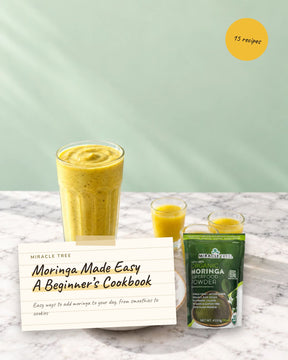




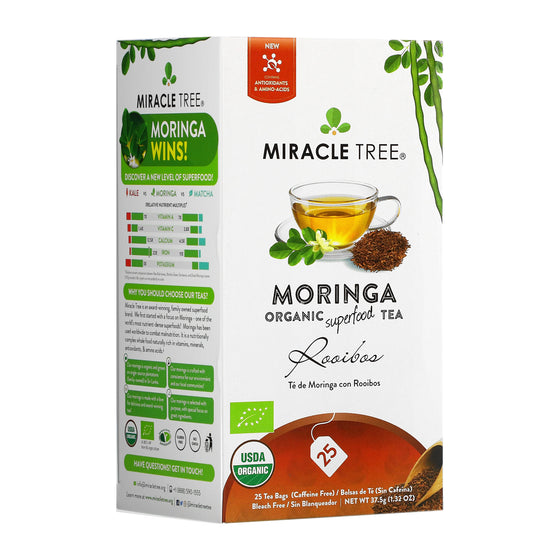
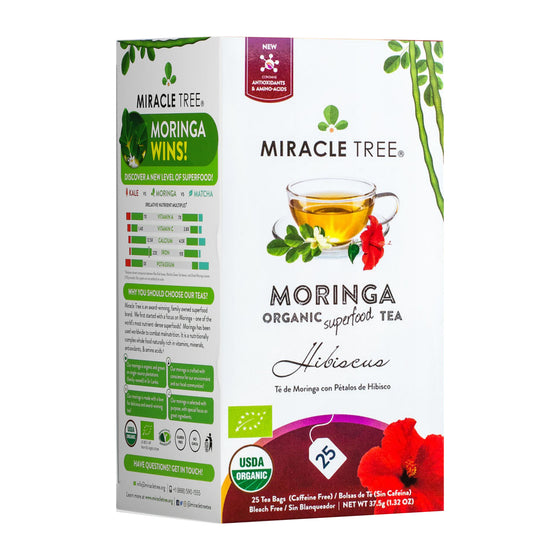
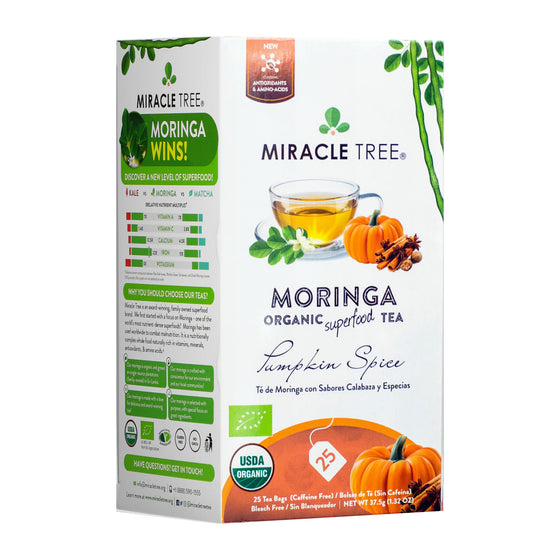
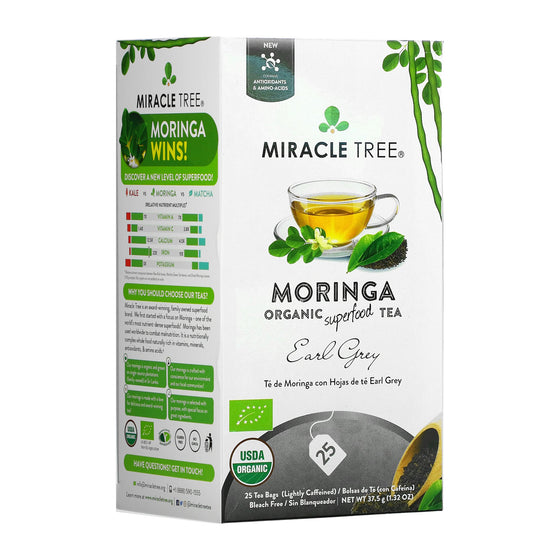
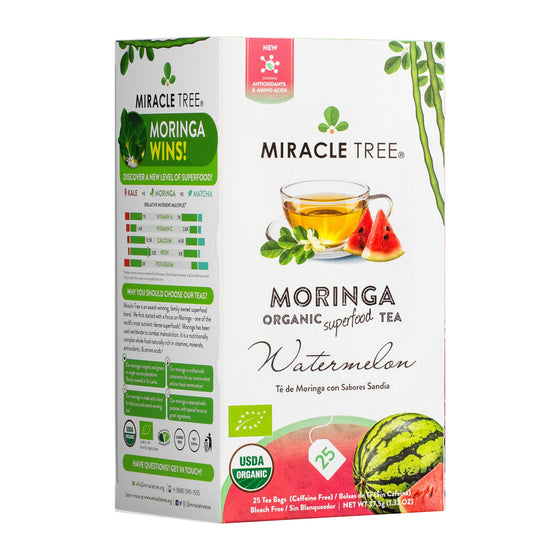
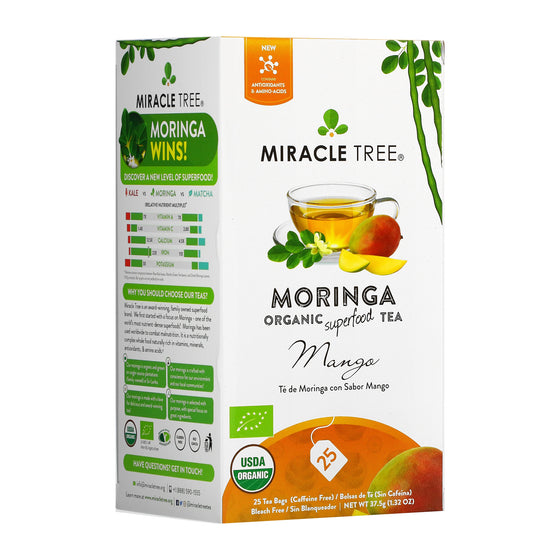
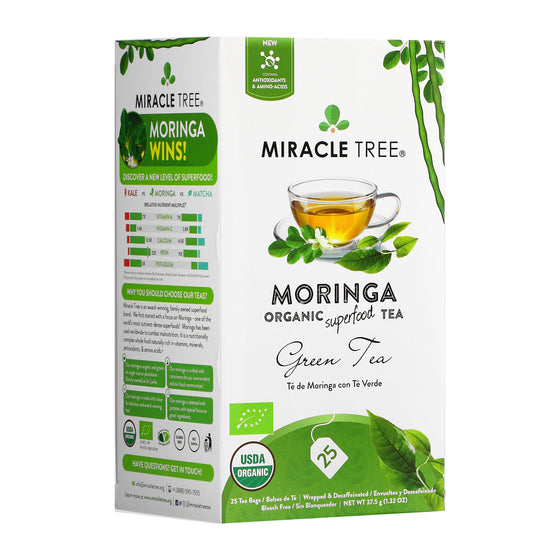
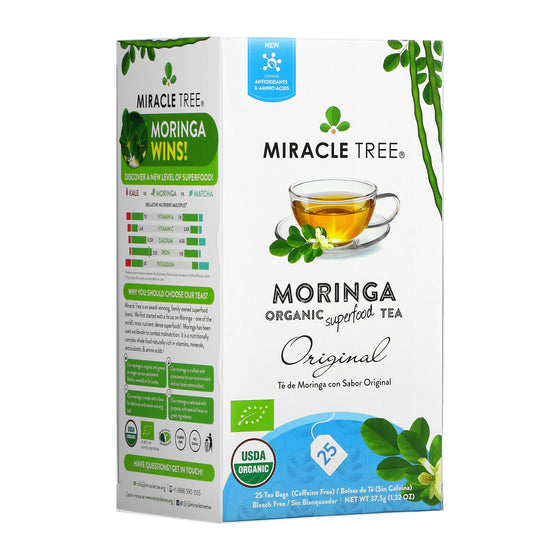
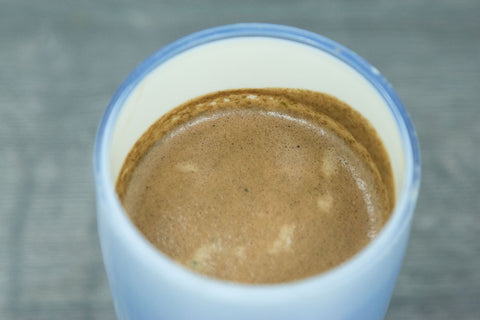
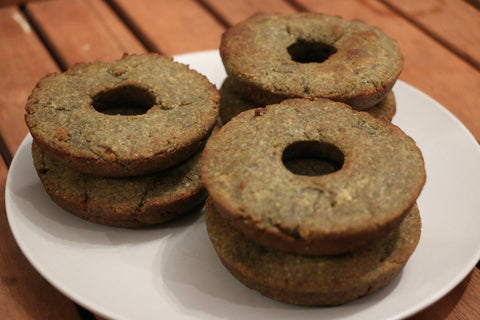

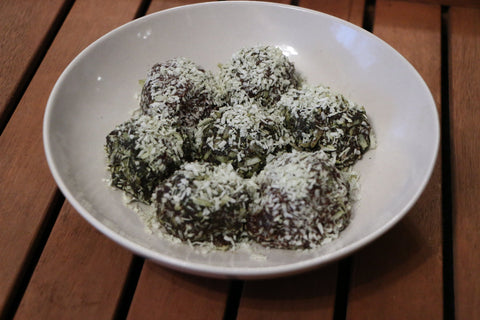

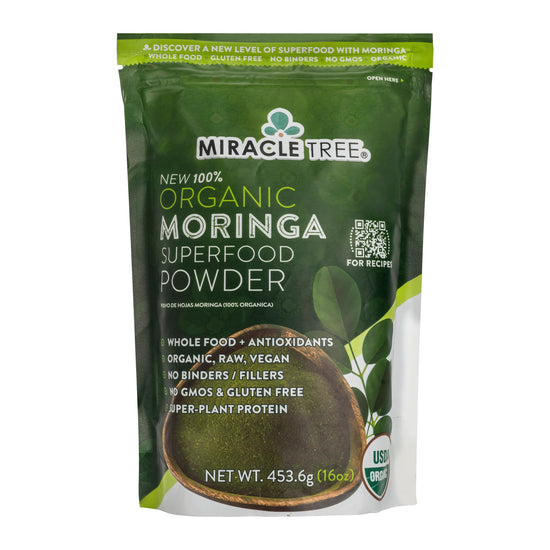
Para smoothies, lattes e receitas de forno. O preço já está com desconto, sem cupom.


Blog da Miracle Tree
Suplementos de inverno: o que a evidência mostra
 Por Kunal Mirchandani
· 5 min de leitura
Five well-studied nutrients, what the evidence actually says, where to find each one in food, and what to check before you buy a bottle.
Winter is coming, and with it shorter days, less fresh produce and more meals eaten in a hurry. It is worth saying clearly at the outset: no supplement is a shortcut to good health, and any product that implies otherwise is overselling. What is more useful is narrower: a few nutrients get harder to come by in the colder months, and a supplement is one way to fill a gap your diet leaves.
So the sensible question is whether you are actually getting enough of them at the time of year when you are least likely to be; here are five worth knowing about.

Start with the basics, not the bottle
Before any of this: sleep, movement and a varied diet matter more than any capsule, and they are the parts most people neglect first in December. Supplements are for filling gaps in an otherwise decent diet - that's the job they're good at.
Vitamin C
Vitamin C is the one everyone reaches for: the body cannot make it or store much of it, so it has to come from food every day.
Where to find it: bell peppers, citrus, kiwi, strawberries, broccoli, Brussels sprouts. The RDA is 75 mg for women and 90 mg for men - a single large orange or half a bell pepper gets you there. Worth knowing: vitamin C is water-soluble, so very high doses are mostly excreted, and above about 2,000 mg a day the main effect is digestive upset.
Vitamin D
Vitamin D is a fat-soluble vitamin that acts more like a hormone than a nutrient, and it's the one with the strongest seasonal case. Your skin makes it from sunlight - specifically from UVB - and above roughly 37 degrees latitude there simply isn't enough UVB in winter sunlight to make any, no matter how long you stand outside. That's why deficiency is common in northern Europe, Canada and the northern United States from October to March.
Vitamin D supports the maintenance of normal bones and normal muscle function.
Where to find it: oily fish (salmon, mackerel, sardines), egg yolks, fortified milk and cereals - but food alone rarely covers it, which is why winter supplementation is widely recommended by public-health bodies. Worth knowing: because it's fat-soluble, it accumulates. Stay within the tolerable upper intake level (4,000 IU/day for adults) unless a blood test and a clinician say otherwise, and take it with a meal containing fat.
Zinc
Zinc is an essential mineral the body uses in many enzymes, and it supports the maintenance of normal skin, hair and nails. It is one of the more common marginal shortfalls worldwide, particularly among older adults and people eating largely plant-based diets.
Where to find it: oysters, red meat, poultry, pumpkin seeds, chickpeas, cashews, whole grains. Worth knowing: sustained high-dose zinc can upset the body's copper balance, so long-term daily megadoses are a bad idea. Keep it to short courses unless advised otherwise.
Curcumin
Curcumin is the main active compound in turmeric, and it accounts for only about 3% of the spice by weight - which is the first thing worth knowing about it. Its antioxidant potential is well documented, and it is among the more heavily researched plant compounds of the last two decades.
The honest caveat is that curcumin is rapidly broken down by the body, which is why laboratory results have been hard to reproduce in people. Formulations often pair it with piperine from black pepper or with fats, and a curry is a more sensible starting point than a supplement aisle.
Where to find it: turmeric, ideally cooked in fat and with black pepper. Worth knowing: curcumin can interact with blood thinners, so check with a pharmacist if you take any.
Moringa
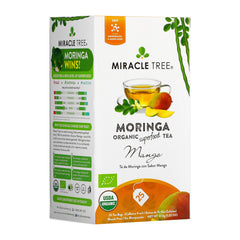
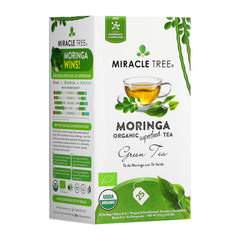
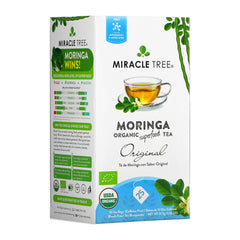
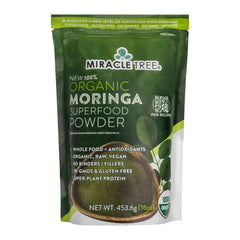
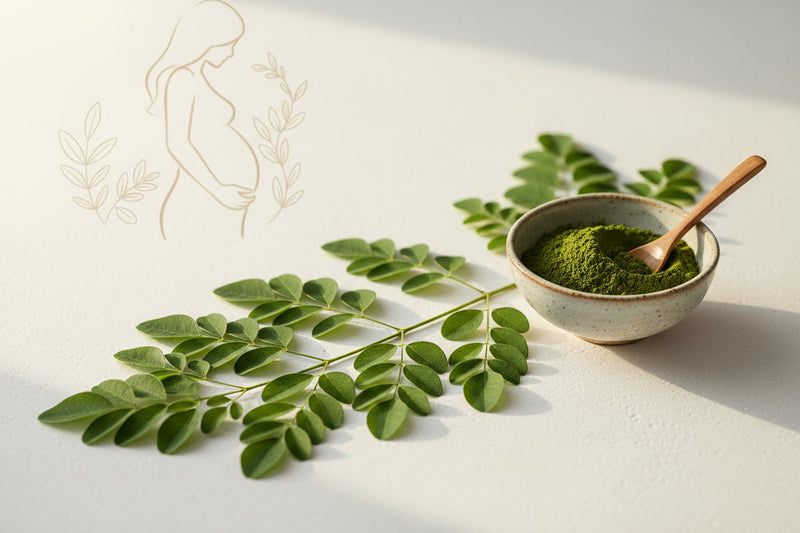
Moringa leaf is the one whole food here: a nutrient-dense dried leaf rather than an isolated nutrient. It's a genuinely broad ingredient: per 100 g of dried leaf, 27.1 g protein, 2,003 mg calcium, 28.2 mg iron and 1,324 mg potassium, plus vitamin E, B vitamins, magnesium and a range of polyphenols, though a serving is only a few grams.
Most research on moringa's bioactive compounds is laboratory-stage, as with curcumin, and it is better read as a reason for further study than as a finished conclusion.
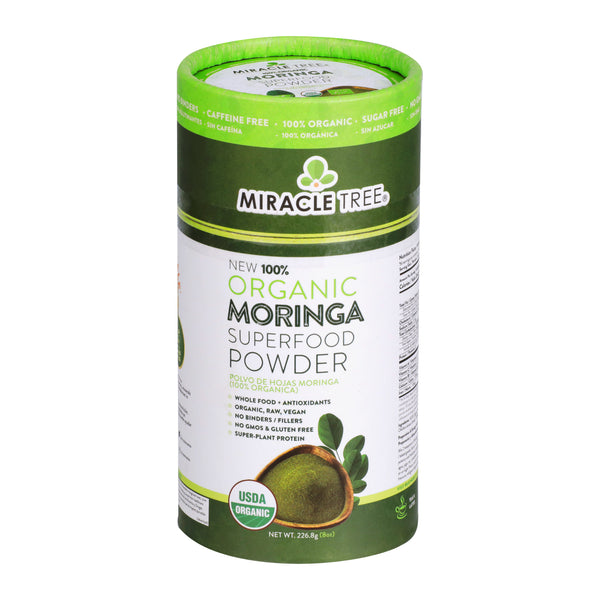
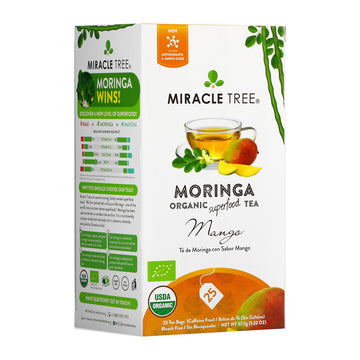
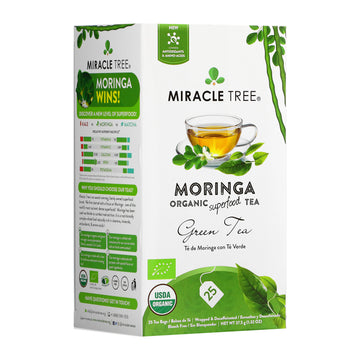
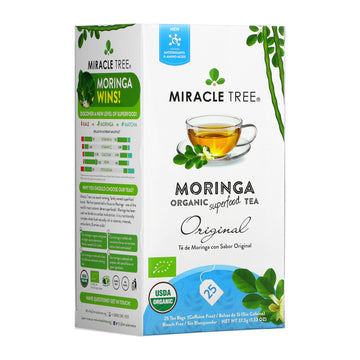
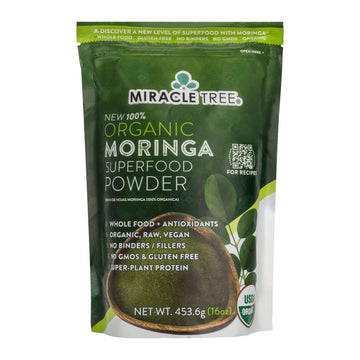
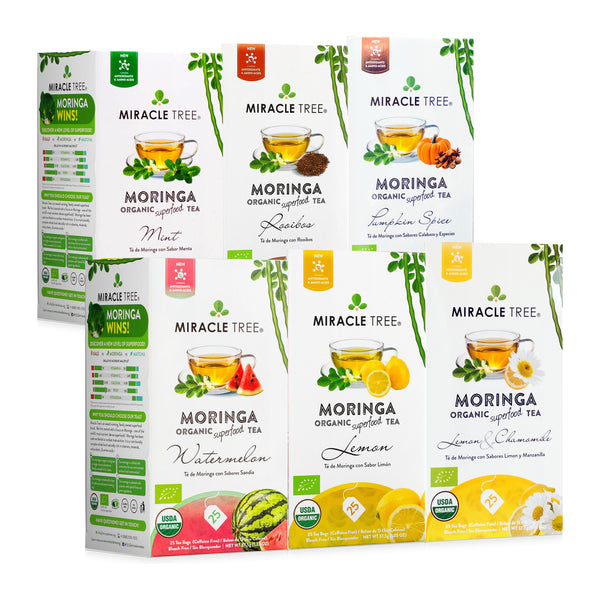
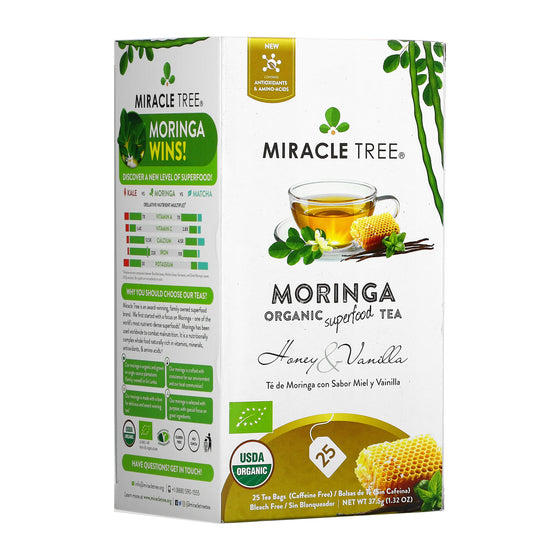
Where to find it: our herbal moringa teas and organic moringa powders, both made from single-origin leaf, hand-picked and solar-dried on family-owned Sri Lankan farms. The herbal range is naturally caffeine-free, which is what makes it an easy thing to drink through a winter evening.
Before you buy anything
- Test before you dose, where you can. Vitamin D is the clear case - a blood test tells you whether you need 1,000 IU or nothing at all.
- Check for interactions. Several of the nutrients above interact with common medications. A pharmacist will check for free.
- More is not better. Fat-soluble vitamins accumulate, and a high dose of one mineral can throw others out of balance.
- Look for third-party testing. Supplements are regulated as food, not as medicine. An independent lab certificate is the only real quality signal on the shelf.
This article is general nutrition information, not medical advice. Talk to a doctor or registered dietitian before starting a new supplement, particularly if you are pregnant, breastfeeding, managing a health condition, or taking medication.
These statements have not been evaluated by the Food and Drug Administration. This product is not intended to diagnose, treat, cure, or prevent any disease.
Lembretes importantes
Lembre-se de sempre consultar o seu profissional de saúde antes de fazer qualquer mudança significativa na sua alimentação. Embora a moringa seja geralmente segura para consumo, é essencial estar atento a possíveis alergias ou interações com medicamentos.


