



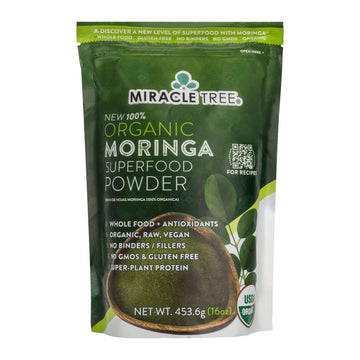
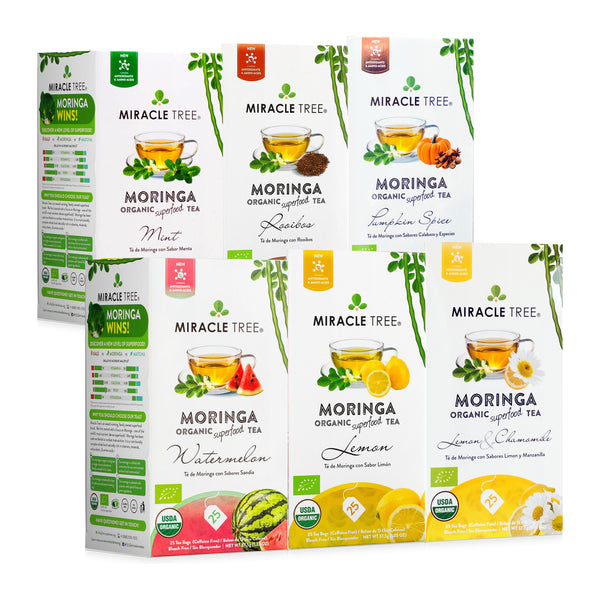


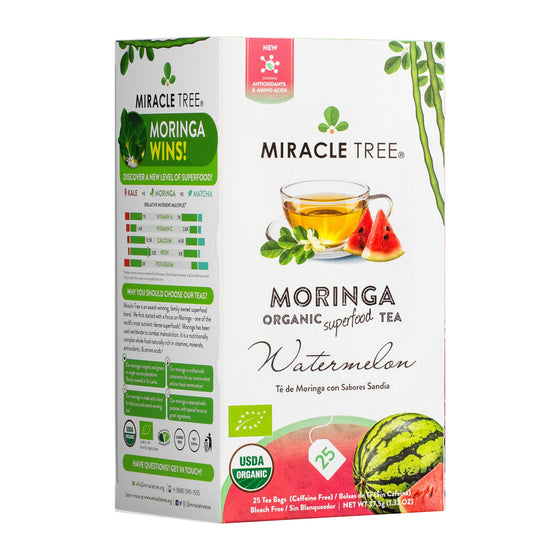
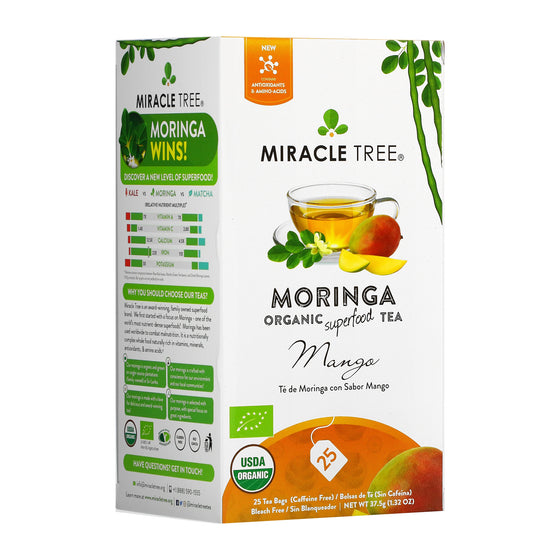
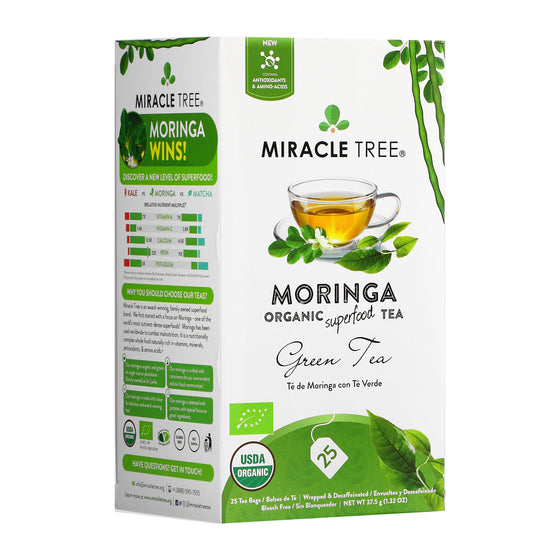
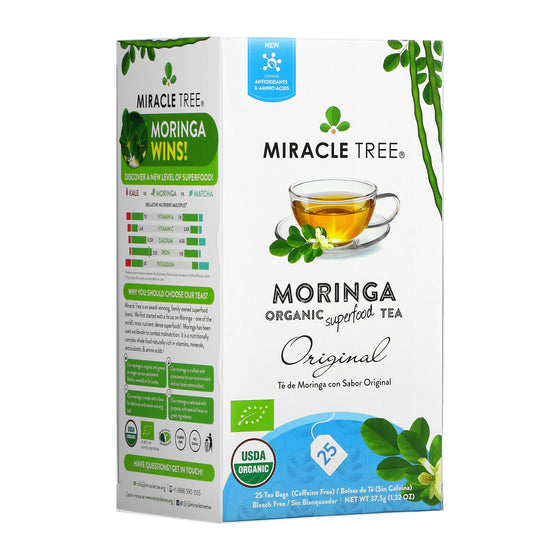
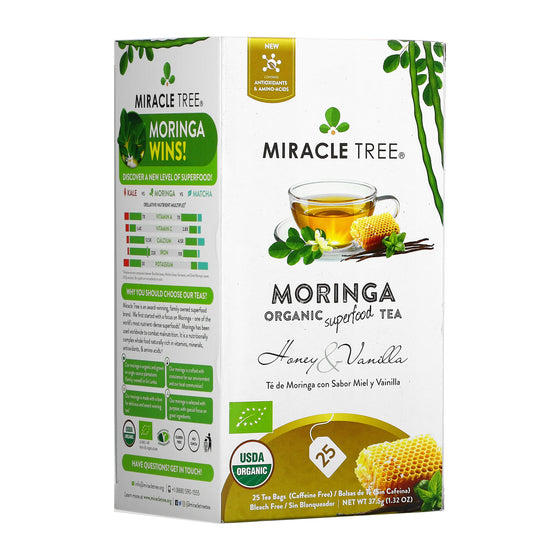
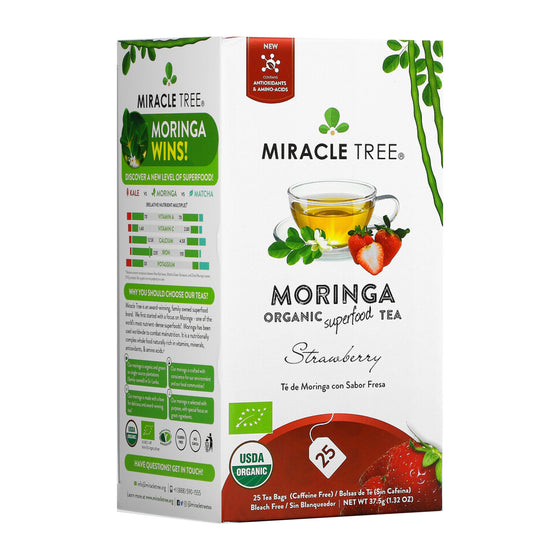
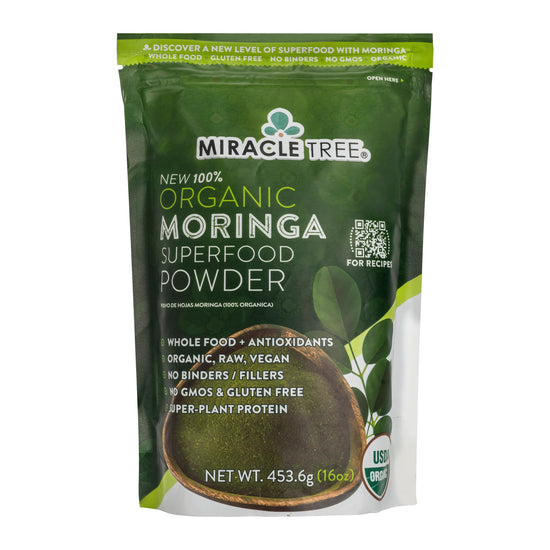
Para smoothies, lattes e receitas de forno. O preço já está com desconto, sem cupom.


Blog da Miracle Tree
O chá de moringa é seguro para quem tem hipertireoidismo?
 Por Kunal Mirchandani
· 10 min de leitura
A science-informed guide for people managing thyroid disease who want real answers — not generic advice.
If you're living with hyperthyroidism, you already know the drill: read every label, question every supplement, and never add anything new to your routine without doing your homework first.
So when moringa tea started appearing on your radar — praised for its nutrition density and antioxidant profile — you did the right thing by pausing to ask: Is this actually safe for me?
This guide gives you a thorough, honest, science-informed answer — including the part of the answer that no article can give you. We'll cover what moringa contains, what is known and unknown about how it interacts with thyroid function, what the research actually says (and doesn't say), and what to bring to your endocrinologist so the two of you can make the call together.
The honest answer: There isn't one that applies to everybody. Thyroid disease is individual, and moringa is a food — not a thyroid medicine, and not something anyone can tell you is safe for your condition from a distance. Moringa leaf contains compounds that researchers have studied in relation to thyroid hormone levels, almost entirely in animals, and it is of interest for how the liver processes some medications. Whether any of that matters for you depends on your labs, your medication and your history. That makes this a conversation for your endocrinologist — before you start, not after.
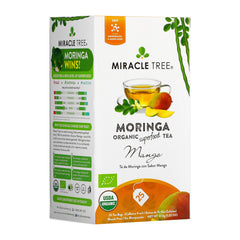
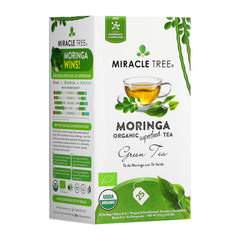
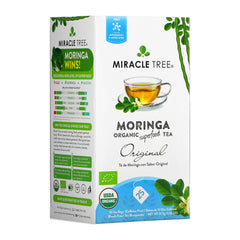
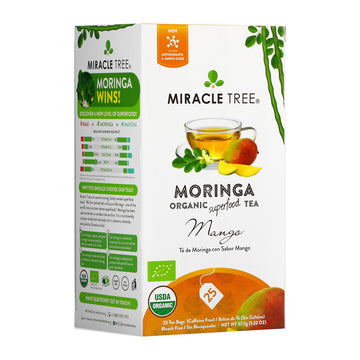
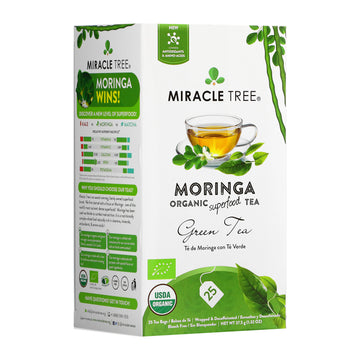
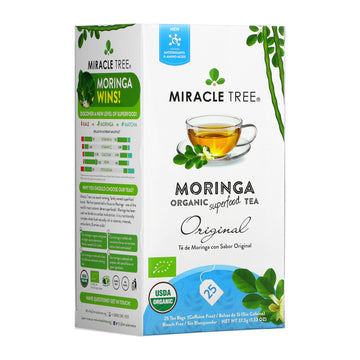
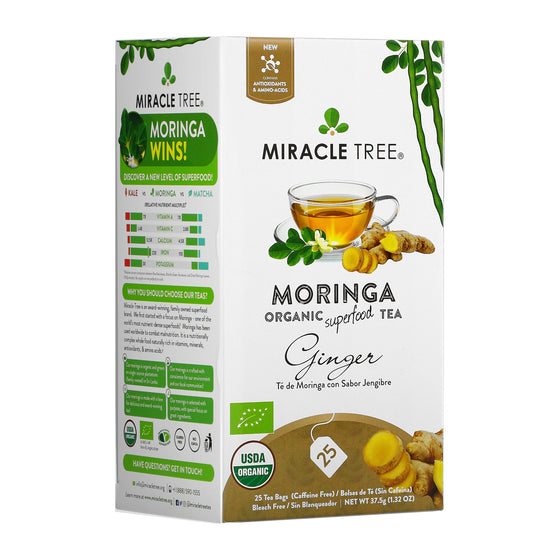
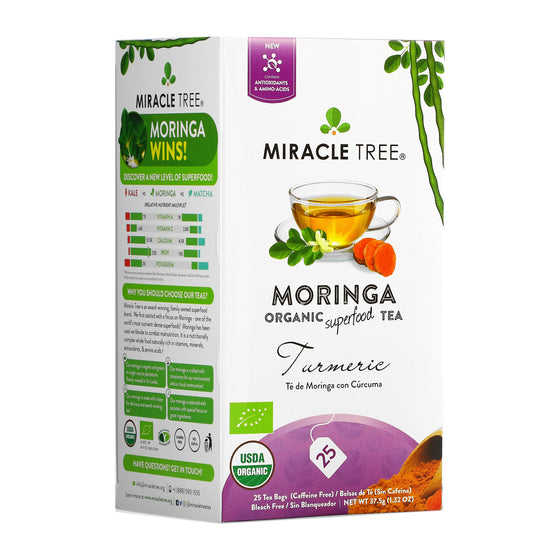
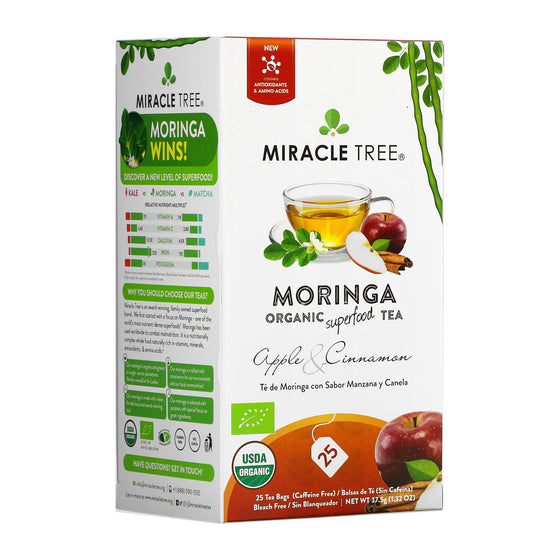
Explore Miracle Tree Organic Moringa Tea — pure, clean, transparently sourced moringa with no additives or fillers. →
What Is Hyperthyroidism? A Quick Primer
Hyperthyroidism occurs when the thyroid gland produces excess thyroid hormones — primarily thyroxine (T4) and triiodothyronine (T3). This overproduction accelerates the body's metabolism and can cause:
- Rapid or irregular heartbeat
- Unexplained drops in body weight
- Anxiety, nervousness, irritability
- Heat sensitivity and excessive sweating
- Fatigue and muscle weakness
- Tremors
- Difficulty sleeping
The most common cause is Graves' disease, an autoimmune condition. Other causes include thyroid nodules, thyroiditis, and excess iodine intake.
Medical management typically involves antithyroid medications (methimazole, propylthiouracil), radioactive iodine therapy, or surgery. Many patients are on long-term medication management.
This context matters because any food, herb, or supplement that interacts with thyroid hormone production or medication metabolism becomes clinically relevant.
What Is Moringa? Nutritional Profile at a Glance
Moringa oleifera — often called the "miracle tree" — is a fast-growing plant native to South Asia and widely cultivated across Africa and Latin America. Its leaves are among the most nutrient-dense of any plant studied.
Gram for gram, dried moringa leaf powder has about 7 times the protein of plain yogurt, 3 times the potassium of bananas, 17 times the calcium of whole milk and 10 times the iron of raw spinach, though a serving is only a few grams.
The leaf also contains polyphenols (quercetin, chlorogenic acid, kaempferol), isothiocyanates (particularly moringin), glucosinolates, B vitamins, vitamin E, zinc, magnesium and selenium.
It's the glucosinolates and isothiocyanates that are most relevant to the thyroid conversation.
The Thyroid Connection: What Science Actually Says
Glucosinolates, Goitrogens, and the Thyroid
Glucosinolates are sulfur-containing compounds found in cruciferous vegetables (broccoli, cabbage, Brussels sprouts) and — in smaller amounts — in moringa. When metabolized, glucosinolates can produce goitrogenic compounds, which are substances that may interfere with thyroid hormone synthesis by inhibiting iodine uptake.
This is the primary concern raised in the context of moringa and thyroid health.
However, context is critical:
- The goitrogenic effect of glucosinolates has been studied mainly in people with iodine deficiency or hypothyroidism (underactive thyroid) — not hyperthyroidism.
- For people with hyperthyroidism, the honest position is that the question is barely researched. You will sometimes see it argued that a mild damping effect would matter less in an overactive thyroid — but that reasoning is speculative, has not been tested in people, and is not a basis for adding anything to a managed condition on your own.
Key takeaway: What work exists on the goitrogen question relates mostly to underactive thyroids. That is not the same as saying moringa has been shown to be fine in hyperthyroidism. It means the question has hardly been asked.
What the Research Has Actually Looked At
A small number of animal studies, mostly in rats, have looked at moringa leaf extract and thyroid hormone levels.
- Researchers in this area have called for human trials before any conclusions are drawn.
Critical caveat: These are animal studies. Human clinical trials on moringa and thyroid function are limited. Extrapolating animal data into conclusions about benefit or risk in people requires significant caution — in both directions.
Moringa has been widely studied, but the evidence in humans remains preliminary for most specific conditions — this one included.
Drug Interaction Risk: Antithyroid Medications
If you are taking methimazole or propylthiouracil (PTU) — the two most common antithyroid medications — the interaction question with moringa is a legitimate clinical one to raise.
Laboratory and animal research on moringa has described effects on CYP450 enzymes, the liver enzyme family that metabolizes many medications.
No large-scale human studies have confirmed a direct harmful interaction between moringa and antithyroid medications — and none have ruled one out either. The theoretical basis for interaction exists, and no supplement or herbal product should be added to a medication regimen without physician review.
Hyperthyroidism vs. Hypothyroidism: Why the Distinction Matters
Most online content conflates these two conditions when discussing moringa and thyroid health. They are opposite conditions requiring opposite management strategies.
| Factor | Hyperthyroidism | Hypothyroidism |
|---|---|---|
| Thyroid activity | Overactive | Underactive |
| Hormone levels | T3/T4 too high | T3/T4 too low |
| Goitrogen concern | Little studied | Higher (may worsen deficiency) |
| Iodine sensitivity | High iodine worsens condition | Iodine deficiency worsens condition |
| Moringa research base | Thin; largely theoretical | Better documented |
For hypothyroid patients, the goitrogenic concern with moringa is more established. For hyperthyroid patients, the open questions are different — primarily medication interactions, and the unpredictability of adding any thyroid-active compound to a system that is already dysregulated and being actively managed.
Practical Guidance: Can You Drink Moringa Tea With Hyperthyroidism?
That decision isn't ours to make, and it isn't one an article can responsibly make for you. What we can do is set out the factors a clinician is likely to weigh, so you arrive at your appointment with the right questions rather than a search history.
⚠️ Factors a Clinician Is Likely to Weigh
- Whether your condition is currently active or stable, and any recent medication change
- Graves' disease that is currently active
- Your full list of supplements and herbal products
- Pregnancy (hyperthyroidism in pregnancy requires strict management)
❌ What to Avoid Without Medical Supervision
- High-dose moringa supplements (capsules, concentrated extracts)
- Products with added iodine, kelp, or bladderwrack
- Assuming moringa is "just a tea" and therefore risk-free

If You Are Thinking About Trying It
How much, how often and whether at all are questions for your endocrinologist, not for this article.
If your doctor agrees to a trial, note any changes in how you feel, including heart rate and sleep, and report them rather than interpreting them yourself.
Choose clean, pure moringa: Product purity matters enormously in a medical context. Miracle Tree Organic Moringa Tea is made from 100% pure moringa leaves — no fillers, no additives, no hidden ingredients. That transparency is what lets your doctor know exactly what you're drinking.
Ask about timing: Ask your pharmacist or doctor how to time any herbal tea around your thyroid medication.
Track your labs: If you add moringa to your routine, note the date and discuss any changes in your next thyroid panel with your doctor.
Don't use moringa as a substitute for care: Moringa is a nutritional food, not a thyroid medication. It should never be used in place of prescribed therapy, or as a way to manage hyperthyroidism on your own.
Common Myths About Moringa and Thyroid Health
Myth: "Moringa fixes thyroid disease."
Fact: No food or herb resolves hyperthyroidism. Moringa has shown thyroid-related activity in animal studies only. It is not a therapy, and it is not a replacement for one.
Myth: "Moringa is dangerous for all thyroid patients."
Fact: The evidence does not support a blanket rule in either direction. What is known varies by condition type, dose, product purity, and individual health status — which is precisely why the decision has to be an individual one.
Myth: "If it's natural, it's safe."
Fact: Many natural compounds interact with medications and physiological systems. Natural does not mean risk-free, especially in a medical context.
Myth: "Moringa tea has the same risk as moringa extract supplements."
Fact: Tea preparations are significantly more dilute than concentrated extracts or capsules. Dose matters.
Myth: "Goitrogenic foods are always bad for thyroid patients."
Fact: Goitrogenic effects have been studied mostly in iodine-deficient hypothyroid patients. For hyperthyroid patients the clinical picture is different — and much more thinly researched.
Practical Points
- Treat moringa as a food, not a supplement, when a thyroid condition is in the picture.
- Tell your care team about every supplement and herbal product before adding it.
- Focus on product quality: impure or adulterated products carry higher risk.
(Background reading on the condition: Mayo Clinic — Hyperthyroidism)
FAQ: Moringa Tea and Hyperthyroidism
Q: Can moringa tea make hyperthyroidism worse?
A: Honestly, nobody knows. The question has not been studied in people in any depth, so there is neither evidence of harm nor evidence of safety to point you to. Because moringa contains bioactive compounds that have shown thyroid-related activity in animal research, medical supervision is the sensible default.
Q: Does moringa contain iodine?
A: Moringa leaves contain trace amounts of iodine, but not at levels considered clinically significant for most people. It is not an iodine-rich food like seaweed or kelp.
Q: Is moringa powder safer or riskier than moringa tea for thyroid patients?
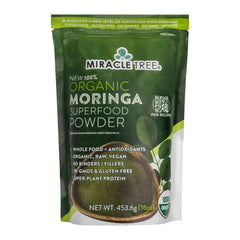
A: Moringa powder is more concentrated than tea, so a spoonful of powder contains more of the leaf than a cup of tea. If you have hyperthyroidism, ask your doctor about either form before you try it.
Q: Can I drink moringa tea while on methimazole?
A: This is a question for your prescribing physician. Theoretical CYP450 interactions exist, but no confirmed clinical interaction has been documented in human trials.
Q: Does moringa tea contain caffeine?
A: All our herbal flavours except Green Tea and Earl Grey contain none at all — pure moringa leaf is naturally caffeine-free. Green Tea is decaf, with only a trace of caffeine, and Earl Grey is low caffeine. This matters if you have hyperthyroidism, since stimulants can aggravate palpitations. See the full per-flavour caffeine table.
Q: How much moringa tea is safe per day?
A: For healthy adults, 1–2 cups per day is a commonly cited moderate range. For a thyroid condition there is no established figure, and we won't invent one — that number should come from your doctor, alongside your monitoring schedule.
Q: Is Miracle Tree moringa tea organic and additive-free?
A: Yes. Miracle Tree Organic Moringa Tea is USDA Organic certified and made from pure moringa leaves with no additives, fillers, or artificial ingredients.
Summary: What You Need to Know
- Moringa contains glucosinolates and isothiocyanates that have shown thyroid-related activity in animal research
- Human data is limited
- The goitrogen question is better documented for hypothyroid patients; for hyperthyroidism it is largely unstudied
- Medication interactions (CYP450, antithyroid drugs) are a legitimate question for physician review
- Always consult your endocrinologist before adding moringa to your routine
Explore all 20 organic moringa tea flavours →
Learn more about what moringa is and where it comes from →
What does moringa tea actually taste like? →
Questions about wholesale or retail? Contact our team →
This article is general information, not medical advice, and it is not a substitute for consultation with your endocrinologist or physician. These statements have not been evaluated by the Food and Drug Administration. This product is not intended to diagnose, treat, cure, or prevent any disease.
Lembretes importantes
Lembre-se de sempre consultar o seu profissional de saúde antes de fazer qualquer mudança significativa na sua alimentação. Embora a moringa seja geralmente segura para consumo, é essencial estar atento a possíveis alergias ou interações com medicamentos.


