




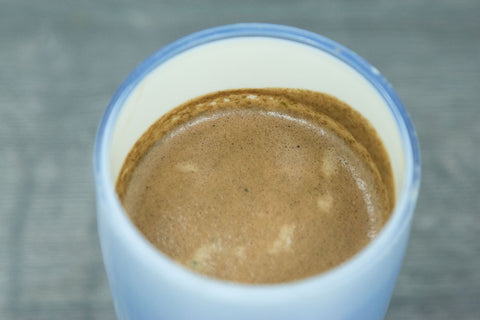
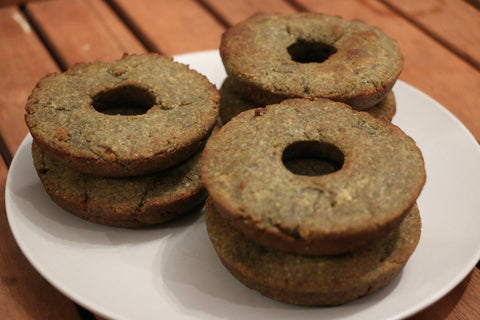
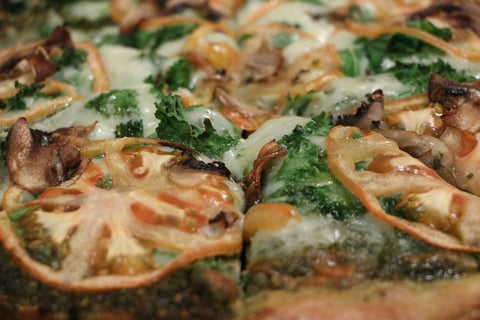
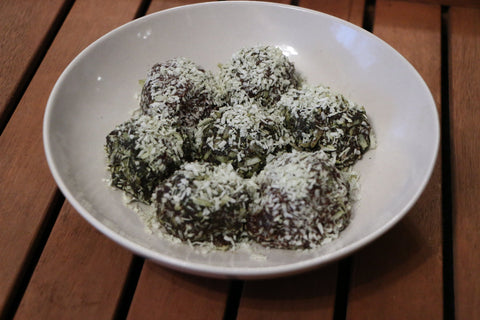

Para smoothies, lattes e receitas de forno. O preço já está com desconto, sem cupom.


Blog da Miracle Tree
Moringa and Pregnancy: What to Ask Your Healthcare Provider
 Por Kunal Mirchandani
· 4 min de leitura
Moringa and pregnancy: what to ask your healthcare provider. Here’s what the plant is, which part of it goes into our tea, and why the answer for you belongs to your midwife or obstetrician.
We are not recommending moringa, or any herbal tea, during pregnancy. Please ask your healthcare provider (doctor, midwife or obstetrician) before adding it.
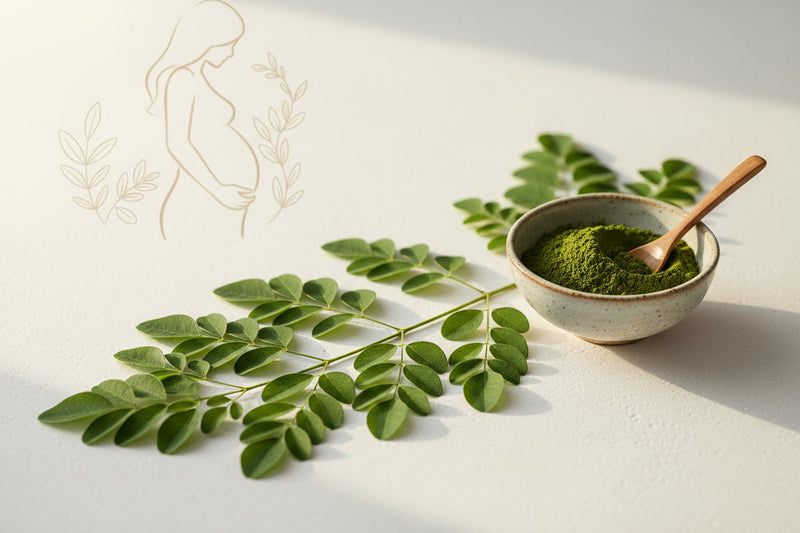
Moringa has been eaten as a leafy green for generations across South Asia, Africa and the Caribbean — in many of those places it is an everyday food rather than a supplement. But can pregnant women take moringa? The honest answer is that this is a question for your obstetrician or midwife, not for a blog.* It is worth asking them, too, because pregnancy is exactly the situation in which a general answer is the wrong kind of answer. What we can tell you is what the plant is, and what researchers have looked at. It is only the moringa leaves that are eaten as a food. The root, bark, flowers and concentrated seed extracts are a different matter altogether: they carry compounds that are traditionally avoided in pregnancy, including ones associated with uterine contraction, and they are not something to experiment with. Moringa leaves, on the other hand, are packed with essential vitamins, iron, fiber and protein.

Caffeine and a warm cup
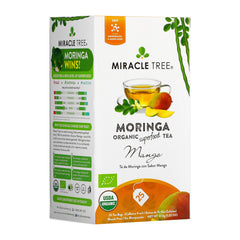
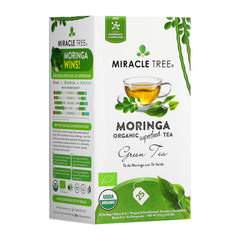
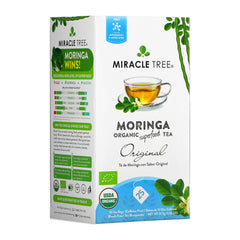
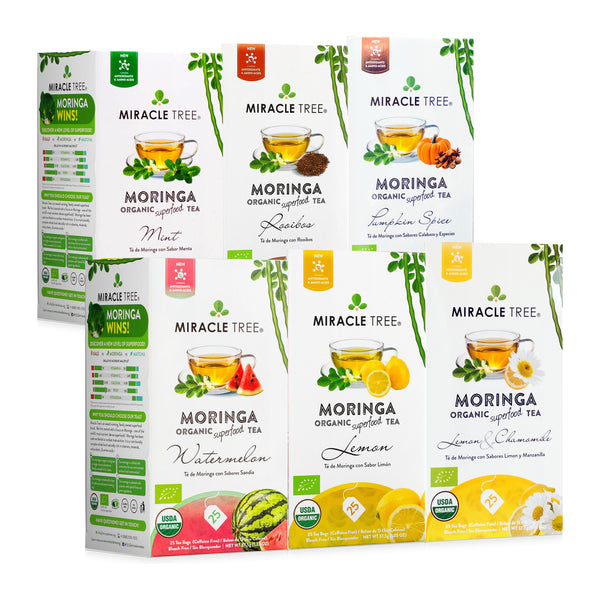
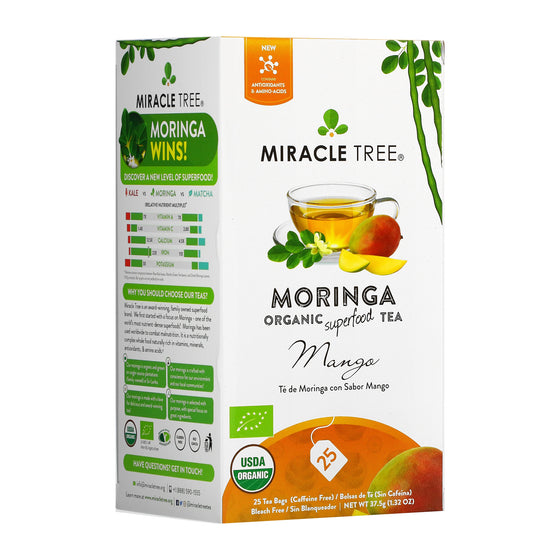
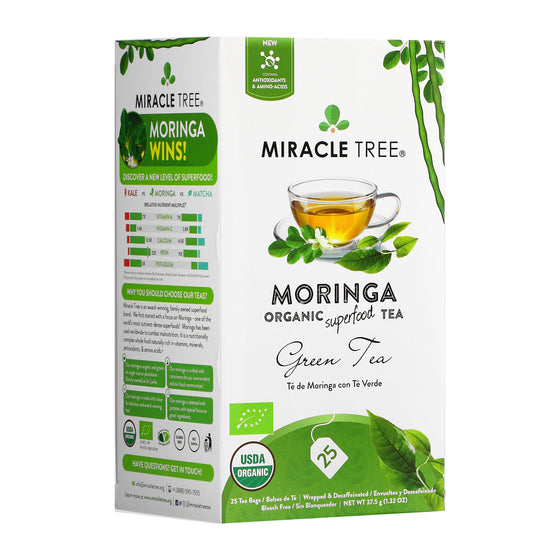
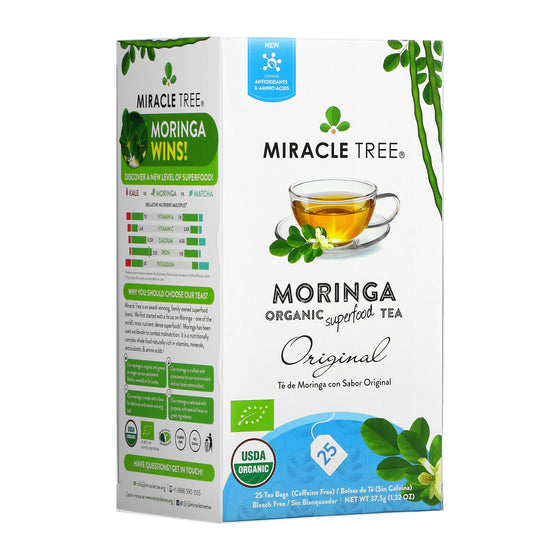
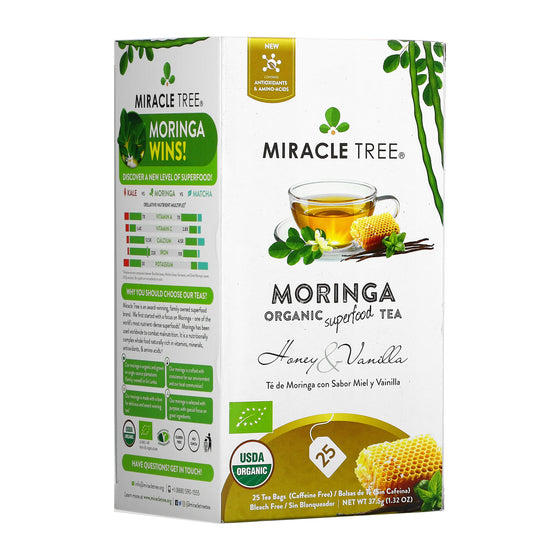
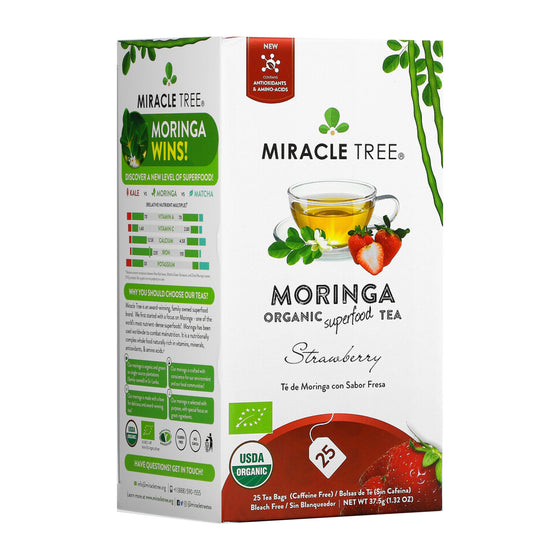
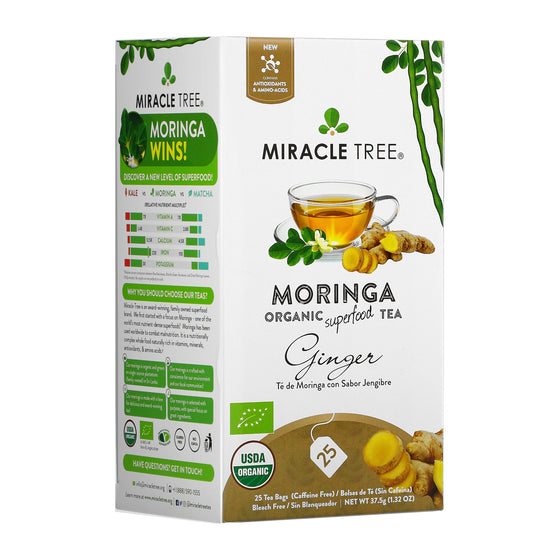
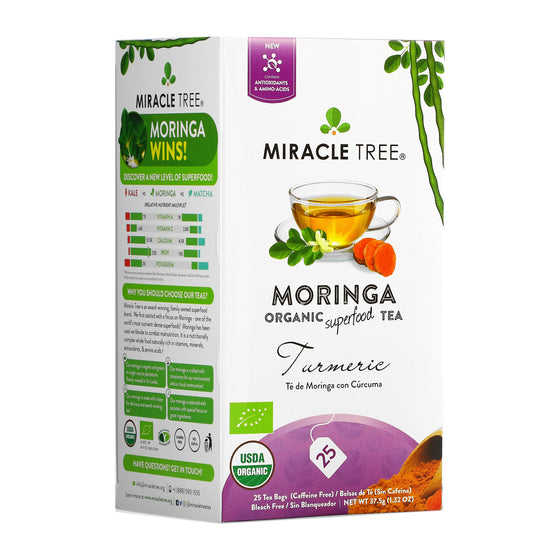
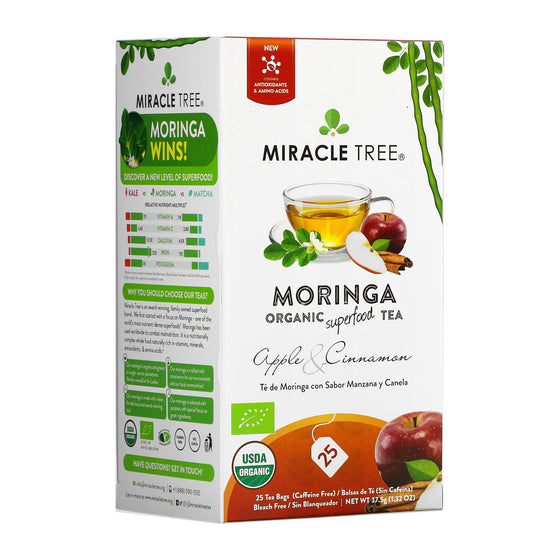
Moringa leaf tea is naturally caffeine-free; how much caffeine suits you in pregnancy is a question for your healthcare provider. The concern around coffee is that babies in the womb do not have the ability to metabolize caffeine the way adults do — your own midwife will give you a figure to work to. You can choose your favorite flavors from our range of herbal moringa teas.
Some people enjoy a warm cup as a quiet daily ritual; that is a matter of routine and taste, not a claim about stress or mood. If low mood or anxiety in pregnancy is weighing on you, please raise it with your midwife or doctor — it is common, and it is something they can actually help with.
Moringa leaves are a source of fiber
Moringa leaves contain dietary fiber. Fiber is a normal part of a balanced diet, and moringa leaf is also a source of B vitamins. Those are nutrition facts rather than promises about how you will feel, and persistent digestive discomfort in pregnancy is always worth mentioning at your next appointment. Moringa leaf has also been the subject of laboratory work — including a 1995 laboratory study of moringa leaf extract — genuinely interesting to scientists, and a long way from anything you should expect from a cup of tea.
Moringa leaf is a source of iron and other nutrients
Good nutrition matters in pregnancy, which is why iron comes up so often at antenatal appointments. Moringa leaf contains iron, which is a nutrition fact about the leaf and not a recommendation; iron needs in pregnancy, and any supplement, are decided with your care team and their blood tests. Moringa holds real nutritional value; what it does not do is replace the supplement, the monitoring or the advice you have been given. Related: Can I Drink Moringa Tea While Breastfeeding?
How can pregnant women add moringa to their diet?
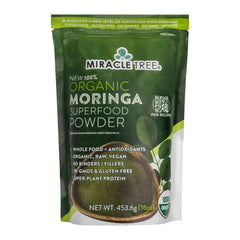
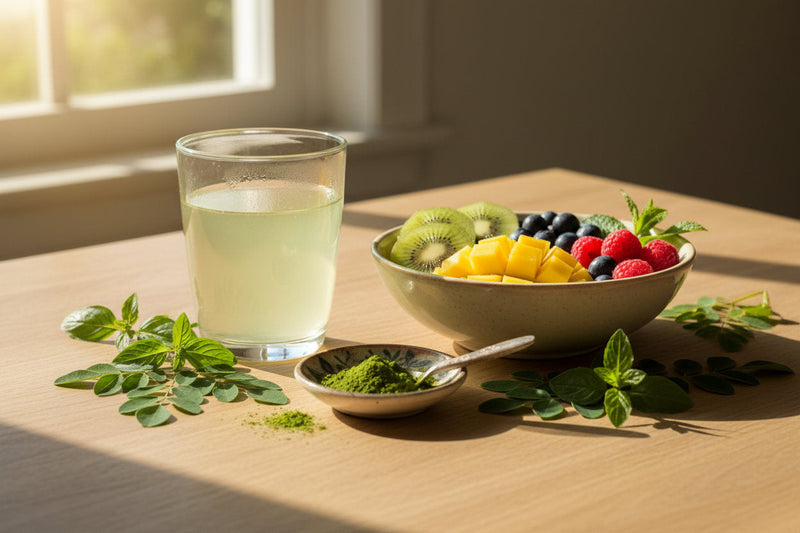
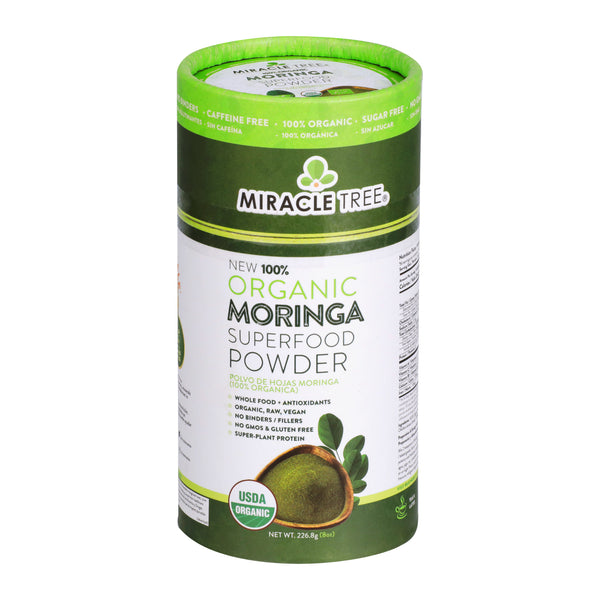
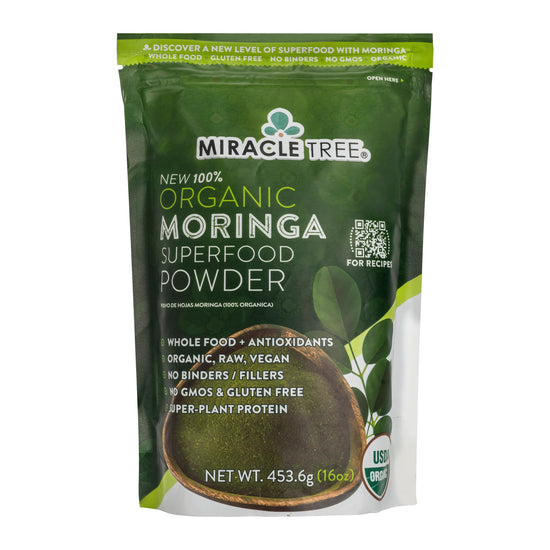
At Miracle Tree, our products are made from 100% organic (dried) leaf moringa — leaf only, never root or bark. From moringa powders to award-winning moringa teas, here are some simple ways to enjoy this nutritionally exceptional superfood, once you and your clinician have agreed it belongs in your diet:
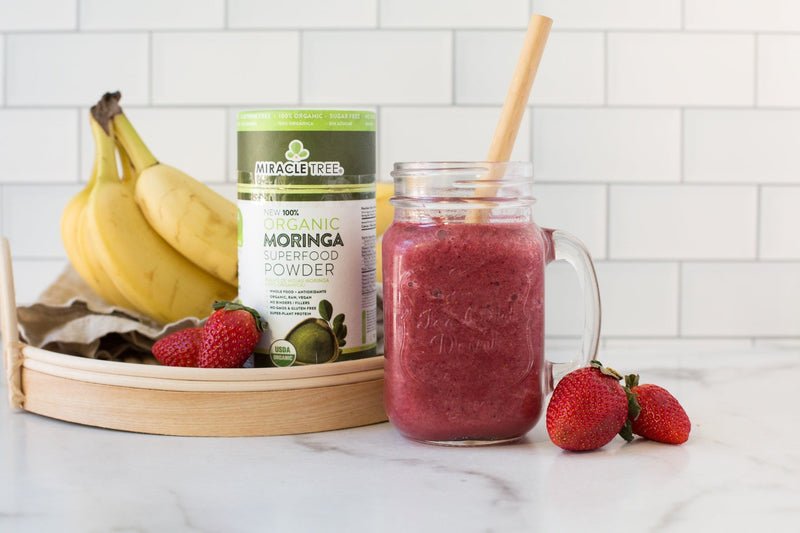
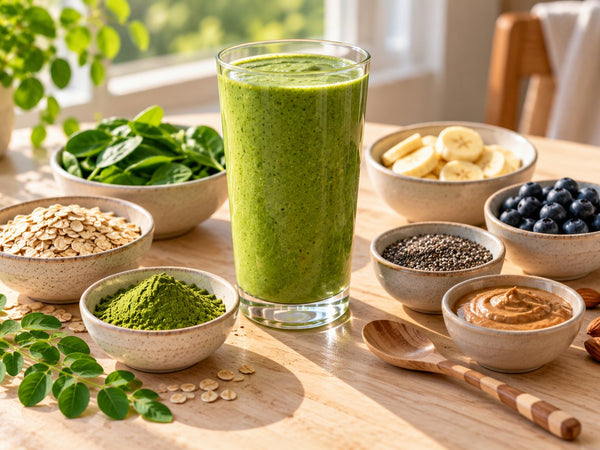
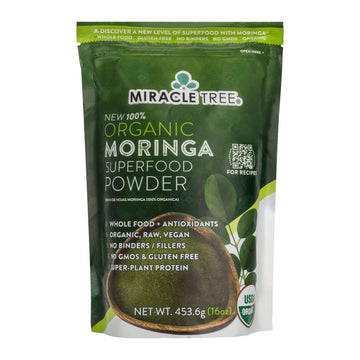
- Add our moringa powder to shakes, smoothies and yogurt
- Mix powder with other ingredients to make salad dressings
- Stir into soups
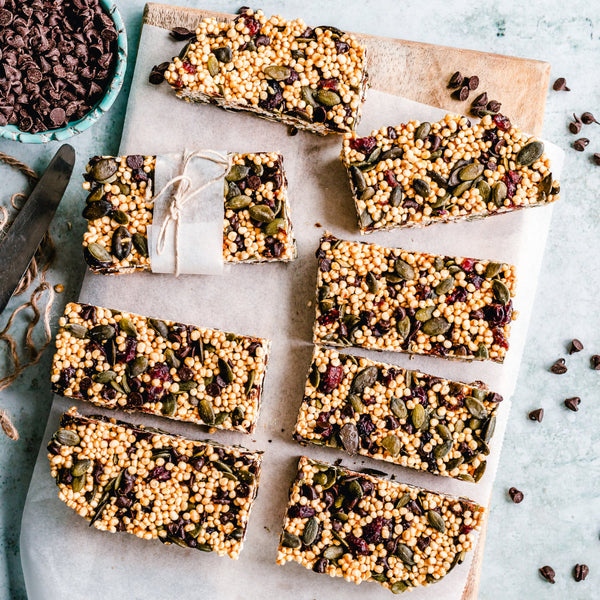
- Put in baked goods
- Add to pasta sauce or pesto
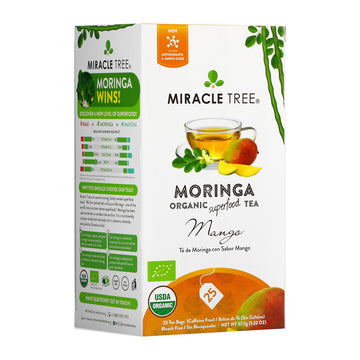
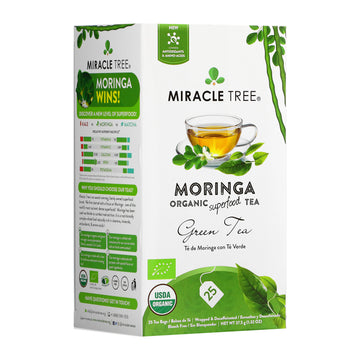
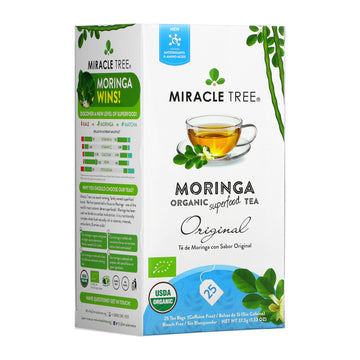
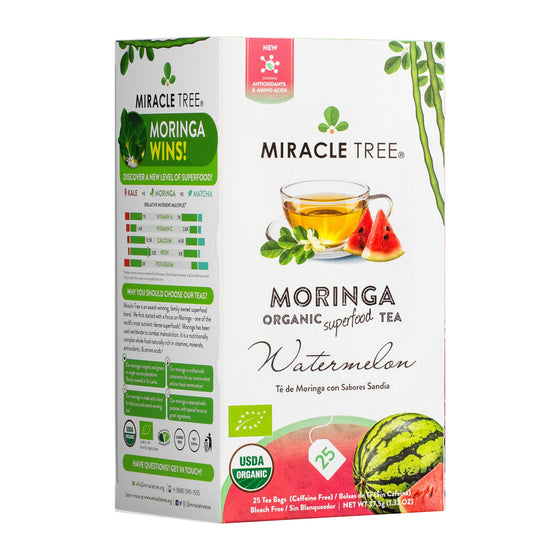
- Try Miracle Tree’s high-quality herbal moringa teas
These statements have not been evaluated by the Food and Drug Administration. This product is not intended to diagnose, treat, cure, or prevent any disease.
Lembretes importantes
Lembre-se de sempre consultar o seu profissional de saúde antes de fazer qualquer mudança significativa na sua alimentação. Embora a moringa seja geralmente segura para consumo, é essencial estar atento a possíveis alergias ou interações com medicamentos.


