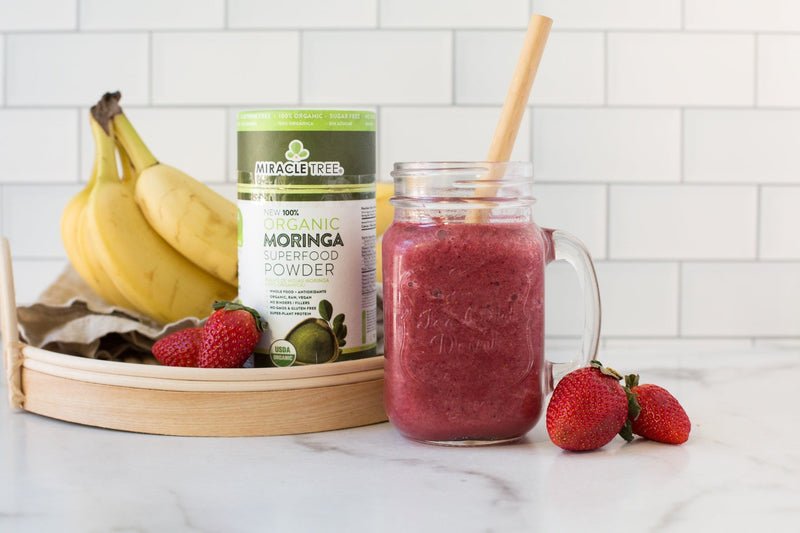

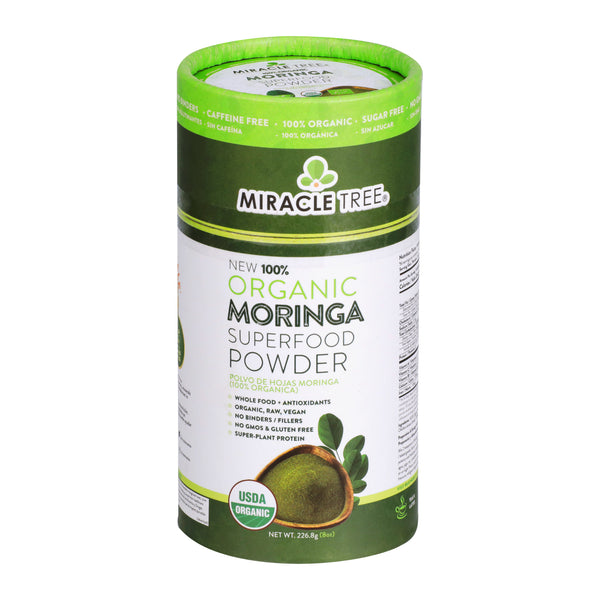




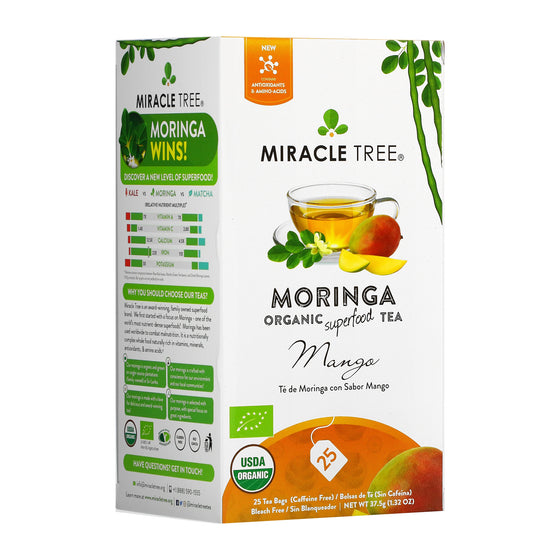
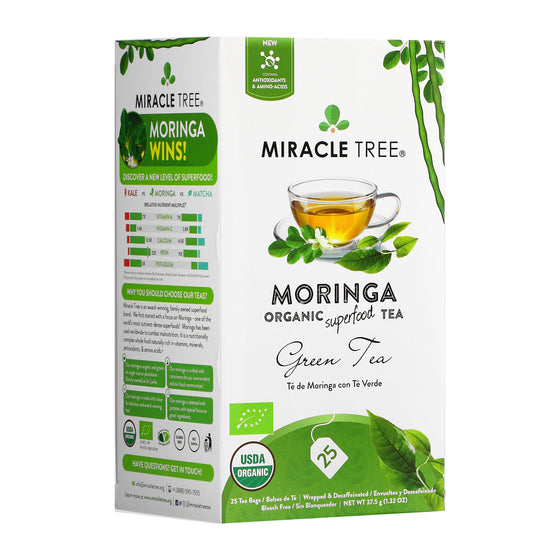
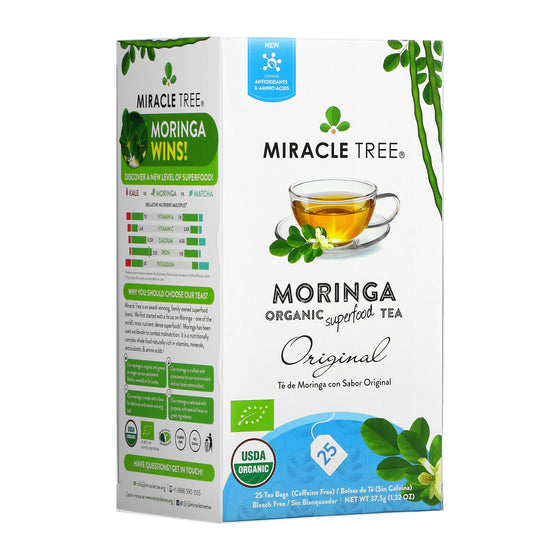
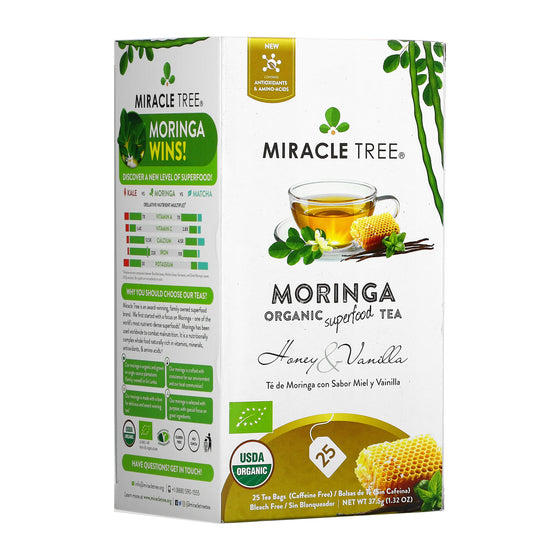
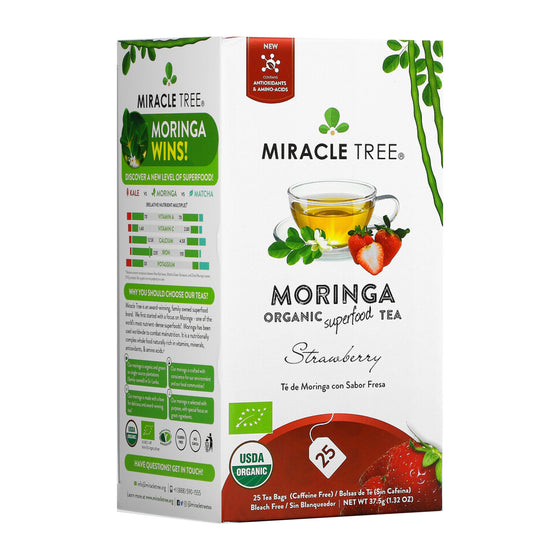
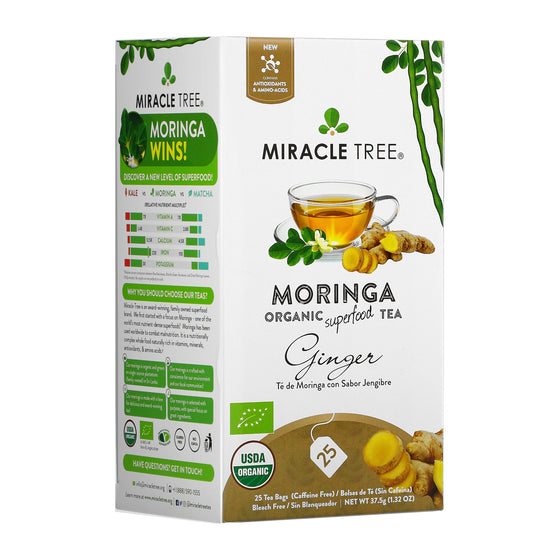
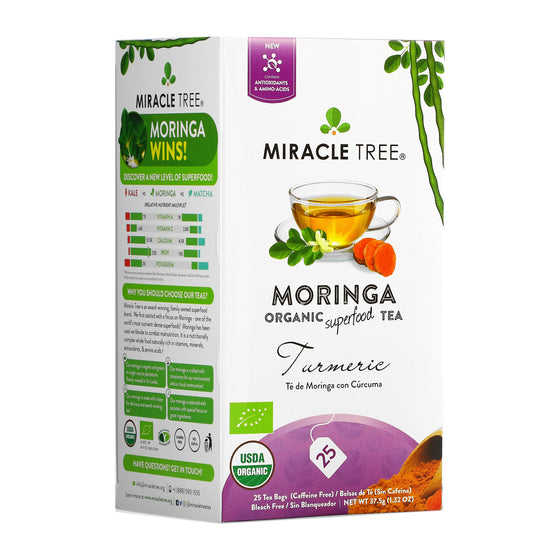
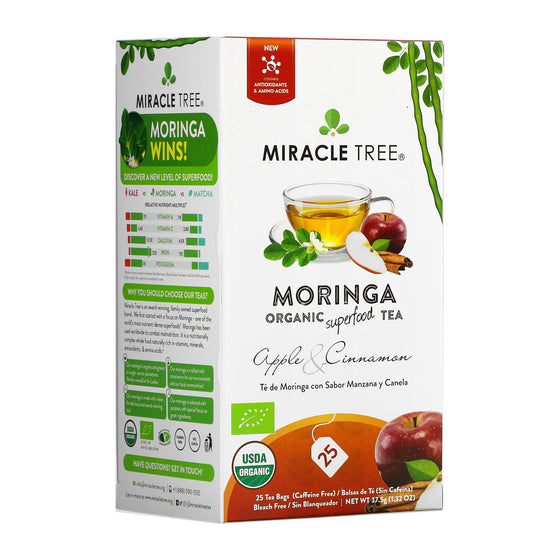

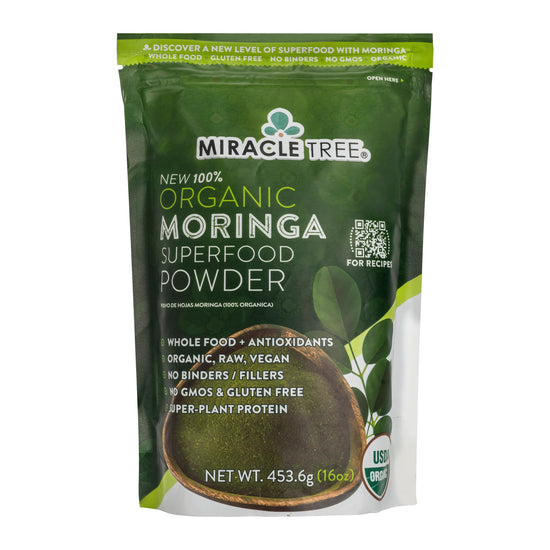
Para smoothies, lattes e receitas de forno. O preço já está com desconto, sem cupom.


Blog da Miracle Tree
Moringa e pressão arterial: o que você deve saber
 Por Kunal Mirchandani
· 4 min de leitura
Chás de ervas de moringa: Comprar agoraHigh blood pressure is common, largely silent, and managed with a doctor. Here is what it actually is, what the evidence-based advice around it looks like, and where a nutrient-dense leafy green like moringa does and does not fit.
What is high blood pressure?
High blood pressure, also known as hypertension, is a health condition where the blood's long-term push against your artery walls is so severe that it may eventually result in health issues, including heart disease. It is a very common condition; according to the United States Preventive Services Task Force (USPSTF), about 45% of adults in the country have high blood pressure.
What are the symptoms of high blood pressure?
People with high blood pressure often don’t experience any symptoms, which is why hypertension is called the “silent killer.” However, if your blood pressure reaches about 180/120 mm Hg, you may experience these symptoms:
- Headache
- Nausea
- Vomiting
- Dizziness
- Blurred or double vision
- Nosebleeds
- Heart palpitations
- Breathlessness
If you experience any of these symptoms, seek immediate medical attention.
What are the causes of high blood pressure?
For the majority of adults, high blood pressure has no known cause. It often develops gradually over several years. However, people with the following conditions are more susceptible to high blood pressure:
- Obesity
- Type 2 diabetes
- Kidney disease
- Obstructive sleep apnea
- Lupus
- Scleroderma
- Underactive or overactive thyroid
- Congenital conditions, such as Cushing’s syndrome, acromegaly or pheochromocytoma

What do doctors say about eating patterns and blood pressure?
Diet is one of several factors your doctor will look at when discussing blood pressure. The National Heart, Lung and Blood Institute (NHLBI) publishes the DASH (Dietary Approaches to Stop Hypertension) eating plan; ask your doctor whether it suits you. The diet includes lots of fruits, veggies and low-fat dairy products. Whole grains, fish, poultry, legumes, seeds, nuts and vegetable oils are also included. Moringa is another nutrient-dense leafy green that fits comfortably into an eating pattern like that one.
What do we know about moringa and blood pressure?
So where does moringa fit into all of this? More modestly than the internet usually suggests, and that is worth saying plainly: moringa is a food, not a medicine, and adding it to your diet is not a substitute for anything your doctor has prescribed or advised. What it does offer is nutrition. Moringa leaves have been eaten as an everyday green for centuries, and they are rich in potassium, calcium, magnesium and a long list of vitamins. Gram for gram, dried moringa leaf has about 3 times the potassium of bananas (1,324 mg per 100 g), though a serving is only a few grams.
Moringa leaf is a natural source of calcium, magnesium, potassium, zinc and vitamin E — it has also been examined in a 2019 rat study of moringa leaf extract. Calcium, for instance, is needed for the normal contraction and relaxation of smooth muscle, including the muscle in the walls of your blood vessels. Dietitians will generally point you towards food rather than a pill for it, simply because food brings the rest of the nutrient package along with it. Moringa leaf powder can sit alongside dairy, leafy greens, beans and fortified foods as one of several everyday calcium sources rather than as a replacement for any of them.
What should you know about high blood pressure and moringa consumption?
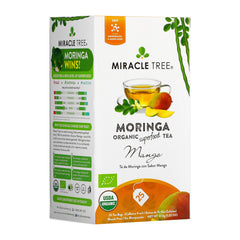
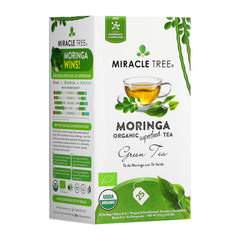
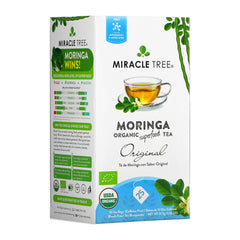
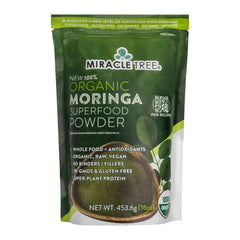
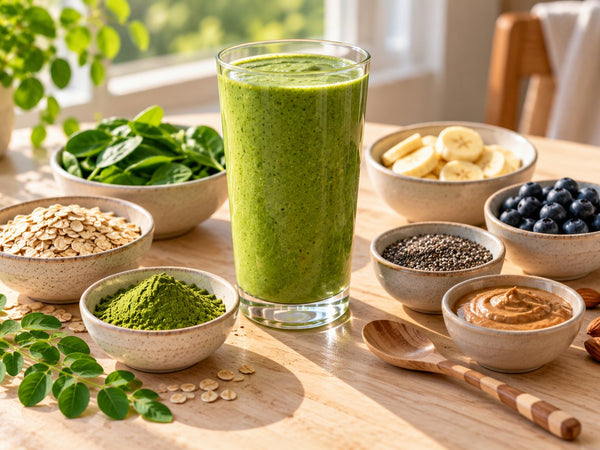
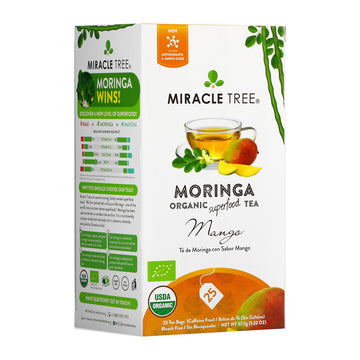
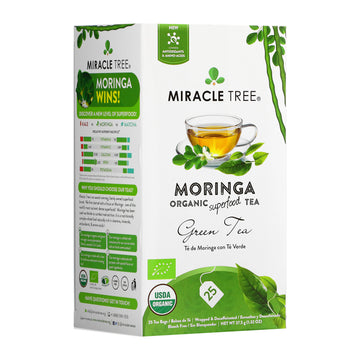
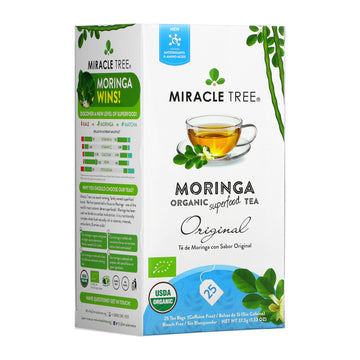
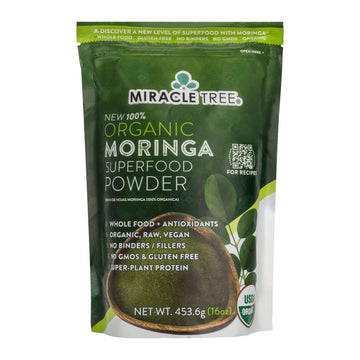
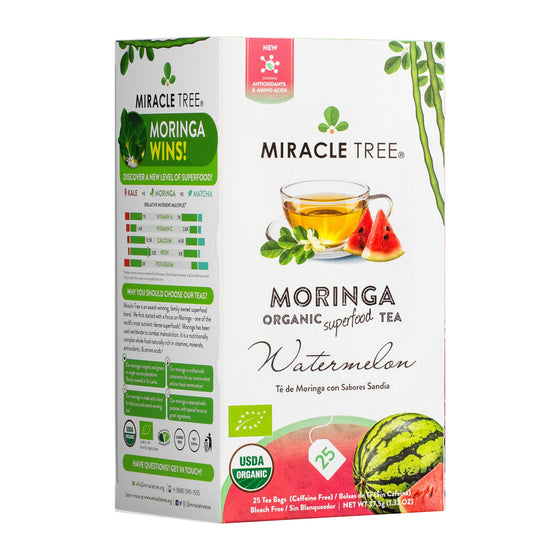
If you are already living with high blood pressure, this is the part of the page that matters most: talk to your doctor or pharmacist before adding moringa, or any other herbal product, to your routine. That goes double if you take blood pressure medication, where a new daily addition to your diet is a conversation worth having rather than an experiment worth running on your own, and it is never a reason to stop or change a prescription. With that settled, moringa is a nutritious food and an easy one to work into a normal week. You can eat fresh moringa leaves or use moringa powder. Made from dried and ground moringa leaves, the powder has a mild flavor with a slightly earthy taste. You can add it to your smoothies or salads or enjoy a cup of freshly brewed moringa tea.
These statements have not been evaluated by the Food and Drug Administration. This product is not intended to diagnose, treat, cure, or prevent any disease.
Lembretes importantes
Lembre-se de sempre consultar o seu profissional de saúde antes de fazer qualquer mudança significativa na sua alimentação. Embora a moringa seja geralmente segura para consumo, é essencial estar atento a possíveis alergias ou interações com medicamentos.


