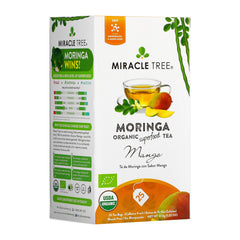
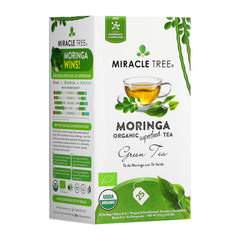
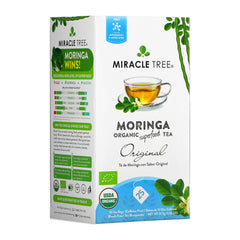
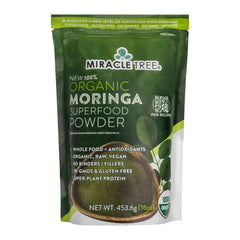





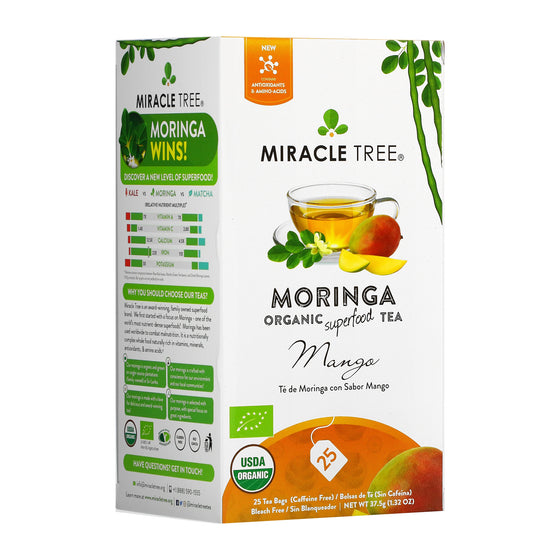
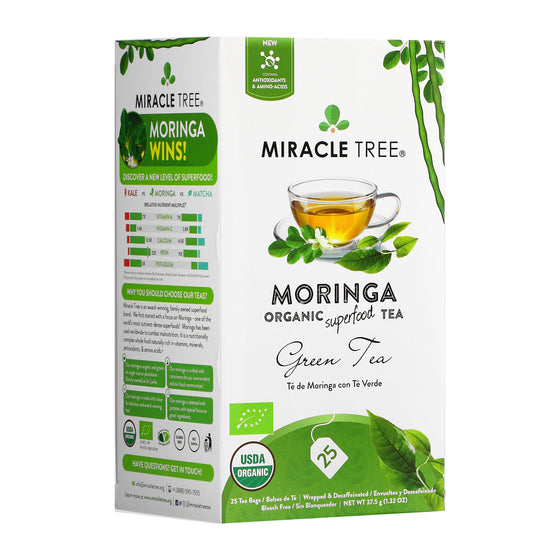
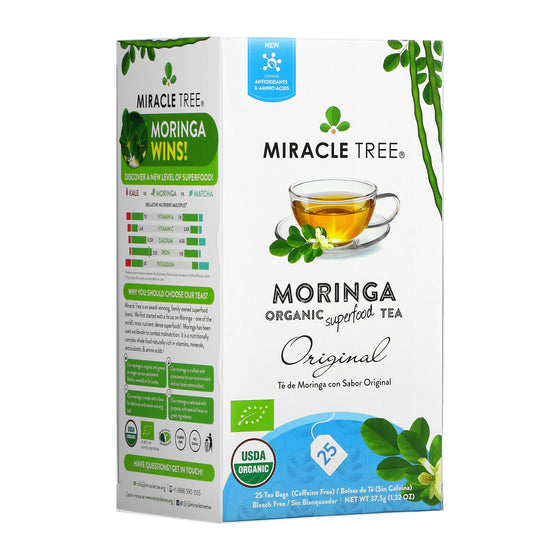
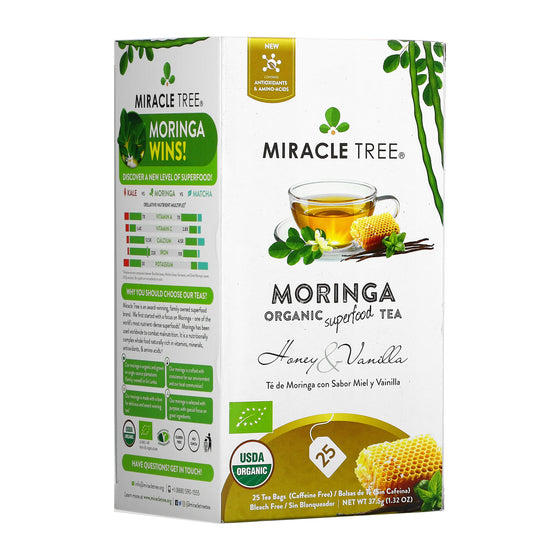
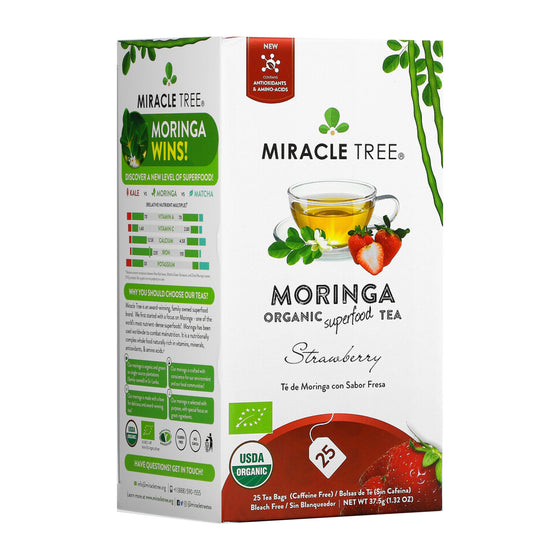
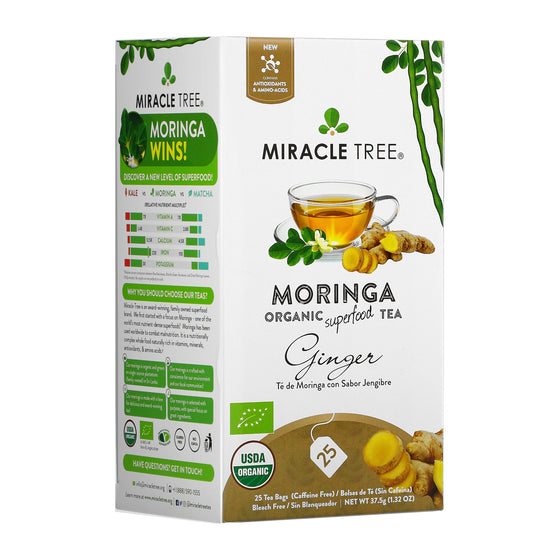
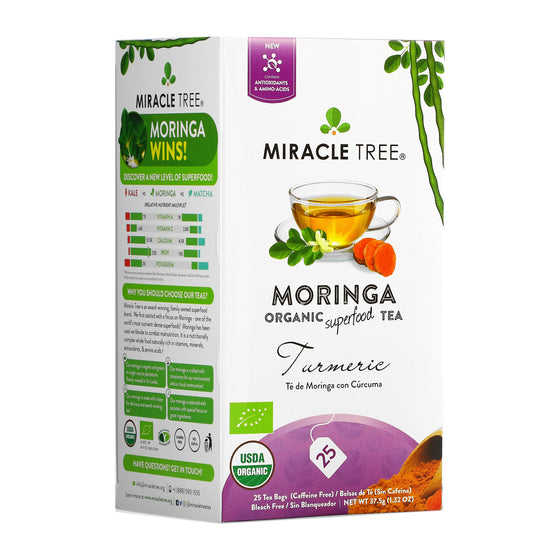
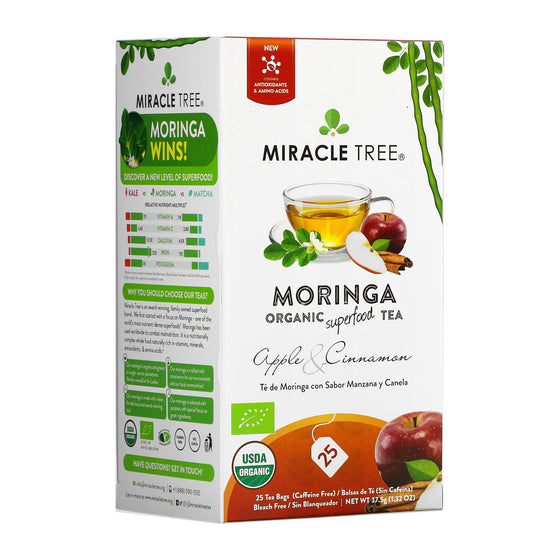
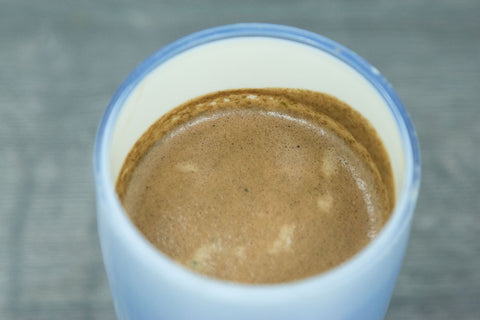
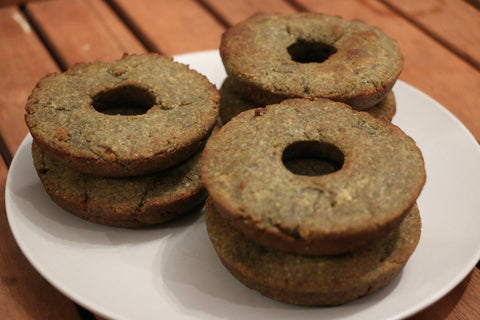
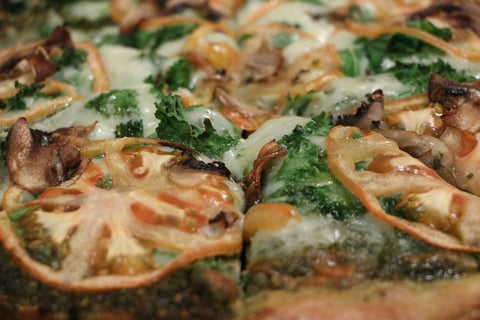
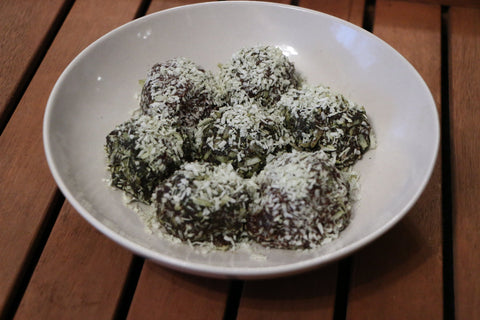
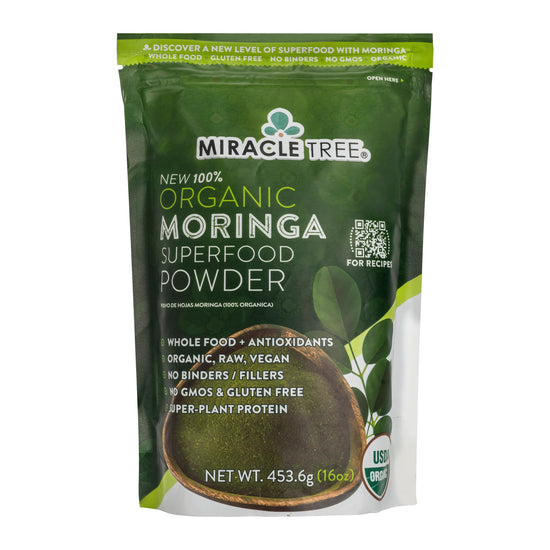
Para smoothies, lattes e receitas de forno. O preço já está com desconto, sem cupom.


Blog da Miracle Tree
Moringa and Eye Health: What the Leaf Contains
 Por Kunal Mirchandani
· 3 min de leitura
What is in moringa leaf, where the research on two of its carotenoids stands, and why vision changes need an eye exam.
Moringa oleifera, a nutrient-dense leafy green, has been regarded as a superfood in Ayurveda for centuries. What follows is a plain account of what is in the leaf and where the research on some of its nutrients stands. It is not a treatment plan. If your vision has changed, the person to see is an optometrist or an ophthalmologist, not a tea company.
What is moringa?
The moringa plant is native to South Asia, where its leaves, pods and seeds have been eaten as food for generations. It is a whole food naturally abundant in vitamins, minerals and essential amino acids. Virtually every part of the moringa plant, its pods, seeds and leaves are edible and packed with nutrition. Gram for gram, the dried leaf powder of this nutrient-rich superfood has about 17 times the calcium of whole milk, 7 times the protein of plain yogurt and 10 times the iron of raw spinach, though a serving is only a few grams.

Lutein and zeaxanthin in the leaf
Moringa leaf contains lutein and zeaxanthin, two carotenoids that the body deposits mainly in the macula and the lens of the eye. They are what give the macula its yellow colour. Researchers have also looked at moringa in animal models of cataract — a 2010 study in rat pups, published in the Journal of Ocular Pharmacology and Therapeutics, is the one usually cited. That is early animal research, and it is not evidence about what a cup of tea does in a human eye. We are not going to present it as more than it is.
Where the research stands
Research on lutein and zeaxanthin is ongoing rather than concluded; a plain-English summary of where it sits is a better starting point than any single headline result.
Published amounts of both in moringa leaf vary with growing conditions and drying, so we do not quote a figure. A teaspoon of powder is roughly 2 g, so moringa is at most one small contributor of lutein and zeaxanthin among many foods — which is the honest way to think about any single food. Eat it as part of a varied diet alongside other dark greens, and if your vision has genuinely changed, book an eye exam rather than reaching for a supplement.
These statements have not been evaluated by the Food and Drug Administration. This product is not intended to diagnose, treat, cure, or prevent any disease.
Lembretes importantes
Lembre-se de sempre consultar o seu profissional de saúde antes de fazer qualquer mudança significativa na sua alimentação. Embora a moringa seja geralmente segura para consumo, é essencial estar atento a possíveis alergias ou interações com medicamentos.


