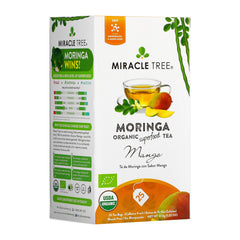
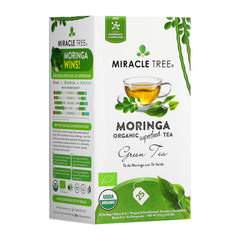
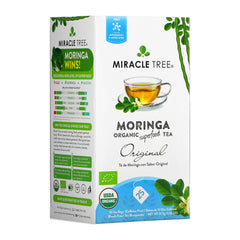
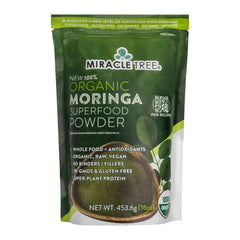
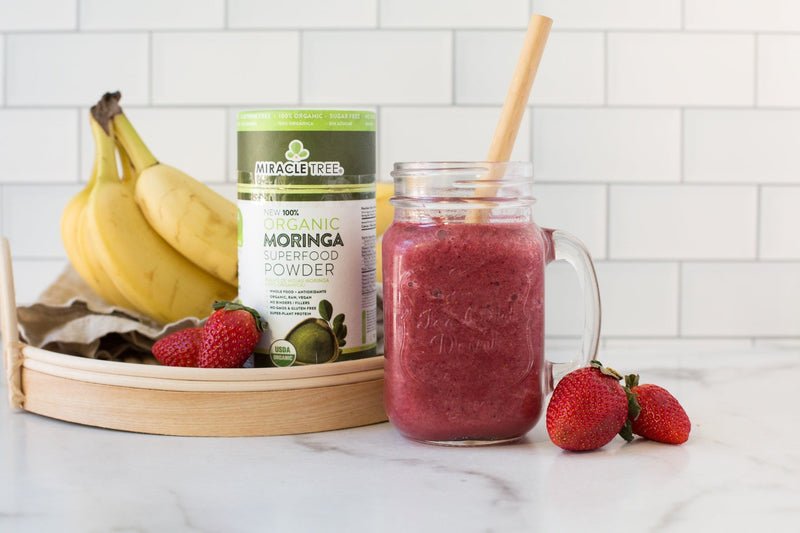



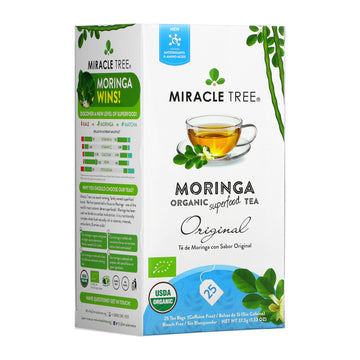
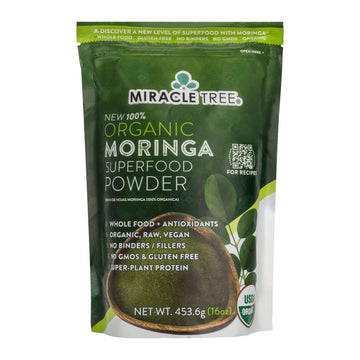
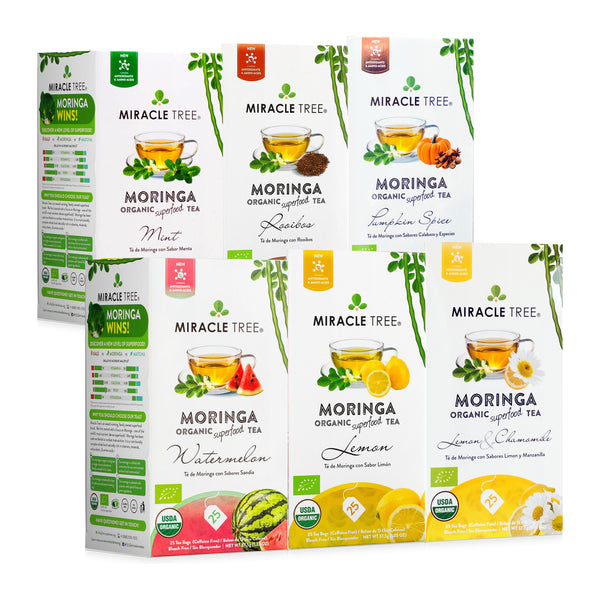


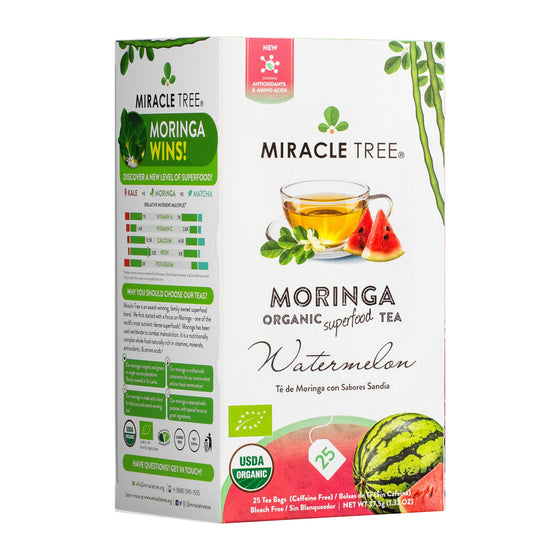
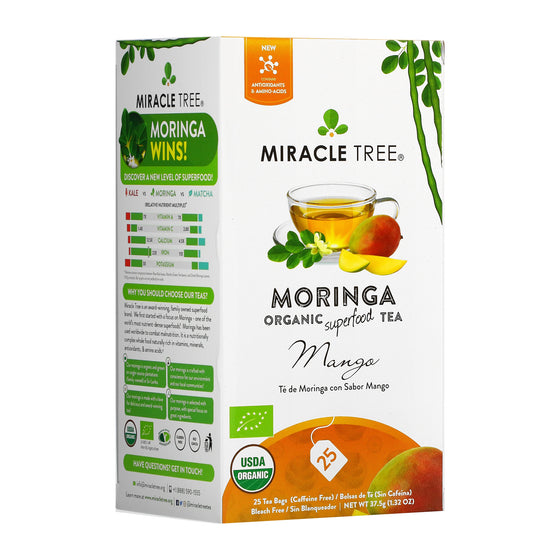
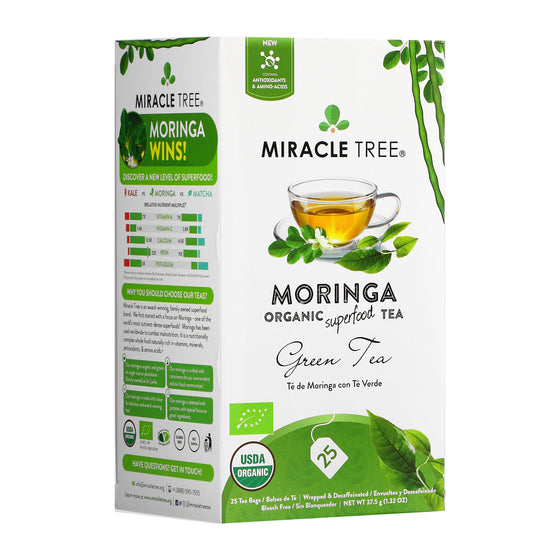
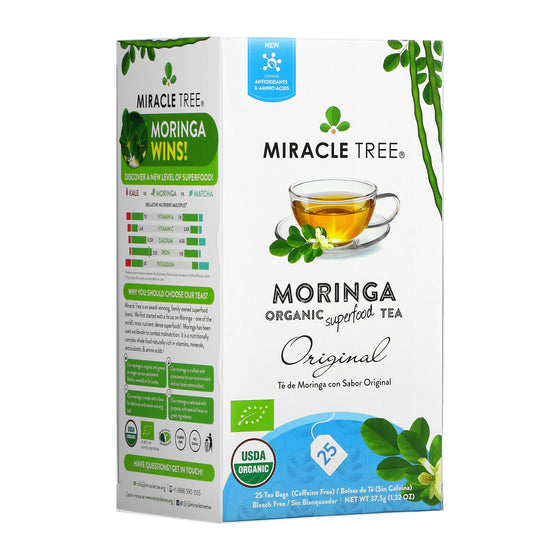
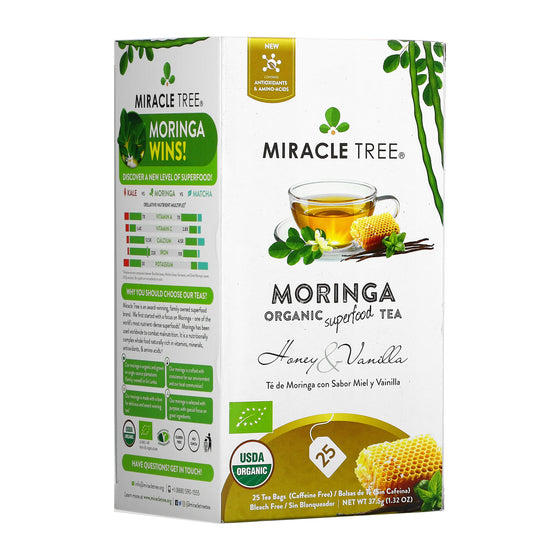
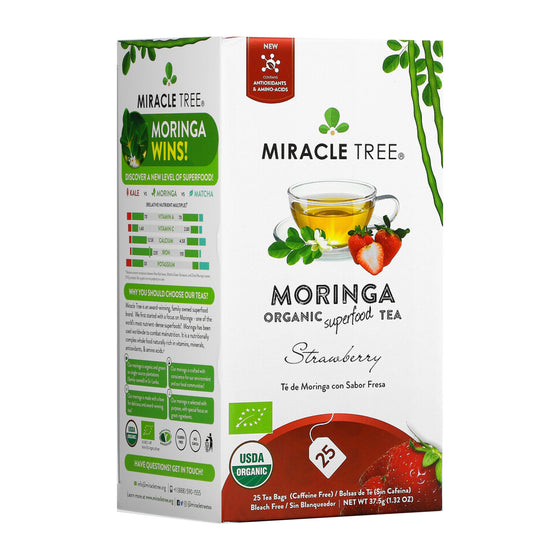
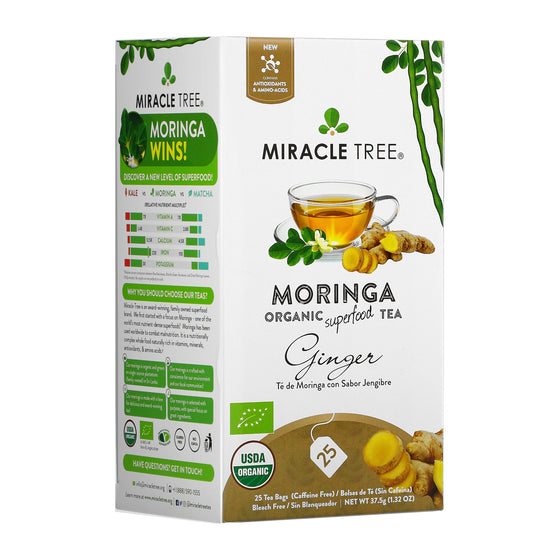
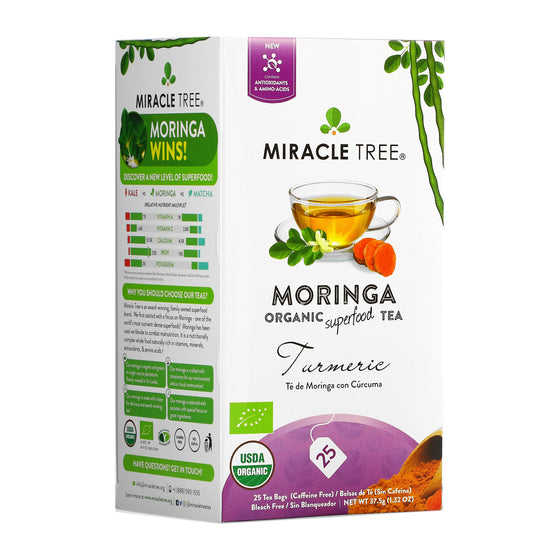
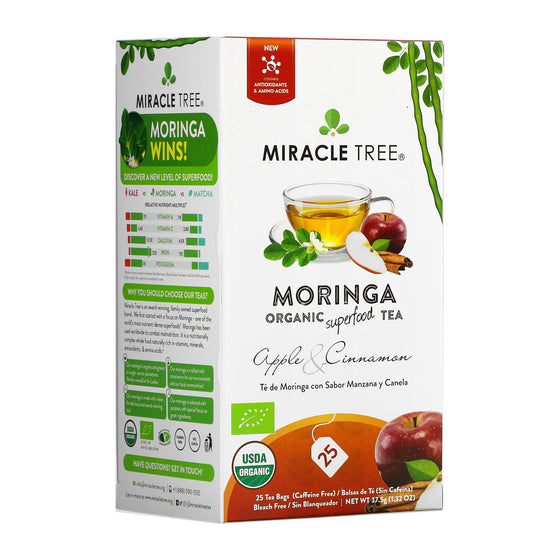
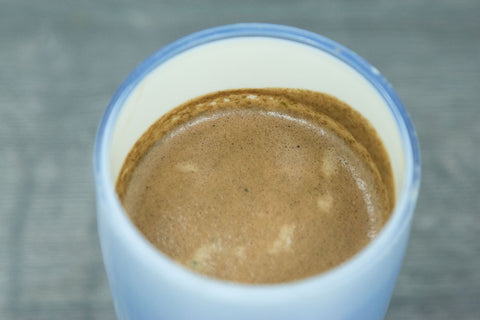
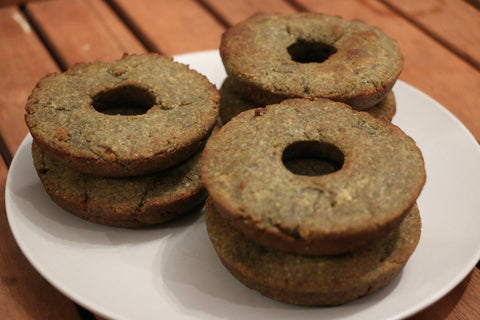

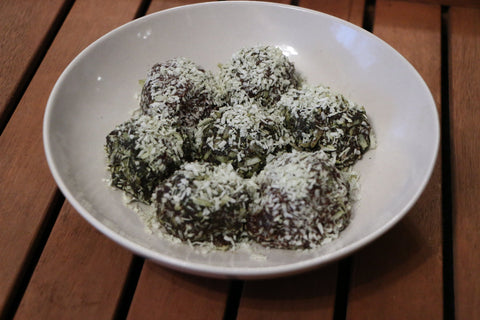

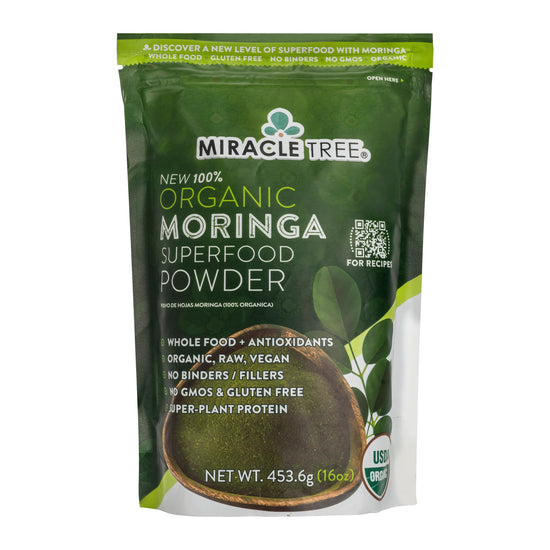
Para smoothies, lattes e receitas de forno. O preço já está com desconto, sem cupom.


Blog da Miracle Tree
Sudden Drop in Milk Supply: Causes and Where to Get Help
 Por Kunal Mirchandani
· 6 min de leitura
Has your milk supply dropped suddenly? Here’s what commonly causes it, what’s worth checking, and who to ask for help.
A sudden change in milk supply is one of the most unsettling things that can happen in the early months of nursing — and one of the most common. Supply shifts for all sorts of reasons, some of them temporary and some of them worth a professional’s attention. So let’s be straight with you from the start: this is not something to sort out alone from a blog post. An IBCLC (International Board Certified Lactation Consultant), your midwife or your healthcare provider can look at your situation, watch a feed, and tell you what is actually going on. What follows is background to bring into that conversation, not a replacement for it.

What is moringa?
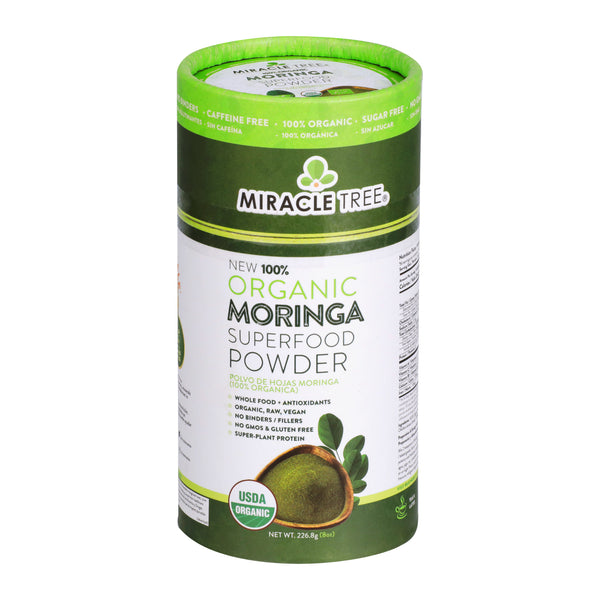
Moringa oleifera, a nutrient-dense leafy green, has been regarded as a superfood in Ayurveda for centuries, and moringa leaves have been part of the everyday diet of new mothers in many cultures for hundreds of years. It is a whole food naturally abundant in vitamins, minerals and essential amino acids. Virtually every part of the moringa plant — its pods, seeds and leaves — is edible and packed with nutrition. Gram for gram, the dried leaf of this nutrient-rich superfood has about 17 times the calcium of whole milk, 7 times the protein of plain yogurt and 10 times the iron of raw spinach, though a serving is only a few grams. Protein, iron and calcium are all part of a balanced diet for new mothers, including those who are breastfeeding. That is a description of what the leaf contains — not a promise about what it will do for your supply.
What are the common causes of a sudden decrease in milk supply?
Some common causes for a sudden decrease in milk supply include:
- Health issues - Postpartum exhaustion can interfere with breastfeeding, and it is one of the common reasons supply dips. An infection, thyroid changes or another health condition can also mean your body makes less breast milk — all worth raising with your provider rather than waiting out.
- Stress - Physical, emotional, and psychological stress can reduce your supply of breast milk. Anxiety, pain, financial difficulty and relationship troubles all add to the load, and they are as legitimate a reason to ask for support as anything physical is.
- Caffeine intake - Caffeinated soda, coffee, tea, and chocolate are usually suggested in moderation while nursing. Large amounts of caffeine can be dehydrating, and too much caffeine can affect your breastfeeding baby as well as you.
- Smoking cigarettes - Smoking can interfere with the release of oxytocin in your body. Oxytocin is the hormone that stimulates the let-down reflex which releases the breast milk from your breasts. If your breast milk is not released, it will not drain out — and it is milk being removed that signals your body to make more.
- Drinking alcohol - Alcohol passes into your milk, and excess alcohol can also affect your ability to tend to your child's needs. If you do drink, your provider or an IBCLC can talk you through the timing of feeds around it.
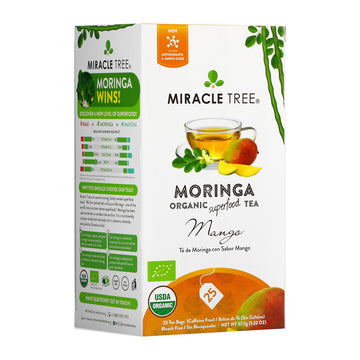
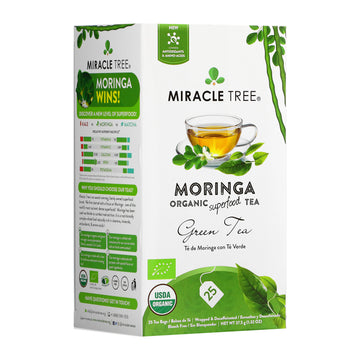
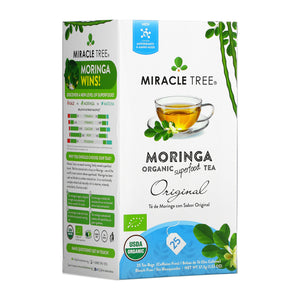
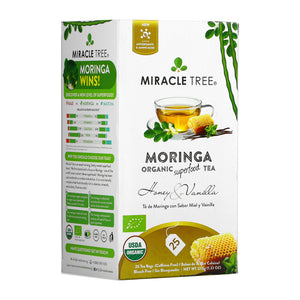
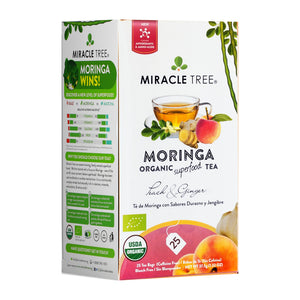
Experimente o chá de moringa
What actually helps when supply drops?
There is no herb, tea or powder that we can honestly tell you will bring a supply back, and you should be sceptical of anyone who says otherwise — us included. What is well established is a good deal more ordinary, and it is where a lactation consultant will usually start:
- Milk removal. Milk works on supply and demand: the more often and the more completely milk is removed, the stronger the signal your body gets to make more. How often you feed or pump, and whether the baby or the pump is actually draining the breast, is the first thing worth checking.
- Latch and positioning. A baby who feeds frequently but doesn't transfer milk efficiently can look like a supply problem when it isn't one. This is genuinely hard to assess on your own, and it is exactly what an IBCLC is trained to watch for.
- Illness and medication. A cold, mastitis, thyroid changes, other health conditions and certain medications — hormonal contraceptives and some decongestants among them — are all known to affect supply. Tell your provider you are nursing before you start anything new, herbal products included.
- Rest, food and fluids. Nursing is demanding work. Eating enough, drinking to thirst and taking whatever rest is available won't fix a mechanical problem, but running on empty makes every other part of this harder.
- Timing. Growth spurts, the return of your period, and going back to work all change the picture, and some dips settle on their own. A professional can tell you which kind you're looking at, which is worth far more than guessing.
Where does moringa fit in?
Honestly: as food, and as a warm drink. Moringa has a long history in postpartum cooking — in the Philippines, its bright green leaves are a classic addition to the chicken soup made for new mothers — and that tradition is real and worth respecting. What we are not going to do is turn it into a promise. Moringa is a nutrient-dense leaf, our herbal teas are caffeine-free, and a warm cup is an easy thing to hold on to during a hard few weeks. If you're considering any supplement or herbal product while nursing, run it past your healthcare provider or IBCLC first — ours as much as anyone else's.
And if your supply has dropped and you're worried, please get eyes on it. Your provider, your midwife or an IBCLC — many of whom now offer virtual consultations — can properly assess feeding, your baby's weight gain and your own health, which no article can. You are not doing anything wrong by asking. That is what these people are there for.
These statements have not been evaluated by the Food and Drug Administration. This product is not intended to diagnose, treat, cure, or prevent any disease.
Lembretes importantes
Lembre-se de sempre consultar o seu profissional de saúde antes de fazer qualquer mudança significativa na sua alimentação. Embora a moringa seja geralmente segura para consumo, é essencial estar atento a possíveis alergias ou interações com medicamentos.


