



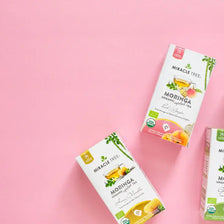
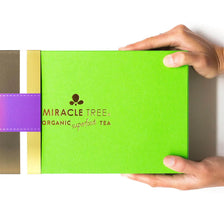

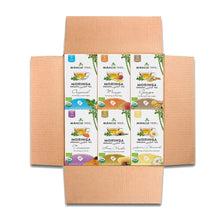
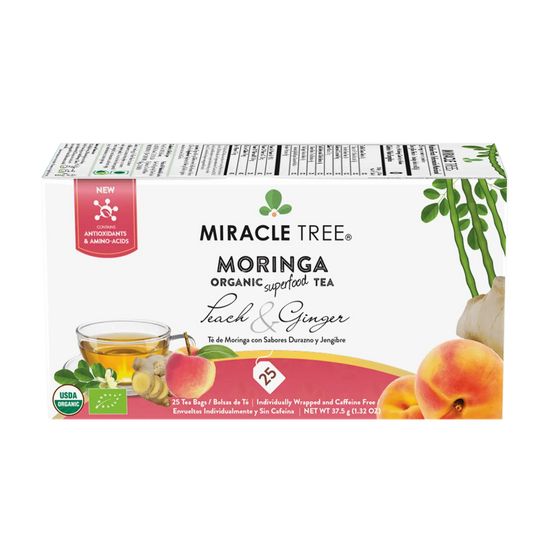
Save 10% on all Peach & Ginger Moringa Tea Purchases on orders $15+
DAILYOFFER
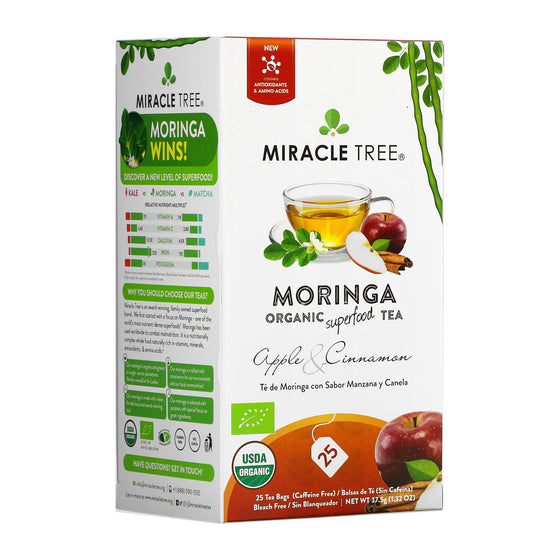 FLAVOR SPOTLIGHTApple & CinnamonWarm & cozy, never bitter★★★★★ 4.7 (145)From $8.99Shop now
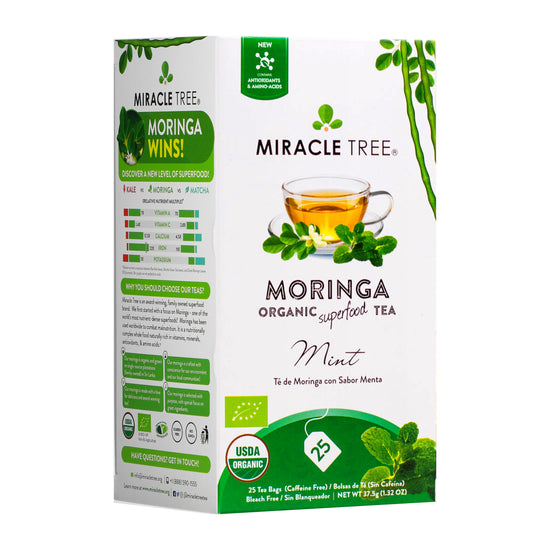
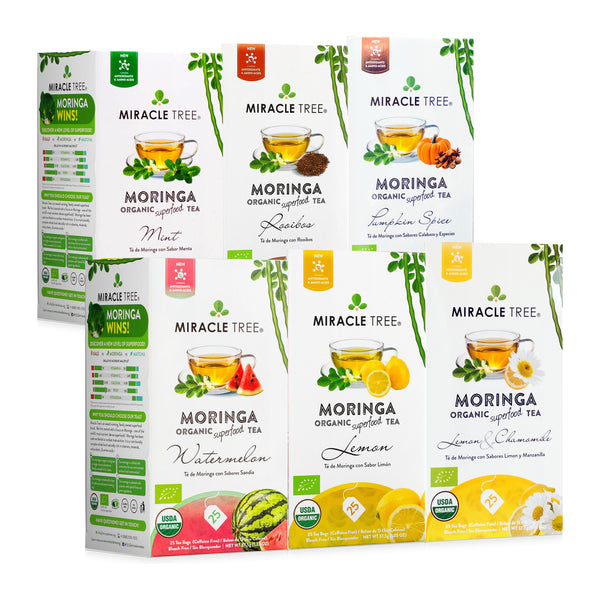
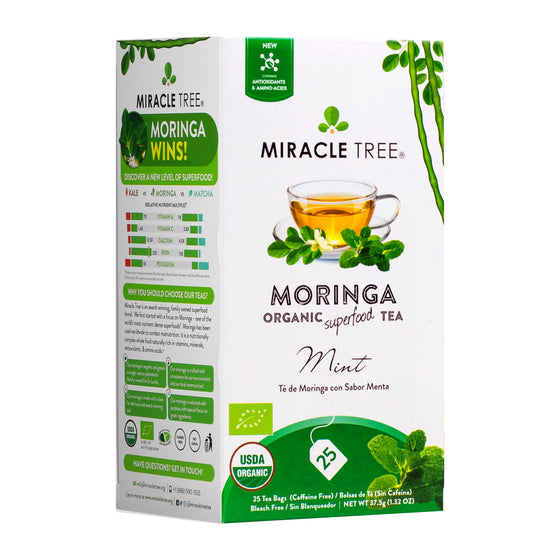 FLAVOR SPOTLIGHTMintSmooth & minty, never bitter★★★★★ 4.8 (151)From $6.29Shop now
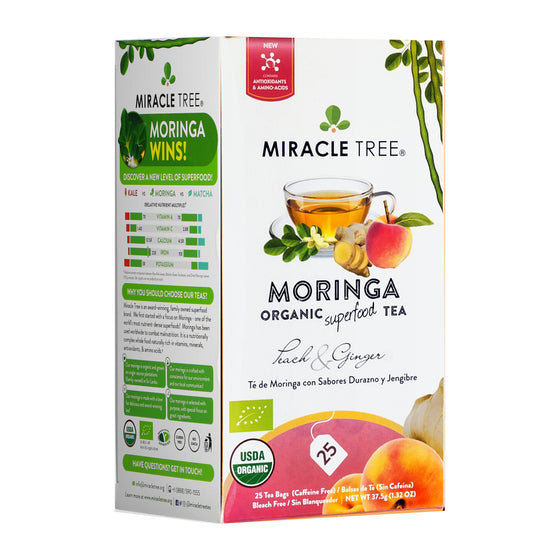 FLAVOR SPOTLIGHTPeach & GingerSweet & peachy, never bitter★★★★★ 4.9 (66)From $8.99Shop now
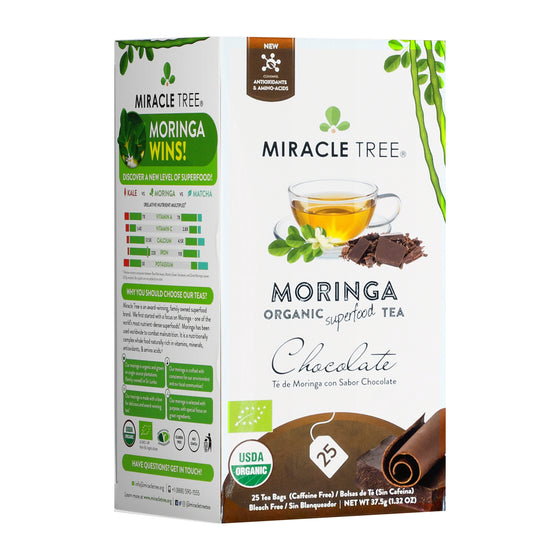 FLAVOR SPOTLIGHTChocolateSoft & chocolaty, never bitter★★★★★ 4.7 (211)From $8.99Shop now
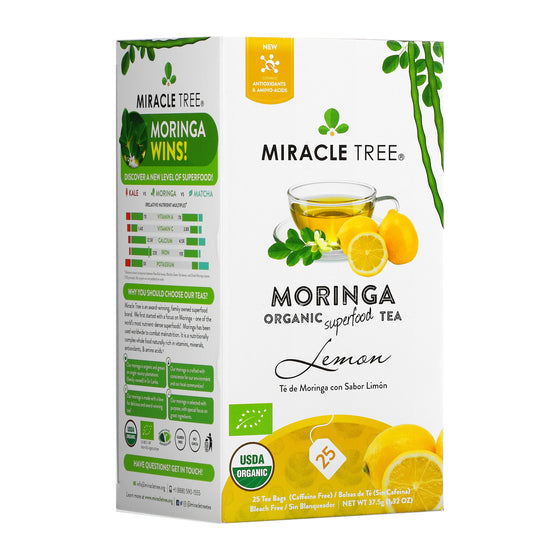 FLAVOR SPOTLIGHTLemonMellow & lemony, never bitter★★★★★ 4.8 (130)From $8.99Shop now
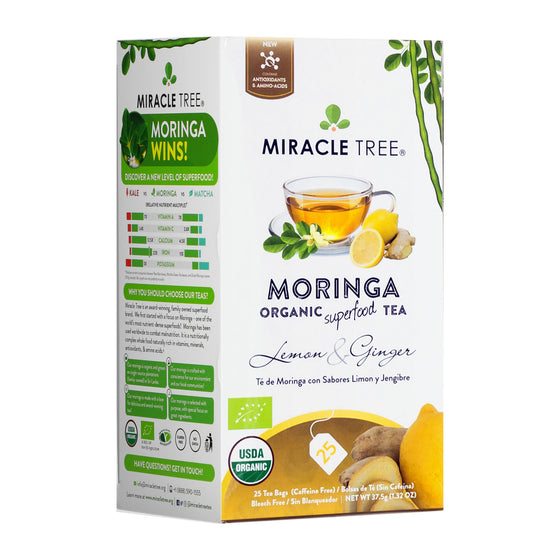 FLAVOR SPOTLIGHTLemon & GingerBright & gingery, never bitter★★★★★ 4.9 (140)From $8.99Shop now
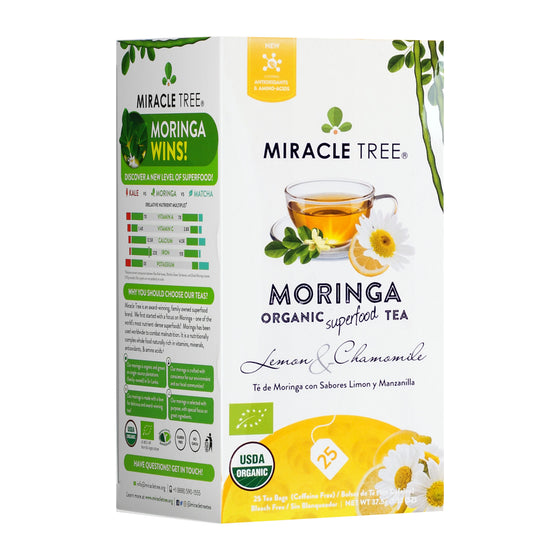 FLAVOR SPOTLIGHTLemon & ChamomileSoft & floral, never bitter★★★★★ 4.9 (87)From $8.99Shop now
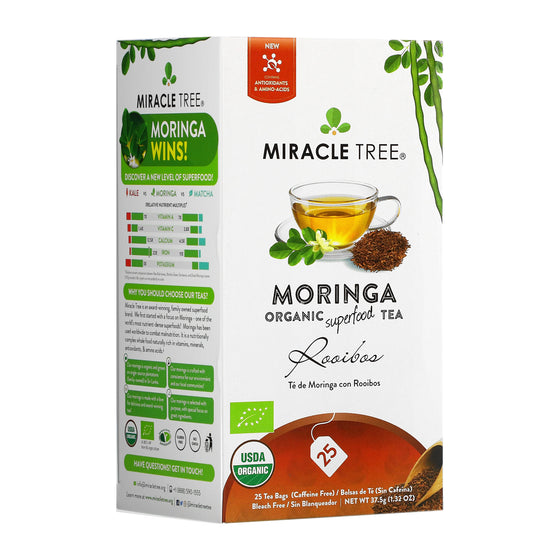 FLAVOR SPOTLIGHTRooibosSmooth & earthy, never bitter★★★★☆ 4.4 (42)From $7.69Shop now
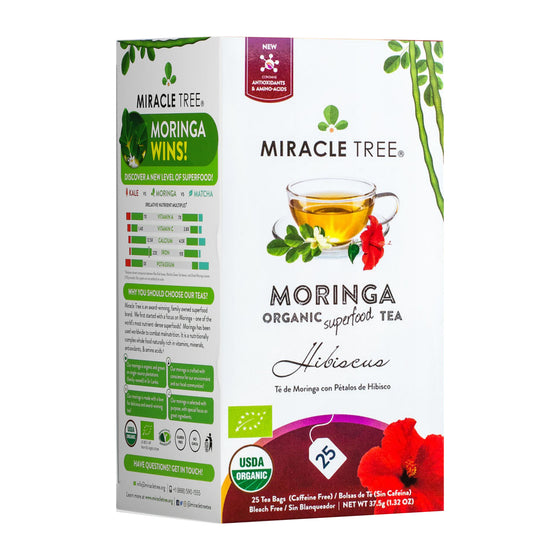 FLAVOR SPOTLIGHTHibiscusLight & floral, never bitter★★★★★ 4.6 (7)From $8.99Shop now
Best sellers
 FLAVOR SPOTLIGHTApple & CinnamonWarm & cozy, never bitter★★★★★ 4.7 (145)From $8.99Shop now
FLAVOR SPOTLIGHTMintSmooth & minty, never bitter★★★★★ 4.8 (151)From $6.29Shop now
FLAVOR SPOTLIGHTPeach & GingerSweet & peachy, never bitter★★★★★ 4.9 (66)From $8.99Shop now
FLAVOR SPOTLIGHTChocolateSoft & chocolaty, never bitter★★★★★ 4.7 (211)From $8.99Shop now
FLAVOR SPOTLIGHTLemonMellow & lemony, never bitter★★★★★ 4.8 (130)From $8.99Shop now
FLAVOR SPOTLIGHTLemon & GingerBright & gingery, never bitter★★★★★ 4.9 (140)From $8.99Shop now
FLAVOR SPOTLIGHTLemon & ChamomileSoft & floral, never bitter★★★★★ 4.9 (87)From $8.99Shop now
FLAVOR SPOTLIGHTRooibosSmooth & earthy, never bitter★★★★☆ 4.4 (42)From $7.69Shop now
FLAVOR SPOTLIGHTHibiscusLight & floral, never bitter★★★★★ 4.6 (7)From $8.99Shop now
Our customers are our #1 priority - get in touch for additional support.
Miracle Tree's Blog
· 14 min read
A no-nonsense buyer's guide for people who take their wellness seriously.

The moringa market has exploded. Walk into any health food store or search online and you'll find dozens of moringa teas — from $4 grocery store bags to $30 premium pouches. They all say "moringa." They don't all deliver moringa.
The difference between a high-quality moringa tea and a low-quality one isn't just price. It's sourcing, farming practices, processing temperature, packaging integrity, ingredient purity, and third-party verification. Get it wrong and you're paying for a product that delivers a fraction of moringa's documented nutritional potential.
This guide gives you the exact framework to evaluate any moringa tea brand — and explains why each factor matters scientifically, not just commercially.
Bottom line up front: The best moringa tea brand is the one that is USDA Organic certified, single-ingredient, transparently sourced, minimally processed, and third-party tested. That's the standard. Everything else is marketing.
The best moringa tea for most people meets five tests. Check the box for each one before you buy:
Explore Miracle Tree Organic Moringa Tea — the benchmark for moringa quality. →
Before we get to the buying framework, it's worth understanding why moringa quality varies so much in the first place.
Moringa (Moringa oleifera) is grown across a wide geographic band — India, East Africa, West Africa, Southeast Asia, Central America. Growing conditions, soil quality, rainfall, altitude, and farming practices all affect the nutritional density of the final leaf.
Beyond the farm, moringa quality is shaped by:
A moringa tea that checks every box on the farm can still arrive at your door nutritionally compromised if processing and packaging are poor. This is why brand selection matters — and why "it says moringa on the label" is not sufficient due diligence.
This is the single most important quality signal for moringa tea.
Moringa is grown in regions where pesticide regulation and enforcement vary significantly. Without organic certification, you have no reliable assurance that the moringa you're consuming is free from synthetic pesticides, herbicides, or chemical fertilizers.
Why it matters beyond "clean eating": Moringa's nutritional value comes from its bioactive compounds — polyphenols, isothiocyanates, glucosinolates. Pesticide residues can interfere with these compounds and introduce toxicological risk that works against the reason you're drinking moringa in the first place.
USDA Organic certification requires:
What to look for: The USDA Organic seal on the packaging — not just the word "organic" in the brand name or marketing copy. The seal means verified. The word alone means nothing.
✅ Miracle Tree standard: USDA Organic certified.
Open the ingredient list. It should say one thing: Moringa oleifera leaf. That's it.
Many moringa teas on the market blend moringa with other herbs, green tea, matcha, adaptogens, or "proprietary blends." Some of these additions are benign. Some are not. All of them dilute the moringa content — meaning you're getting less moringa per cup than the packaging implies.
The problem with blends:
✅ Miracle Tree standard: 100% pure moringa leaf. One ingredient. Full stop.
Where does the moringa come from? From what farm, region, or cooperative? Under what growing conditions?
Premium moringa brands can answer these questions. Budget brands typically cannot — because their supply chains involve multiple intermediaries, commodity brokers, and blending facilities where origin traceability is lost.
Why sourcing geography matters: Moringa grown in well-kept, nutrient-rich soil produces a different nutritional profile than moringa grown in depleted, over-farmed soil. Altitude, rainfall, and soil mineral content directly affect the leaf's micronutrient and phytochemical density.
Questions to ask any moringa brand:
✅ Miracle Tree standard: Our moringa is grown on family-owned plantations in Sri Lanka, on a sustainable bought-leaf model.
This is the most underappreciated quality factor in moringa — and the one most brands don't talk about.
Moringa's nutritional value is highly sensitive to heat. Specifically:
Shade-drying vs. industrial drying: Traditional shade-drying at ambient temperatures (below 40°C / 104°F) preserves the full compound profile. Industrial drum-drying or spray-drying at high temperatures is faster and cheaper — but produces a nutritionally inferior product.
The color of moringa powder or tea is a rough proxy: vibrant, deep green indicates low-temperature processing. Dull, olive, or brownish moringa has typically been over-processed.
✅ Miracle Tree standard: Minimally processed moringa leaf, preserving the full nutritional profile.
Any brand making health claims about their moringa should be able to provide third-party laboratory testing results — specifically a Certificate of Analysis (COA) confirming:
✅ Miracle Tree standard: Quality-tested moringa with a commitment to product integrity.
Moringa's antioxidants — particularly quercetin, chlorogenic acid, and vitamin C — are sensitive to three environmental factors: light, oxygen, and heat.
What good moringa packaging looks like:
What to avoid:
✅ Miracle Tree standard: Properly packaged moringa tea bags designed to preserve potency from production to your cup.
Finally — who is behind the brand? What is their mission, their sourcing philosophy, their commitment to quality over time?
Premium wellness brands in the moringa space are typically:
Red flags in moringa branding:
Learn about Miracle Tree's mission and sourcing philosophy →
Use this to evaluate any moringa tea brand:
| Quality Factor | What to Look For | Red Flag |
|---|---|---|
| Certification | USDA Organic seal | "Organic" in name only, no seal |
| Ingredients | Moringa leaf only | Blends, proprietary formulas |
| Sourcing | Named origin, direct trade | "Sourced globally," no details |
| Processing | Shade-dried, low-temp | No processing info |
| Packaging | Opaque, sealed, dated | Clear plastic, no date |
| Brand | Transparent, mission-driven | No story, no contact info |
Score your brand: 7/7 is the standard. Every missing point is a quality compromise.
Moringa comes in three common formats. Two of them are tea; the third is not.
| Format | What it is | Best for | Watch for |
|---|---|---|---|
| Moringa tea bags | Cut, dried moringa leaf portioned for one cup | Daily drinking, travel, the office | Look for plastic-free bags and individual wrappers |
| Loose-leaf moringa tea | The same cut leaf, sold by weight | People who like to adjust strength | Needs a strainer; keep the pouch sealed and dark |
| Moringa powder | Finely milled leaf, not a tea | Smoothies, yogurt, baking | It does not steep or strain like tea; stir it into food or drinks instead |
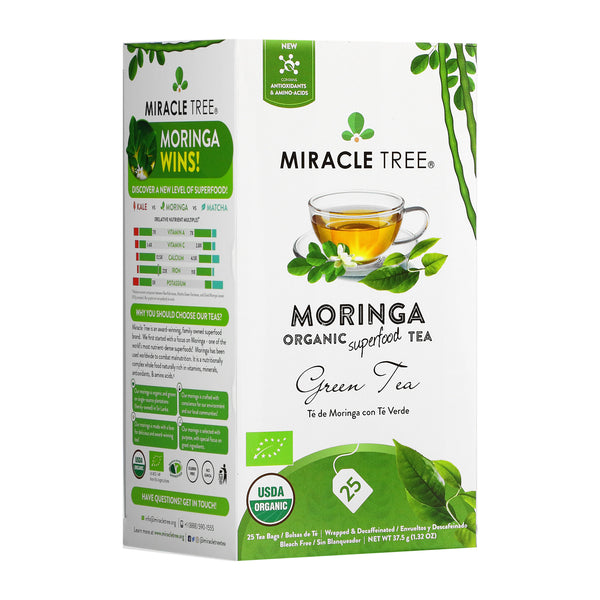
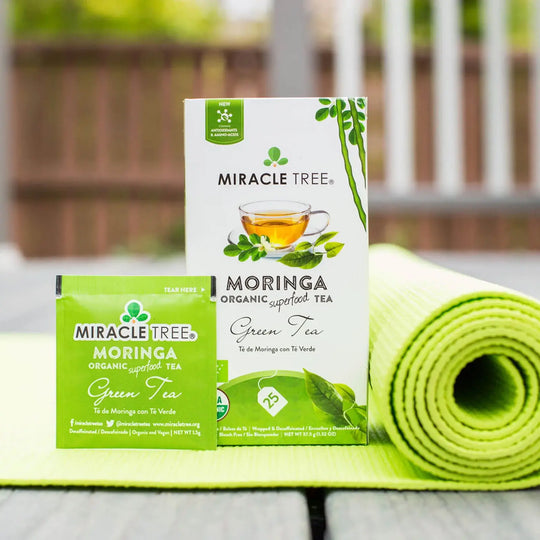
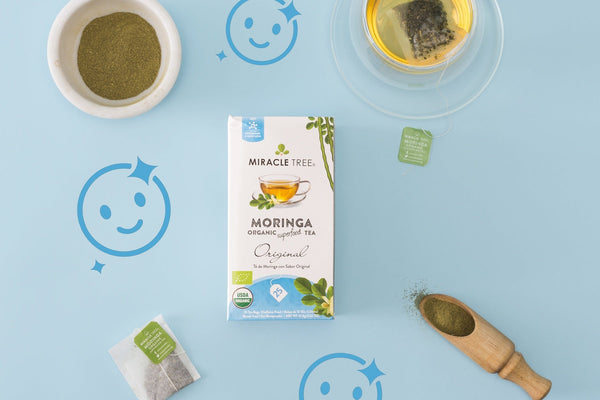
If you want a cup of tea, choose tea bags or loose leaf. Tea bags are the easiest way to get a consistent cup every day. Our organic moringa leaf tea comes in 25 plastic-free tea bags.
Quality moringa leaf tea tastes mild, earthy and slightly grassy, a little like a light green tea. It should not taste dusty, musty or bitter. Moringa leaf is naturally caffeine-free, so a pure moringa tea is a good choice for an evening cup. If the plain leaf is too earthy for you, a flavored moringa tea with mint, lemon or ginger is an easy way in.
Buying on price alone: Quality moringa costs more to produce. USDA Organic certification, direct sourcing, low-temperature processing, and third-party testing all add cost.
Trusting "natural" or "pure" label claims: These terms are not regulated in the same way as USDA Organic. Any brand can print "pure" or "natural" on their packaging without verification.
Ignoring the ingredient list: Always read it. If you see anything other than Moringa oleifera leaf, you're buying a blend — and you don't know the moringa percentage.
Buying in bulk before trying: Moringa flavor varies by source and processing. Try a smaller quantity first to confirm you enjoy the taste and notice the effects before committing to a large purchase.
Not checking the best-by date: Moringa's antioxidant content degrades over time. Always check the date and avoid products within 3 months of expiry.
Miracle Tree organic moringa leaf tea was built around a simple premise: moringa is one of the most nutritionally extraordinary plants on earth, and it deserves to be treated that way — from farm to cup.
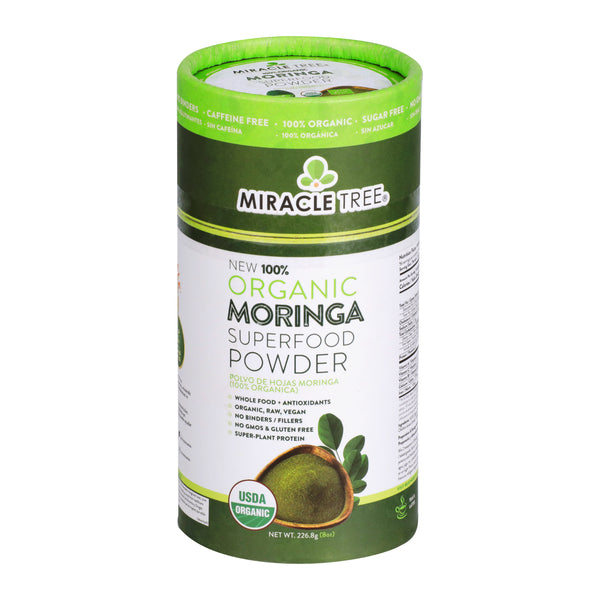
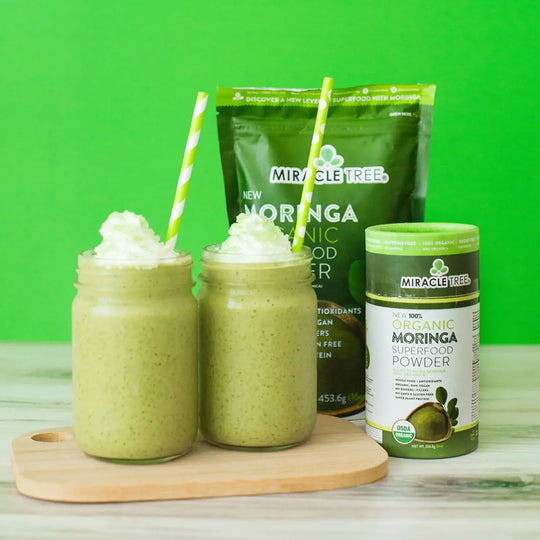
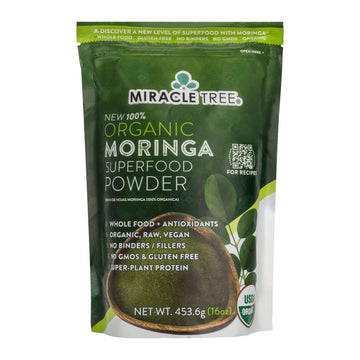
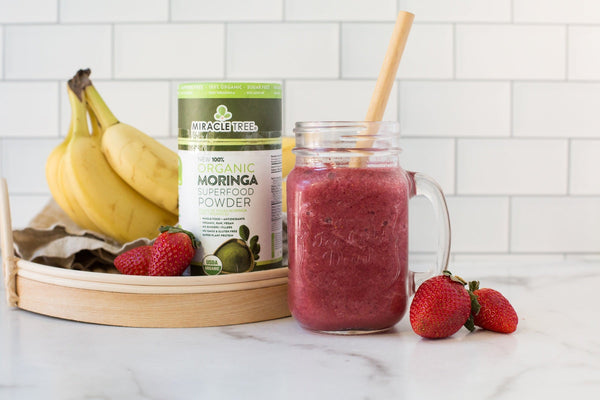
Moringa Powder: The most concentrated moringa format — add to smoothies, oatmeal, soups, or baked goods for maximum nutritional density. Ideal for those who want precise dose control.
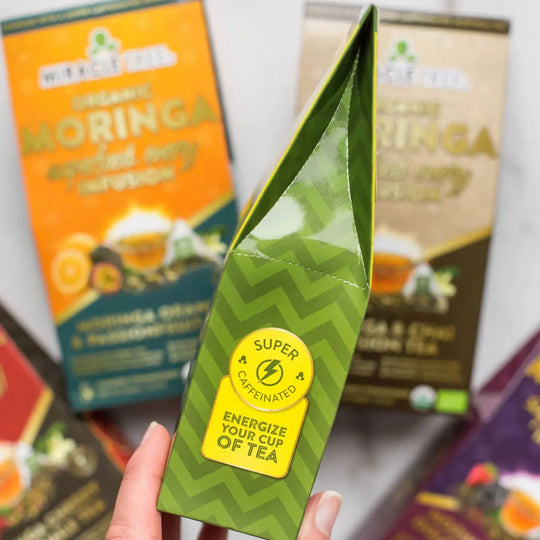
Moringa Energy Tea: A flavored moringa tea option for those who want the benefits of moringa with a more dynamic taste profile. Perfect for afternoons.
Wellness Bundles: Curated combinations for those who want to explore the full range — and save while doing it.
Subscribe & Save: The smartest way to maintain a daily moringa habit — automatic delivery, consistent quality, better price.
Choosing the right brand is step one. Understanding what consistent daily moringa consumption delivers is step two.
Read our full guide: What Happens When You Drink Moringa Tea Every Day →
And if you have specific health considerations — including thyroid conditions — see: Is Moringa Tea Safe If You Have Hyperthyroidism? →
A: USDA Organic certification is the single most important quality signal. It verifies that the moringa was grown without synthetic pesticides, herbicides, or GMOs — and that the supply chain has been independently audited.
A: Moringa quality is affected by growing region, soil quality, harvest timing, drying method, processing temperature, packaging, and storage. Each step in the supply chain is an opportunity for quality to be preserved or compromised.
A: Not always — but very cheap moringa tea almost always reflects quality compromises. USDA Organic certification, direct sourcing, low-temperature processing, and third-party testing all have real costs that very low-priced products cannot realistically cover.
A: It means the moringa was grown without synthetic pesticides, herbicides, or fertilizers; no GMOs were used; and the farm and supply chain were independently inspected and certified annually by a USDA-accredited certifying agent.
A: Look for vibrant, deep green color (not dull olive or brown), a fresh earthy aroma, a clear best-by date, and opaque or foil-lined packaging.
A: No. Miracle Tree Organic Moringa Tea contains one ingredient: organic moringa leaf. No fillers, no additives, no artificial flavors, no blending agents.
A: Directly from Miracle Tree's website — with subscription options available for regular buyers. Wholesale and retail inquiries are also welcome.
A: Start with a pure, single-ingredient moringa leaf tea in tea bags so you learn the real taste of the leaf. If you find it too earthy, try a flavored moringa tea such as Mint or Lemon.
A: They can be. Quality depends on the leaf, not the format. A good moringa tea bag holds cut whole leaf rather than fine dust, and it is individually sealed so the leaf stays fresh until you brew it.
A: Look for the USDA Organic seal, a single ingredient and a named origin. Miracle Tree Organic Moringa Tea is USDA Organic, contains only moringa leaf, and is grown on family-owned plantations in Sri Lanka.
A: Pure moringa leaf tea is naturally caffeine-free. Blends can add caffeine, so check the label if moringa is mixed with green tea, black tea or yerba mate.
A: Use water just off the boil, around 195-205°F, and steep for 4-5 minutes. Steep longer for a stronger cup, or add lemon or mint to brighten it.
The best moringa tea brand is not the cheapest, the most marketed, or the one with the most Instagram followers. It's the one that:
Miracle Tree Organic Moringa Tea was built to meet every one of these standards.
$8.99
These statements have not been evaluated by the Food and Drug Administration. These products are not intended to diagnose, treat, cure, or prevent any disease.
4.8 out of 5 · 375 reviews · Organic Moringa Tea - Original - Caffeine-Free Herbal TeaRead all reviews
A great value for the price. I have tried several moringa teas and this one by far is the best. Very natural and true Moringa.
This is one of the best teas i have ever tasted! Its the only tea i can drink without a sweetener. The flavor is light ,clean and fresh. Definitely would buy again.
My best friend gave me a sample of this tea to try and it was amazing! Its delicious! I ordered a package right away and I will continue to keep on hand and drink daily.