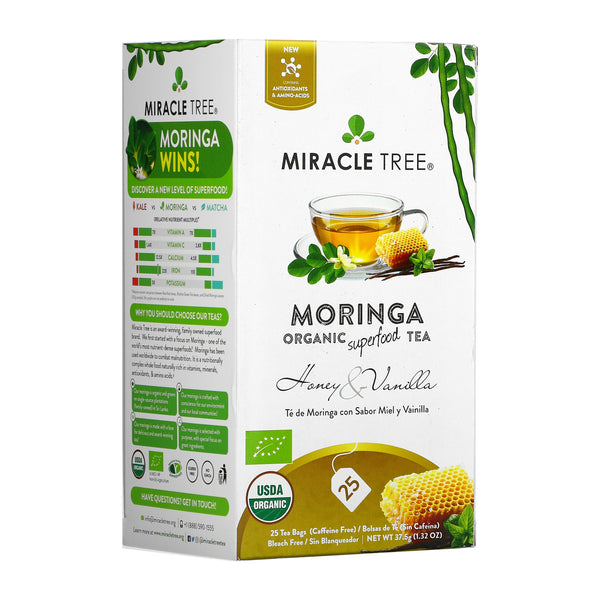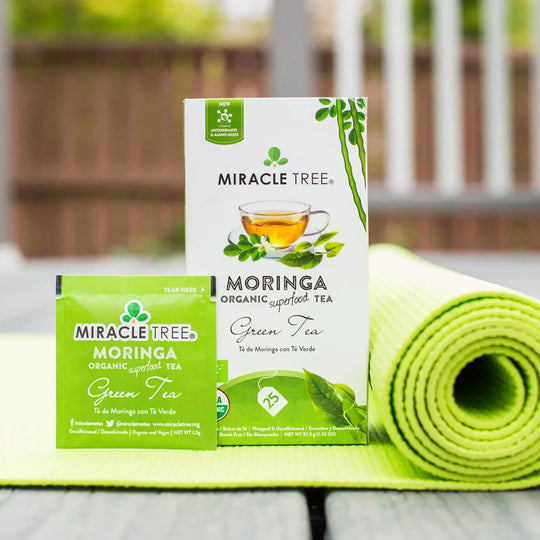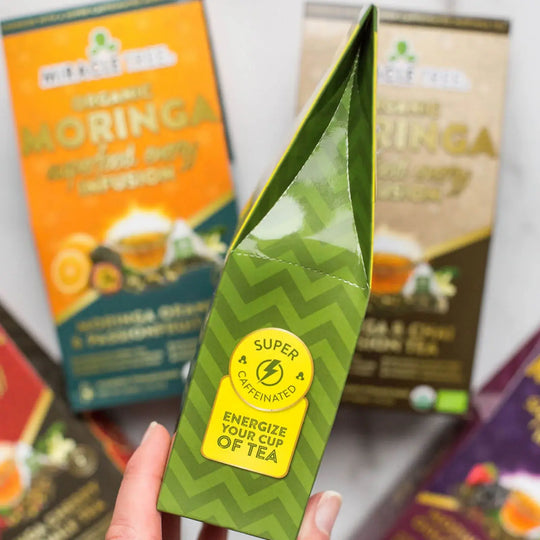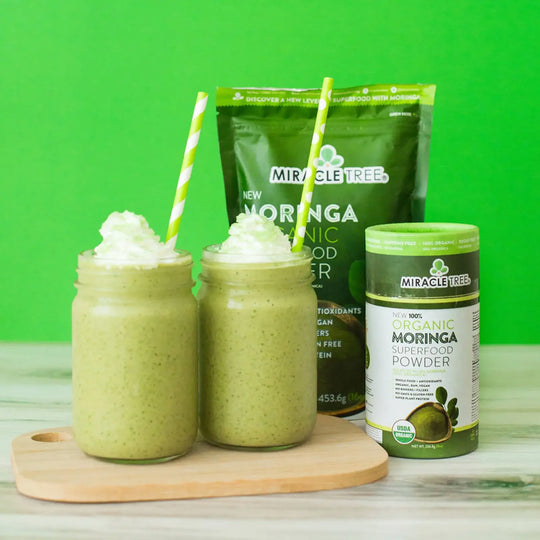







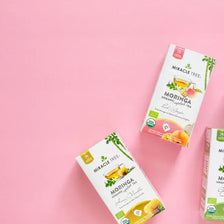
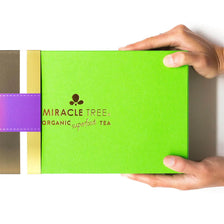

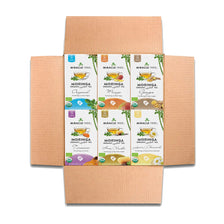
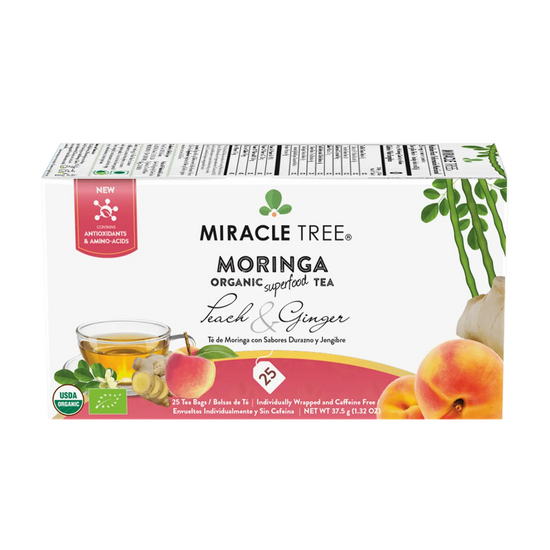
Save 10% on all Peach & Ginger Moringa Tea Purchases on orders $15+
DAILYOFFER
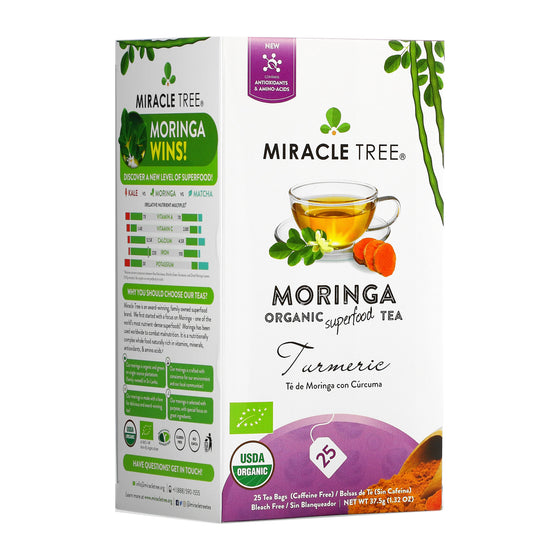 FLAVOR SPOTLIGHTTurmericSmooth & savory, never bitter★★★★★ 4.9 (176)From $6.99Shop now
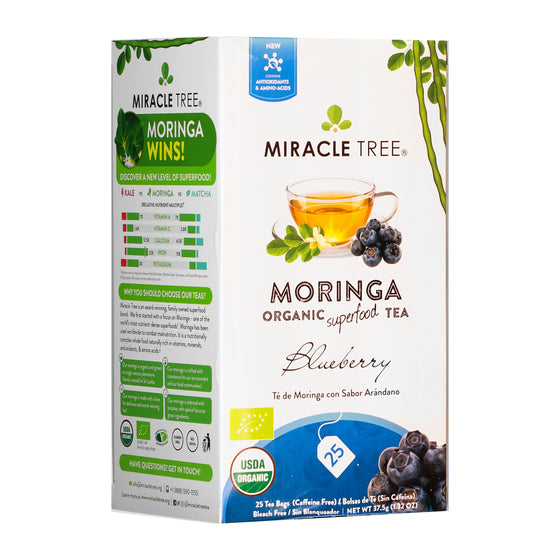 FLAVOR SPOTLIGHTBlueberryBright & fruity, never bitter★★★★★ 4.8 (177)From $6.99Shop now
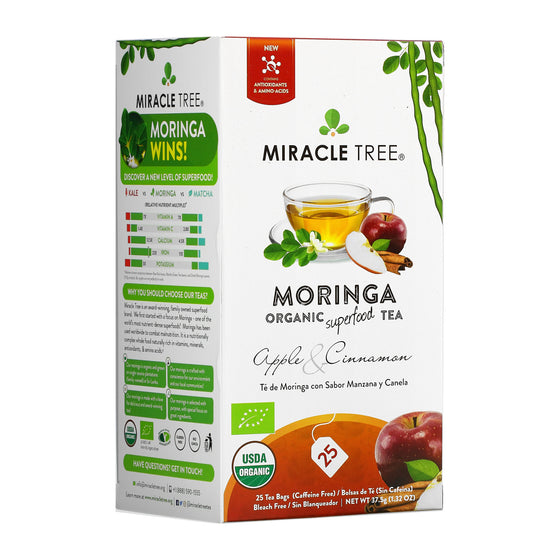 FLAVOR SPOTLIGHTApple & CinnamonWarm & cozy, never bitter★★★★★ 4.7 (145)From $6.99Shop now
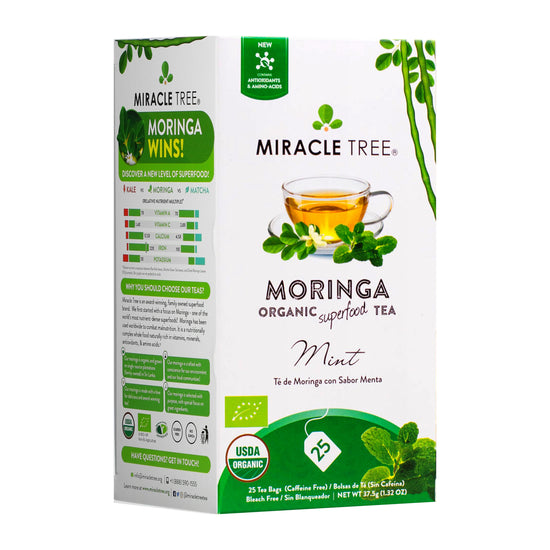
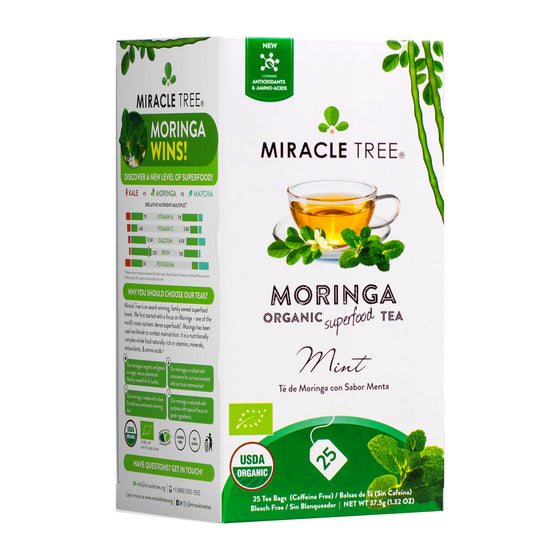 FLAVOR SPOTLIGHTMintSmooth & minty, never bitter★★★★★ 4.8 (151)From $6.64Shop now
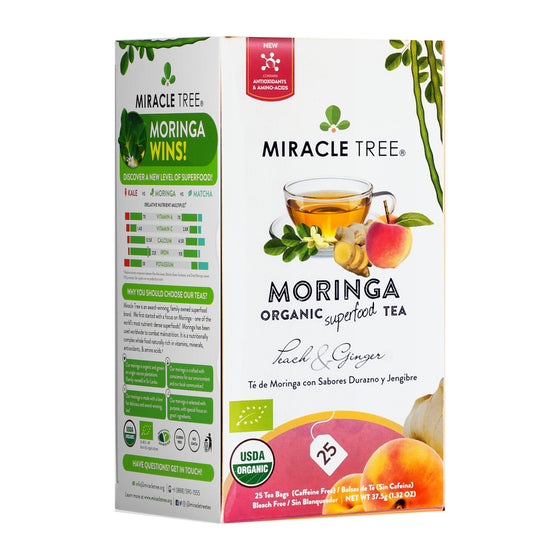 FLAVOR SPOTLIGHTPeach & GingerSweet & peachy, never bitter★★★★★ 4.9 (66)From $6.99Shop now
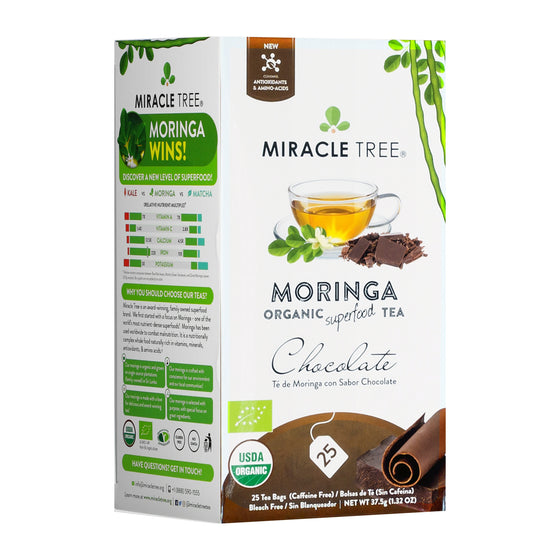 FLAVOR SPOTLIGHTChocolateSoft & chocolaty, never bitter★★★★★ 4.7 (211)From $6.99Shop now
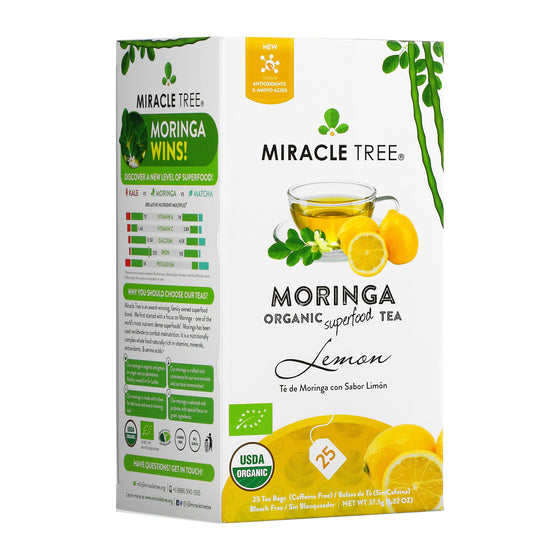 FLAVOR SPOTLIGHTLemonMellow & lemony, never bitter★★★★★ 4.8 (130)From $6.99Shop now
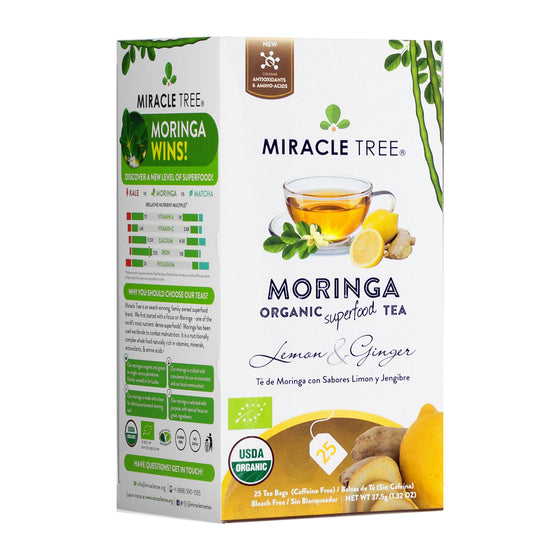 FLAVOR SPOTLIGHTLemon & GingerBright & gingery, never bitter★★★★★ 4.9 (140)From $6.99Shop now
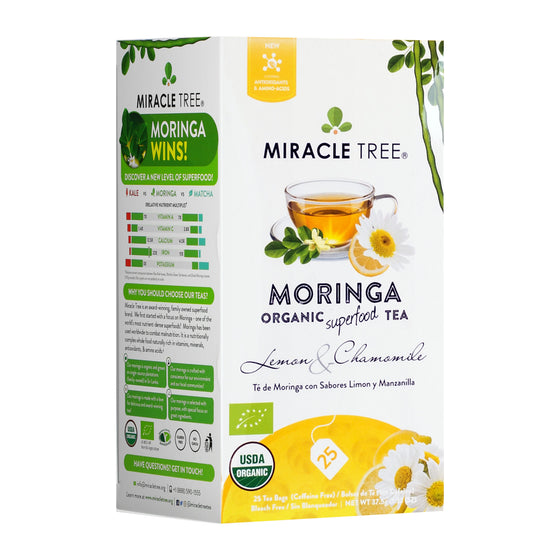 FLAVOR SPOTLIGHTLemon & ChamomileSoft & floral, never bitter★★★★★ 4.9 (87)From $6.99Shop now
 FLAVOR SPOTLIGHTTurmericSmooth & savory, never bitter★★★★★ 4.9 (176)From $6.99Shop now
FLAVOR SPOTLIGHTBlueberryBright & fruity, never bitter★★★★★ 4.8 (177)From $6.99Shop now
FLAVOR SPOTLIGHTApple & CinnamonWarm & cozy, never bitter★★★★★ 4.7 (145)From $6.99Shop now
FLAVOR SPOTLIGHTMintSmooth & minty, never bitter★★★★★ 4.8 (151)From $6.64Shop now
FLAVOR SPOTLIGHTPeach & GingerSweet & peachy, never bitter★★★★★ 4.9 (66)From $6.99Shop now
FLAVOR SPOTLIGHTChocolateSoft & chocolaty, never bitter★★★★★ 4.7 (211)From $6.99Shop now
FLAVOR SPOTLIGHTLemonMellow & lemony, never bitter★★★★★ 4.8 (130)From $6.99Shop now
FLAVOR SPOTLIGHTLemon & GingerBright & gingery, never bitter★★★★★ 4.9 (140)From $6.99Shop now
FLAVOR SPOTLIGHTLemon & ChamomileSoft & floral, never bitter★★★★★ 4.9 (87)From $6.99Shop now
FLAVOR SPOTLIGHTTurmericSmooth & savory, never bitter★★★★★ 4.9 (176)From $6.99Shop now
FLAVOR SPOTLIGHTBlueberryBright & fruity, never bitter★★★★★ 4.8 (177)From $6.99Shop now
FLAVOR SPOTLIGHTApple & CinnamonWarm & cozy, never bitter★★★★★ 4.7 (145)From $6.99Shop now
FLAVOR SPOTLIGHTMintSmooth & minty, never bitter★★★★★ 4.8 (151)From $6.64Shop now
FLAVOR SPOTLIGHTPeach & GingerSweet & peachy, never bitter★★★★★ 4.9 (66)From $6.99Shop now
FLAVOR SPOTLIGHTChocolateSoft & chocolaty, never bitter★★★★★ 4.7 (211)From $6.99Shop now
FLAVOR SPOTLIGHTLemonMellow & lemony, never bitter★★★★★ 4.8 (130)From $6.99Shop now
FLAVOR SPOTLIGHTLemon & GingerBright & gingery, never bitter★★★★★ 4.9 (140)From $6.99Shop now
FLAVOR SPOTLIGHTLemon & ChamomileSoft & floral, never bitter★★★★★ 4.9 (87)From $6.99Shop now
Our customers are our #1 priority - get in touch for additional support.

Miracle Tree's Recipes
· 7 min read
Moringa herbal teas: Shop now
If you've been paying attention to wellness trends in 2026, you've likely noticed moringa everywhere — from social feeds to your local health food store. But this isn't just another fleeting fad. Moringa oleifera, the "miracle tree" used as food and folk remedy for over 4,000 years, is having a genuine renaissance, driven by sustainability, plant-based eating, and the simple fact that it is a very nutrient-dense leaf.
Market-size figures for moringa get quoted a lot and sourced almost never. We are not going to add to that pile. What we can say from where we sit — as a brand that has been selling moringa tea since well before it was fashionable — is that demand has grown steadily and consistently, the questions customers ask have shifted from "what is moringa" to "which flavour should I start with," and the plant now shows up in aisles it was nowhere near five years ago.
So what's driving it?
As more consumers adopt plant-based diets, the search for complete, nutrient-dense plant proteins has intensified. Moringa delivers:
That combination is genuinely uncommon. Most plant proteins are incomplete and have to be paired with something else to cover the full amino acid set. Related: 5 Science-Backed Moringa Benefits for Health.
In an era of climate consciousness, moringa checks all the boxes:
As consumers increasingly align purchasing decisions with environmental values, sustainably sourced moringa represents the perfect intersection of personal and planetary health.
2026 has seen explosive interest in adaptogens — natural substances said to help the body adapt to stress. Where moringa fits in that conversation:
Unlike several fashionable adaptogens that depend on scarce wild harvests, moringa is a fast-growing, drought-tolerant tree, which makes the supply chain a far less fragile thing.
As consumers look for alternatives to coffee and energy drinks, moringa energy tea has found a real audience:
Most of the rest of our range is caffeine-free (18 of the 20 herbal flavours), which is the point — you can drink it at nine at night. Our caffeine guide has the figure for every flavor.
Moringa gets more research attention than most edible leaves. We are going to be careful about how we describe it, because a tea company summarising nutrition studies is exactly how misleading claims get made. What is solid, and what is not:
Most of the interesting work — on isothiocyanates and the leaf's other bioactive compounds — is early, and much of it sits in cell or animal models rather than in people. It is genuinely promising and it is genuinely unfinished. If you see a tea brand telling you what moringa treats, they have gone further than the evidence has.
Early adopters had to seek out moringa in specialty stores. Now, it's everywhere:
This accessibility has transformed moringa from niche supplement to mainstream staple.
Early moringa products often had a strong, earthy taste that deterred some consumers. That is the problem the flavored range exists to solve:
If you want an honest description of what to expect before you buy, we wrote one: what moringa tea actually tastes like.
Modern consumers demand to know where their food comes from. Leading moringa brands are responding with:
At Miracle Tree, our moringa is sustainably sourced from Sri Lanka, where we maintain direct relationships with farming communities and ensure ethical, environmentally responsible practices.
The wellness industry's professionals are taking notice:
Beyond personal wellness, moringa cultivation is changing things in the places it grows:
Functional Beverages: Expect more moringa-infused drinks in mainstream grocery stores
Beauty and Skincare: Moringa oil and extracts in premium skincare lines
Better Research: Larger, longer human trials, which is what the field actually needs
Regenerative Agriculture: Moringa as a key crop in sustainable farming systems
Unlike many wellness trends that fade as quickly as they rise, moringa has staying power because it delivers on multiple fronts:
That last one matters more than any trend figure. Moringa has been eaten daily, somewhere in the world, for four thousand years. It did not need 2026 to validate it.
Start simple:
Moringa's rise in 2026 isn't about clever marketing or celebrity endorsements. It is a nutrient-dense leaf that grows fast on land that will not support much else, tastes fine as a daily drink, and does not need a marketing story to justify itself.
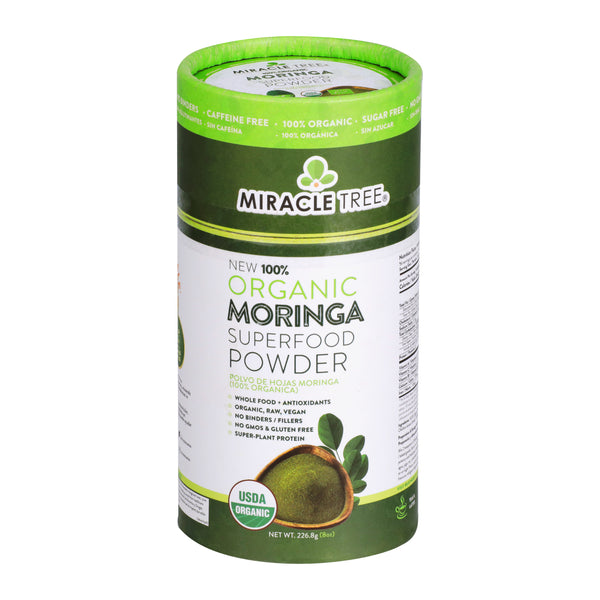
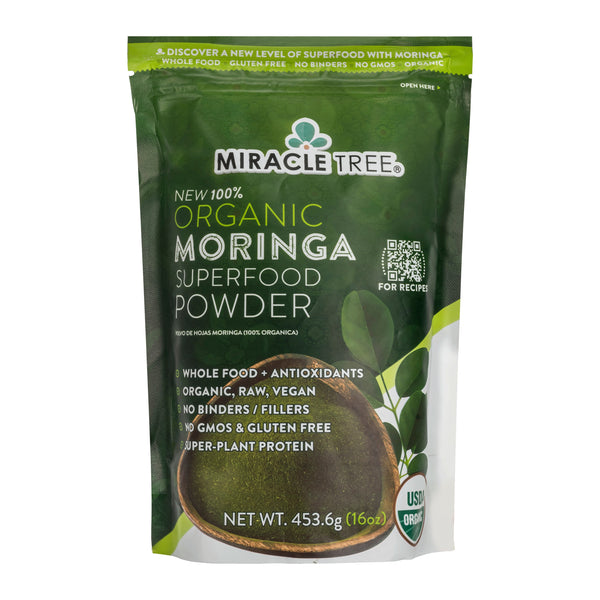
Explore our certified organic moringa products, USDA Certified Organic and sustainably sourced from Sri Lanka. New to moringa? Start with a multi-flavor bundle and find your favorite before committing to a full box.
These statements have not been evaluated by the Food and Drug Administration. This product is not intended to diagnose, treat, cure, or prevent any disease.
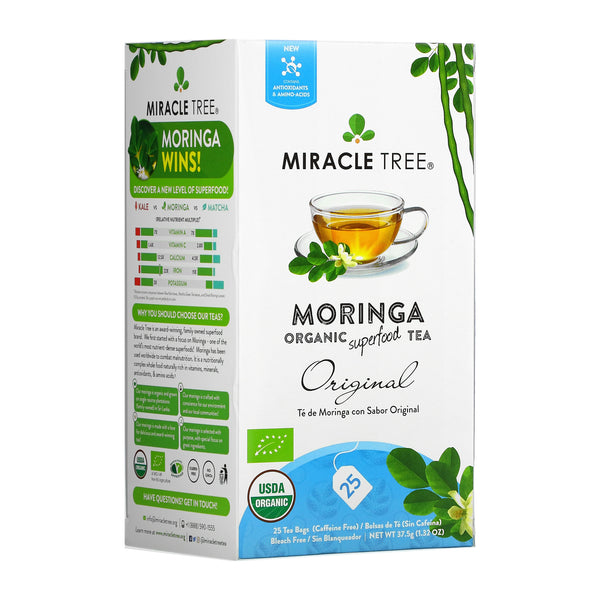
4.8 out of 5 · 375 reviews · Organic Moringa Tea - Original - Caffeine-Free Herbal TeaRead all reviews
A great value for the price. I have tried several moringa teas and this one by far is the best. Very natural and true Moringa.
This is one of the best teas i have ever tasted! Its the only tea i can drink without a sweetener. The flavor is light ,clean and fresh. Definitely would buy again.
My best friend gave me a sample of this tea to try and it was amazing! Its delicious! I ordered a package right away and I will continue to keep on hand and drink daily.